

How does the electrical conductivity of uncoated steel wire compare to other conductive materials?
Electrical conductivity is a crucial property in many industries, influencing the performance and efficiency of various applications. As a supplier of uncoated steel wire, I often encounter questions about how its electrical conductivity compares to other conductive materials. In this blog, I will delve into this topic, exploring the factors that affect electrical conductivity and comparing uncoated steel wire with other commonly used conductive materials.
Understanding Electrical Conductivity
Before we compare different conductive materials, it's essential to understand what electrical conductivity is. Electrical conductivity is a measure of a material's ability to conduct an electric current. It is the reciprocal of electrical resistivity, which is a measure of how strongly a material opposes the flow of electric current. The SI unit of electrical conductivity is siemens per meter (S/m).
The electrical conductivity of a material depends on several factors, including the number of free electrons available for conduction, the mobility of these electrons, and the temperature. Materials with a high number of free electrons and high electron mobility tend to have high electrical conductivity.
Electrical Conductivity of Uncoated Steel Wire
Uncoated steel wire is primarily made of iron, with small amounts of carbon and other elements. Iron is a moderately good conductor of electricity, but its conductivity is lower compared to some other metals. The electrical conductivity of pure iron at room temperature is approximately 1.0×10⁷ S/m. However, the conductivity of steel wire can vary depending on its composition and manufacturing process.
The presence of carbon and other alloying elements in steel can reduce its electrical conductivity. Carbon, in particular, can form carbides in the steel matrix, which can impede the flow of electrons. Additionally, the manufacturing process, such as cold drawing or heat treatment, can also affect the microstructure of the steel wire and thus its electrical conductivity.
In general, the electrical conductivity of uncoated steel wire ranges from about 1.0×10⁶ S/m to 5.0×10⁶ S/m, depending on its composition and processing. This makes it suitable for applications where moderate electrical conductivity is required, such as in electrical grounding systems, electromagnetic shielding, and some low - voltage electrical circuits.
Comparison with Other Conductive Materials
Copper
Copper is one of the most widely used conductive materials due to its excellent electrical conductivity. The electrical conductivity of pure copper at room temperature is approximately 5.96×10⁷ S/m, which is significantly higher than that of uncoated steel wire. This high conductivity makes copper ideal for applications where low resistance and high current - carrying capacity are required, such as in power transmission lines, electrical wiring in buildings, and electronic components.
Compared to uncoated steel wire, copper has a much lower resistance, which means less energy is lost as heat when an electric current flows through it. This results in higher efficiency and less power consumption in electrical systems. However, copper is more expensive than steel, which can be a limiting factor in some applications.
Aluminum
Aluminum is another commonly used conductive material. It has an electrical conductivity of approximately 3.77×10⁷ S/m at room temperature, which is lower than that of copper but still much higher than uncoated steel wire. Aluminum is lightweight and less expensive than copper, making it a popular choice for power transmission lines, especially in high - voltage applications.
In some cases, aluminum can be used as a substitute for copper in electrical wiring, although it requires larger cross - sectional areas to achieve the same current - carrying capacity due to its lower conductivity. Aluminum also has a higher coefficient of thermal expansion compared to copper, which needs to be considered in applications where temperature variations are significant.
Tin Plated Bronze Steel Wire
Tin plated bronze steel wire combines the properties of steel and bronze, with a tin coating for additional protection. Bronze is an alloy of copper and tin, and it has better corrosion resistance and mechanical properties compared to pure copper. The tin plating further enhances the wire's corrosion resistance and can also improve its solderability.
The electrical conductivity of tin plated bronze steel wire is between that of uncoated steel wire and copper. The bronze alloy provides a relatively high conductivity, while the steel core gives the wire strength and durability. This type of wire is often used in applications where both electrical conductivity and corrosion resistance are required, such as in marine environments and some electronic connectors.
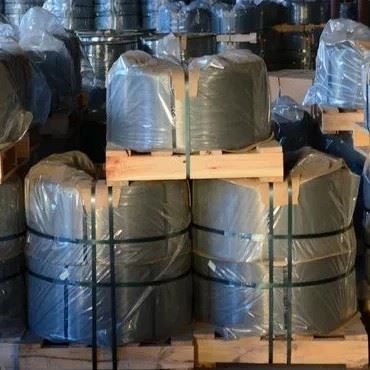
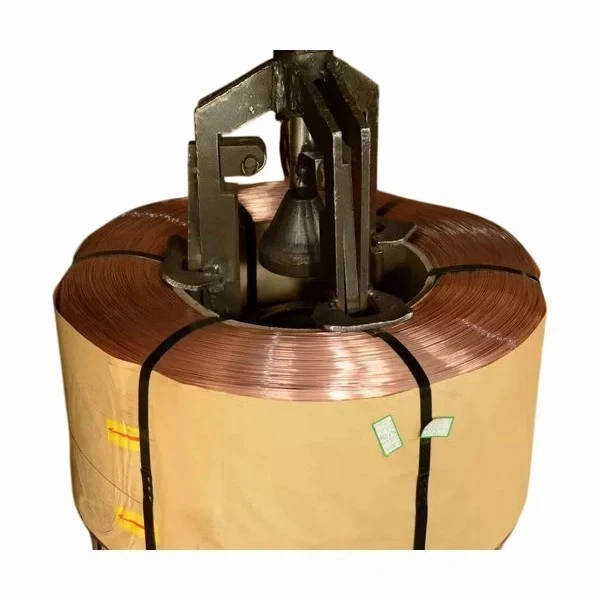
Anti Oxidation Copper Coated Steel Wire
Anti oxidation copper coated steel wire consists of a steel core with a copper coating. The copper coating provides high electrical conductivity, similar to that of pure copper, while the steel core provides strength and mechanical stability. The anti - oxidation treatment on the copper coating helps to prevent the copper from oxidizing, which can reduce its conductivity over time.
This type of wire is a cost - effective alternative to pure copper wire, especially in applications where high conductivity and strength are both required. It is commonly used in electrical grounding systems, lightning protection systems, and some telecommunications applications.
Hot Dipped Galvanized Steel Wire
Hot dipped galvanized steel wire is coated with a layer of zinc through a hot - dipping process. Zinc is a relatively good conductor of electricity, but its conductivity is lower than that of copper and aluminum. The zinc coating on the steel wire provides excellent corrosion resistance, making it suitable for outdoor and harsh environments.
The electrical conductivity of hot dipped galvanized steel wire is slightly lower than that of uncoated steel wire due to the presence of the zinc coating. However, it is still sufficient for many applications where corrosion resistance is a priority, such as in fencing, agricultural applications, and some electrical grounding systems.
Applications Based on Electrical Conductivity
The choice of conductive material depends on the specific requirements of the application. For applications where high electrical conductivity is crucial, such as power transmission and high - speed electronic circuits, copper or aluminum is the preferred choice. However, in applications where moderate conductivity, strength, and cost - effectiveness are important, uncoated steel wire or coated steel wires can be more suitable.
For example, in electrical grounding systems, uncoated steel wire or hot dipped galvanized steel wire can be used because they provide sufficient conductivity to safely dissipate electrical charges into the ground while being relatively inexpensive and durable. In electromagnetic shielding applications, uncoated steel wire can be used to create a conductive barrier that can block electromagnetic interference.
Conclusion
In conclusion, the electrical conductivity of uncoated steel wire is lower compared to some other conductive materials such as copper and aluminum. However, it has its own advantages, including moderate conductivity, strength, and cost - effectiveness. Depending on the specific application requirements, uncoated steel wire or other coated steel wires like Tin Plated Bronze Steel Wire, Anti Oxidation Copper Coated Steel Wire, and Hot Dipped Galvanized Steel Wire can be excellent choices.
If you are in need of conductive materials for your projects and are considering uncoated steel wire or any of our coated steel wire products, please feel free to contact us for more information and to discuss your specific requirements. We are committed to providing high - quality products and professional service to meet your needs.
References
- Callister, W. D., & Rethwisch, D. G. (2010). Materials Science and Engineering: An Introduction. Wiley.
- Ashby, M. F., & Jones, D. R. H. (2005). Engineering Materials 1: An Introduction to Properties, Applications and Design. Butterworth - Heinemann.
- Metals Handbook: Properties and Selection: Irons and Steels. ASM International.