

How does the quality of steel affect the performance of steel wire?
As a steel wire supplier, I've seen firsthand how the quality of steel can make or break the performance of steel wire. It's not just about having a wire that looks the part; it's about ensuring it can handle the demands of its intended use, whether that's in a high - stress mechanical application or a simple household item.
Let's start with the basics. The quality of steel is determined by a variety of factors, including its chemical composition, the manufacturing process, and the level of impurities. Chemical composition is key. For example, carbon is a critical element in steel. A higher carbon content generally means greater strength and hardness. But there's a trade - off. Too much carbon can make the steel brittle, which is a big no - no when it comes to steel wire. If you're using the wire for something like a spring, you need it to be flexible enough to stretch and compress repeatedly without breaking. That's why we carefully control the carbon levels in our Cold Drawn Spring Wire Rods.
The manufacturing process also plays a huge role. There are different ways to make steel wire, and each method can impact its quality. Cold drawing, for instance, is a common process where the steel is pulled through a die to reduce its diameter. This process not only gives the wire a more precise size but also improves its surface finish and mechanical properties. When we cold - draw our wire, we're able to enhance its strength and ductility. Ductility is important because it allows the wire to be bent or shaped without cracking. It's especially crucial for applications like Steel Wire for Brush, where the wire needs to be formed into the right shape to effectively clean or scrub.
Now, let's talk about impurities. Even the smallest amount of impurities in steel can have a significant impact on the performance of steel wire. Sulfur and phosphorus are two common impurities. Sulfur can cause the steel to become brittle at high temperatures, while phosphorus can reduce its ductility. We use advanced purification techniques to minimize these impurities in our steel. By doing so, we ensure that our steel wire has consistent quality and performance.

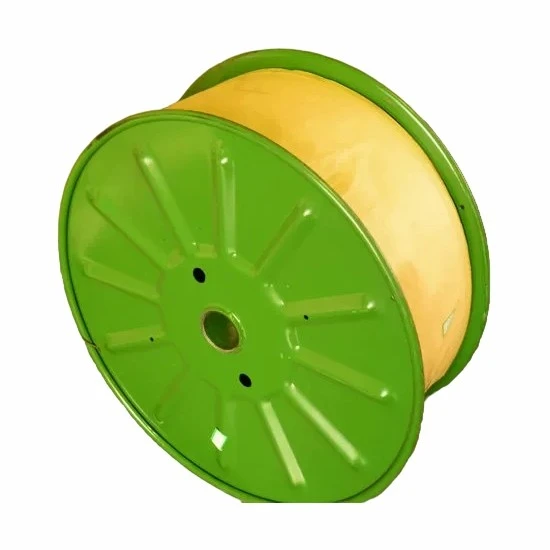
When it comes to the performance of steel wire, strength is often one of the most important factors. High - quality steel wire can withstand greater stress and tension without breaking. This is essential in applications where the wire is under a lot of load, such as in suspension bridges or elevator cables. Our steel wire is engineered to have excellent tensile strength, which means it can handle heavy weights without snapping.
Another aspect of performance is corrosion resistance. Steel wire that's exposed to the elements or harsh chemicals can rust and deteriorate over time. Low - quality steel is more prone to corrosion, which can weaken the wire and reduce its lifespan. We use special coatings and alloys to improve the corrosion resistance of our steel wire. This is particularly important for outdoor applications or in industrial settings where the wire may come into contact with corrosive substances. For example, our Steel Cut Wire Shot is designed to resist corrosion, making it suitable for use in abrasive blasting operations.
Flexibility is also a key performance characteristic. In some applications, like in jewelry - making or in the production of fine - gauge wire products, the wire needs to be flexible enough to be easily manipulated. High - quality steel wire can be bent, twisted, and coiled without losing its integrity. We carefully select the steel and control the manufacturing process to ensure that our wire has the right level of flexibility for different applications.
Fatigue resistance is another factor that's often overlooked but is crucial for long - term performance. When steel wire is subjected to repeated stress, such as in a vibrating machine or a moving part, it can develop fatigue cracks over time. These cracks can eventually lead to failure. High - quality steel wire has better fatigue resistance, which means it can withstand more cycles of stress without cracking. This is especially important in applications where the wire is in constant use, like in automotive engines or in industrial machinery.
As a steel wire supplier, we understand that every customer has different requirements. That's why we offer a wide range of steel wire products with varying qualities and performance characteristics. Whether you need a high - strength wire for a heavy - duty application or a flexible wire for a delicate project, we've got you covered.
If you're in the market for steel wire, don't just settle for any product. Consider the quality of the steel and how it will affect the performance of the wire. The right steel wire can make your project more reliable, durable, and cost - effective in the long run.
If you're interested in learning more about our steel wire products or discussing your specific needs, we'd love to hear from you. Contact us today to start a conversation about how we can provide you with the best steel wire solutions for your business.
References
- "Steel: Processing, Structure, and Performance" - A comprehensive book on the properties and manufacturing of steel.
- Industry reports on steel wire applications and quality standards.