

How is the quality of patented steel wire controlled during production?
As a supplier of Patented Steel Wire, ensuring the high - quality of our products during the production process is of utmost importance. Patented steel wire is widely used in various industries such as automotive, construction, and manufacturing due to its excellent strength, ductility, and fatigue resistance. In this blog, I will share how we control the quality of patented steel wire throughout the production cycle.
Raw Material Selection
The first and most crucial step in producing high - quality patented steel wire is the selection of raw materials. We source our steel from reliable and reputable steel mills. These mills are required to provide detailed certificates of analysis, which include information about the chemical composition of the steel. The chemical composition of the steel has a significant impact on the final properties of the patented steel wire.
For example, carbon content affects the strength and hardness of the wire. Higher carbon content generally leads to greater strength but may reduce ductility. We carefully select the steel with the appropriate carbon content based on the specific requirements of our customers. Other elements such as manganese, silicon, and sulfur also play important roles. Manganese can improve the hardenability of the steel, while sulfur should be kept at a low level as it can cause brittleness.
Wire Rod Hot - Rolling
Once the raw steel is selected, it is processed into wire rods through hot - rolling. During this process, the steel billets are heated to a high temperature and passed through a series of rolling mills to reduce their diameter. The temperature control during hot - rolling is critical. If the temperature is too high, the grain size of the steel may become too large, which can lead to poor mechanical properties. On the other hand, if the temperature is too low, the steel may not be malleable enough, resulting in surface defects or internal cracks.
We use advanced temperature sensors and control systems to monitor and adjust the temperature during hot - rolling. Additionally, the speed of the rolling mills is also carefully regulated to ensure a uniform deformation of the wire rod. This helps to achieve a consistent cross - section and mechanical properties along the length of the wire rod.
Patenting Process
The patenting process is a key step in the production of patented steel wire. It involves heating the wire rod to a specific austenitizing temperature and then rapidly cooling it in a lead or salt bath to transform the austenite into fine - grained pearlite. This microstructure gives the wire its high strength and good ductility.
The temperature and time of austenitizing are precisely controlled. We use high - precision furnaces with accurate temperature sensors to ensure that the wire rod reaches the optimal austenitizing temperature. The cooling rate in the quenching bath is also carefully adjusted. A too - fast cooling rate may result in the formation of martensite, which is hard and brittle, while a too - slow cooling rate may lead to a coarse - grained pearlite structure with reduced strength.
Surface Treatment
After the patenting process, the steel wire may undergo surface treatment to improve its corrosion resistance and lubrication properties. One common surface treatment is Phosphate Coating Steel Wire. The phosphate coating forms a thin, porous layer on the surface of the wire, which can provide a good base for subsequent lubrication during cold drawing.
The phosphate coating process involves cleaning the wire to remove any impurities, followed by immersion in a phosphate solution. The composition and temperature of the phosphate solution are carefully controlled to ensure a uniform and well - adherent coating. Another surface treatment option is oil coating, which can further enhance the corrosion resistance and lubrication of the wire.
Cold Drawing
Cold drawing is the process of reducing the diameter of the patented steel wire by pulling it through a series of dies. This process further refines the microstructure of the wire and increases its strength. During cold drawing, the reduction ratio (the ratio of the initial cross - sectional area to the final cross - sectional area) is an important parameter. A too - large reduction ratio in a single pass can cause excessive work hardening, which may lead to wire breakage or poor ductility.
We carefully plan the cold - drawing passes and select the appropriate reduction ratios for each pass. The lubrication during cold drawing is also crucial. A good lubricant can reduce friction between the wire and the die, prevent surface damage, and improve the drawing efficiency. We use high - quality lubricants and ensure that they are evenly applied to the wire surface.
Quality Inspection
Throughout the production process, we conduct comprehensive quality inspections at multiple stages. In the raw material stage, we perform chemical analysis and mechanical property tests on the steel samples. For the wire rods after hot - rolling, we check the diameter, surface quality, and mechanical properties.
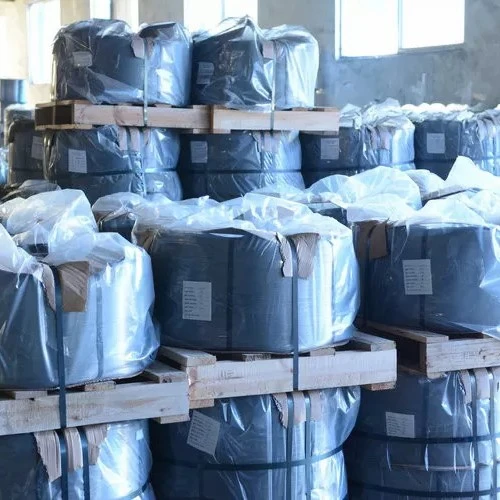
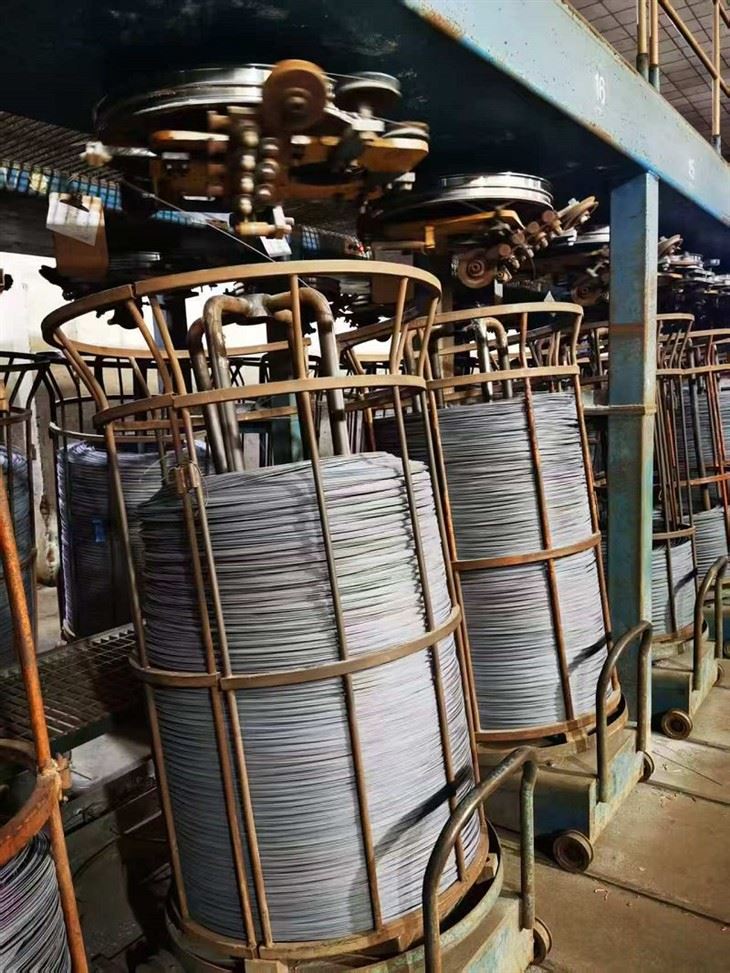
During the patenting process, we use metallographic analysis to examine the microstructure of the wire. After surface treatment and cold drawing, we inspect the wire diameter, surface finish, and mechanical properties such as tensile strength, yield strength, and elongation. We also use non - destructive testing methods such as ultrasonic testing and magnetic particle testing to detect any internal defects in the wire.
The inspection results are compared with the strict quality standards we have set. Any wire that does not meet the standards is either re - processed or discarded. This ensures that only high - quality patented steel wire is delivered to our customers.
Specialized Applications and Customization
We understand that different customers have different requirements for patented steel wire. For example, the Cold Drawn Steel Wire used in the automotive industry may need to have higher fatigue resistance, while the wire used in construction may require better corrosion resistance.
We offer customized solutions to meet these specific needs. Our technical team works closely with the customers to understand their requirements and develop appropriate production processes. We can adjust the chemical composition, heat - treatment parameters, and surface treatment methods to produce wire with the desired properties.
Continuous Improvement
We are committed to continuous improvement in our production process and quality control. We invest in research and development to explore new technologies and materials that can further enhance the quality of our patented steel wire. For example, we are constantly looking for ways to improve the efficiency of the patenting process and reduce the environmental impact of our production.
We also collect feedback from our customers and use it to identify areas for improvement. By continuously learning and adapting, we can better meet the changing needs of the market and provide our customers with even higher - quality products.
Conclusion
Controlling the quality of patented steel wire during production is a complex and systematic process that involves multiple steps from raw material selection to the final product inspection. At our company, we have established a strict quality control system that ensures the high - quality and consistency of our patented steel wire.
If you are in need of high - quality Patented Steel Wire, whether it is for general applications or specialized requirements, we are here to provide you with the best solutions. Our team of experts is ready to discuss your needs and offer professional advice. Contact us to start a procurement negotiation and experience the excellence of our products.
References
- ASM Handbook, Volume 1: Properties and Selection: Irons, Steels, and High - Performance Alloys. ASM International.
- Metals Handbook: Heat Treating, Volume 4. ASM International.
- "Steel Wire Technology" by George E. Totten and G. Edgar Totten.