

What is the elasticity of patented steel wire?
What is the elasticity of patented steel wire?
As a seasoned supplier of patented steel wire, I've witnessed firsthand the crucial role that elasticity plays in the performance and applications of this remarkable material. In this blog post, I'll delve into the concept of elasticity in patented steel wire, exploring its definition, factors influencing it, and its significance in various industries.
Elasticity, in the context of materials science, refers to the ability of a material to deform under stress and return to its original shape once the stress is removed. This property is quantified by the elastic modulus, also known as Young's modulus, which measures the stiffness of a material. For patented steel wire, elasticity is a fundamental characteristic that determines its behavior under load and its suitability for different applications.
The elastic modulus of patented steel wire typically ranges from 190 to 210 GPa (gigapascals), depending on factors such as the chemical composition, heat treatment, and manufacturing process. This high elastic modulus indicates that patented steel wire is relatively stiff and resistant to deformation, making it ideal for applications where strength and dimensional stability are essential.
One of the key factors influencing the elasticity of patented steel wire is its chemical composition. Steel is an alloy primarily composed of iron and carbon, with small amounts of other elements such as manganese, silicon, and sulfur. The addition of these alloying elements can significantly affect the mechanical properties of the steel, including its elasticity. For example, increasing the carbon content can increase the strength and hardness of the steel, but it can also reduce its ductility and elasticity. On the other hand, adding elements such as chromium, nickel, and molybdenum can improve the corrosion resistance and toughness of the steel, while maintaining its elasticity.
Another important factor influencing the elasticity of patented steel wire is its heat treatment. Heat treatment is a process that involves heating and cooling the steel to alter its microstructure and mechanical properties. There are several types of heat treatment processes commonly used for patented steel wire, including annealing, quenching, and tempering. Annealing is a process that involves heating the steel to a specific temperature and then cooling it slowly to relieve internal stresses and improve its ductility and elasticity. Quenching is a process that involves rapidly cooling the steel from a high temperature to harden it and increase its strength. Tempering is a process that involves reheating the quenched steel to a lower temperature to reduce its brittleness and improve its toughness and elasticity.
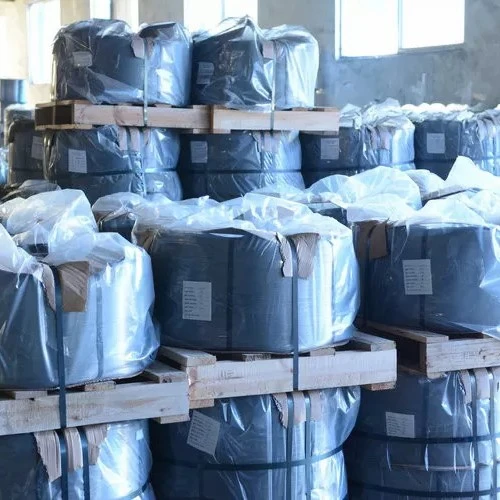
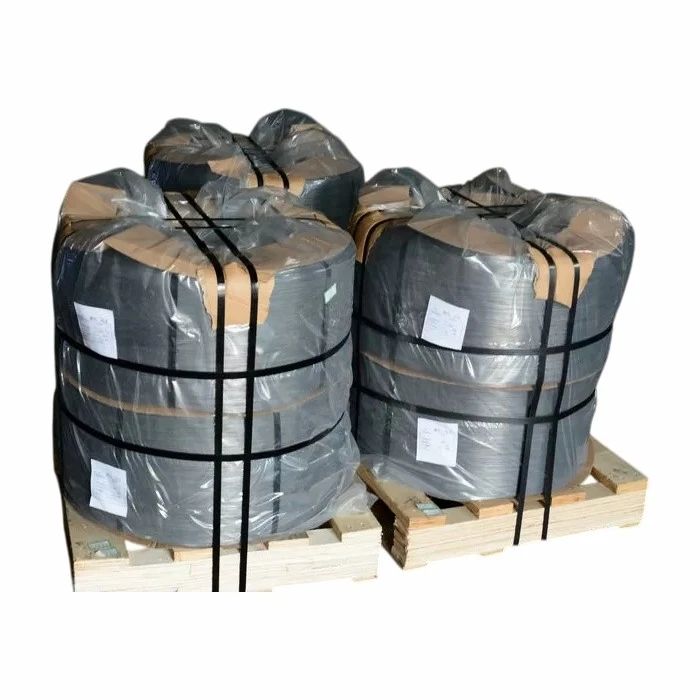
The manufacturing process also plays a crucial role in determining the elasticity of patented steel wire. Patented steel wire is typically produced by a process called patenting, which involves heating the steel wire to a specific temperature and then cooling it rapidly in a lead or salt bath to form a fine-grained microstructure. This process can significantly improve the strength and elasticity of the steel wire. After patenting, the steel wire is usually cold drawn to reduce its diameter and improve its surface finish. Cold drawing can further increase the strength and elasticity of the steel wire by aligning the grains in the direction of drawing.
The elasticity of patented steel wire makes it suitable for a wide range of applications in various industries. In the automotive industry, patented steel wire is used in the manufacture of springs, suspension systems, and tire reinforcements. The high elasticity of the steel wire allows these components to absorb and distribute forces effectively, providing a smooth and comfortable ride. In the construction industry, patented steel wire is used in the manufacture of concrete reinforcement bars, prestressed concrete tendons, and wire ropes. The high strength and elasticity of the steel wire ensure the structural integrity and durability of these structures. In the electrical industry, patented steel wire is used in the manufacture of electrical conductors, transformers, and motors. The high conductivity and elasticity of the steel wire allow for efficient transmission of electrical energy.
In addition to its high elasticity, patented steel wire also offers several other advantages, such as high strength, good corrosion resistance, and excellent fatigue resistance. These properties make it a preferred choice for many applications where reliability and performance are critical.
If you're in the market for high-quality patented steel wire, I invite you to explore our extensive range of products. We offer a variety of Cold Drawn Steel Wire, Phosphate Coating Steel Wire, and Black Annealed Tie Steel Wire, all of which are manufactured to the highest standards of quality and performance. Our team of experts is dedicated to providing you with the best possible service and support, and we're always happy to answer any questions you may have about our products or applications.
In conclusion, the elasticity of patented steel wire is a fundamental property that determines its behavior under load and its suitability for different applications. By understanding the factors influencing the elasticity of patented steel wire and its advantages, you can make an informed decision when selecting the right steel wire for your needs. If you have any questions or would like to learn more about our patented steel wire products, please don't hesitate to contact us. We look forward to working with you.
References
- Callister, W. D., & Rethwisch, D. G. (2011). Materials Science and Engineering: An Introduction. Wiley.
- Ashby, M. F., & Jones, D. R. H. (2005). Engineering Materials 1: An Introduction to Properties, Applications and Design. Butterworth-Heinemann.
- Dieter, G. E. (1986). Mechanical Metallurgy. McGraw-Hill.