

How to anneal alloy steel wire?
Hey there! I'm a supplier of Alloy Steel Wire, and today I wanna share with you how to anneal alloy steel wire. It's a super important process that can really change the properties of the wire, making it more useful in various applications.
Why Anneal Alloy Steel Wire?
First off, let's talk about why we even bother annealing alloy steel wire. Annealing is a heat treatment process that helps to relieve internal stresses in the wire. When alloy steel wire is manufactured, especially through processes like cold drawing (you can check out Cold Drawn Stainless Steel Wire for more on that), a lot of stress gets built up inside the wire. This stress can make the wire brittle and prone to breaking.
By annealing, we can make the wire more ductile, which means it can be bent and shaped without cracking. It also improves the wire's machinability, so it's easier to work with when you're making things like springs, fasteners, or other components. Plus, annealing can help to homogenize the microstructure of the alloy steel, which can enhance its overall performance and durability.
The Annealing Process
Now, let's dive into the actual steps of annealing alloy steel wire. There are basically three main stages: heating, soaking, and cooling.
Heating
The first step is to heat the alloy steel wire to a specific temperature. The exact temperature depends on the type of alloy steel you're working with. Different alloying elements in the steel have different effects on the annealing temperature. For example, steels with high amounts of chromium or nickel might require higher annealing temperatures.
You can use different types of furnaces for heating, like electric furnaces or gas-fired furnaces. It's important to heat the wire slowly and evenly to avoid thermal shock, which can cause cracking. A good rule of thumb is to heat the wire at a rate of about 100 - 200 degrees Celsius per hour until you reach the desired annealing temperature.
Soaking
Once the wire reaches the annealing temperature, you need to hold it at that temperature for a certain period of time. This is called the soaking stage. The soaking time is also dependent on the type of alloy steel and the diameter of the wire. Thicker wires usually require longer soaking times.
During the soaking stage, the internal stresses in the wire are gradually relieved, and the microstructure of the steel starts to change. The atoms in the steel have time to rearrange themselves into a more stable and uniform structure. This helps to improve the ductility and machinability of the wire.
Cooling
After the soaking stage, it's time to cool the wire down. The cooling rate is crucial because it can affect the final properties of the annealed wire. There are two main ways to cool the wire: slow cooling and fast cooling.
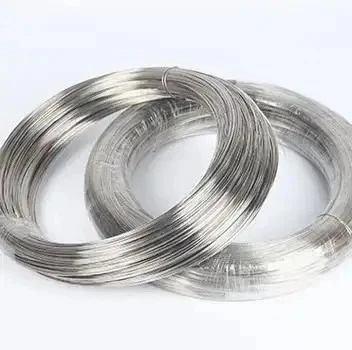
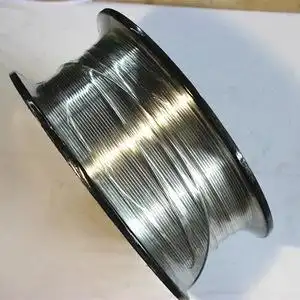
Slow cooling, also known as furnace cooling, involves turning off the furnace and letting the wire cool down inside the furnace along with it. This is the most common method for annealing alloy steel wire because it allows for a very slow and controlled cooling rate. Slow cooling helps to ensure that the wire remains ductile and that the internal stresses are fully relieved.
Fast cooling, on the other hand, is sometimes used for specific types of alloy steels to achieve certain properties. For example, quenching the wire in water or oil can make the steel harder and stronger. However, fast cooling can also introduce new internal stresses and make the wire more brittle, so it needs to be done carefully.
Tips for a Successful Annealing Process
Here are some tips to make sure your annealing process goes smoothly:
- Clean the Wire: Before annealing, make sure the alloy steel wire is clean. Any dirt, grease, or oxide on the surface of the wire can affect the annealing process and the final quality of the wire. You can use a degreaser or a pickling solution to clean the wire.
- Monitor the Temperature: Use a reliable temperature sensor to monitor the temperature of the wire during the heating and soaking stages. This will help you ensure that you're reaching the correct annealing temperature and holding it for the right amount of time.
- Control the Cooling Rate: As I mentioned earlier, the cooling rate is very important. Make sure you have a plan for how you're going to cool the wire down. If you're using slow cooling, make sure the furnace door is closed tightly to prevent any drafts that could cause uneven cooling.
- Inspect the Wire: After annealing, inspect the wire for any signs of cracking, warping, or other defects. You can use non-destructive testing methods like ultrasonic testing or magnetic particle testing to check the internal quality of the wire.
Applications of Annealed Alloy Steel Wire
Annealed alloy steel wire has a wide range of applications. Here are just a few examples:
- Spring Manufacturing: Annealed alloy steel wire is commonly used to make springs because of its high ductility and good elasticity. Springs made from annealed wire can withstand repeated bending and stretching without breaking.
- Fasteners: Screws, bolts, and nuts made from annealed alloy steel wire are stronger and more durable. The annealing process helps to improve the thread-forming properties of the wire, making it easier to produce high-quality fasteners.
- Wire Mesh: Annealed alloy steel wire is also used to make wire mesh for applications like fencing, filtration, and reinforcement. The annealed wire is more flexible and easier to weave into different mesh patterns.
Contact for Purchase and Discussion
If you're interested in Alloy Steel Wire or have any questions about the annealing process, feel free to reach out. Whether you're a manufacturer looking for high-quality wire for your products or just curious about the science behind annealing, I'm here to help. Let's start a conversation and see how we can work together to meet your needs.
References
- ASM Handbook, Volume 4: Heat Treating
- Metals Handbook Desk Edition, Third Edition
- "Principles of Heat Treatment of Steels" by George E. Totten and David Scott MacKenzie