

Can flexible duct wire be used in residential heating systems?
Can flexible duct wire be used in residential heating systems? This is a question that often comes up among homeowners, HVAC contractors, and those involved in the residential heating industry. As a supplier of Flexible Duct Wire, I'd like to delve into this topic and provide some in - depth insights.
Understanding Flexible Duct Wire
Flexible duct wire, as the name suggests, is a type of wire specifically designed for use in flexible ducts. It provides the necessary structural support to keep the duct in shape while allowing it to bend and flex as needed. The wire is typically made of high - quality steel, which offers excellent strength and durability.

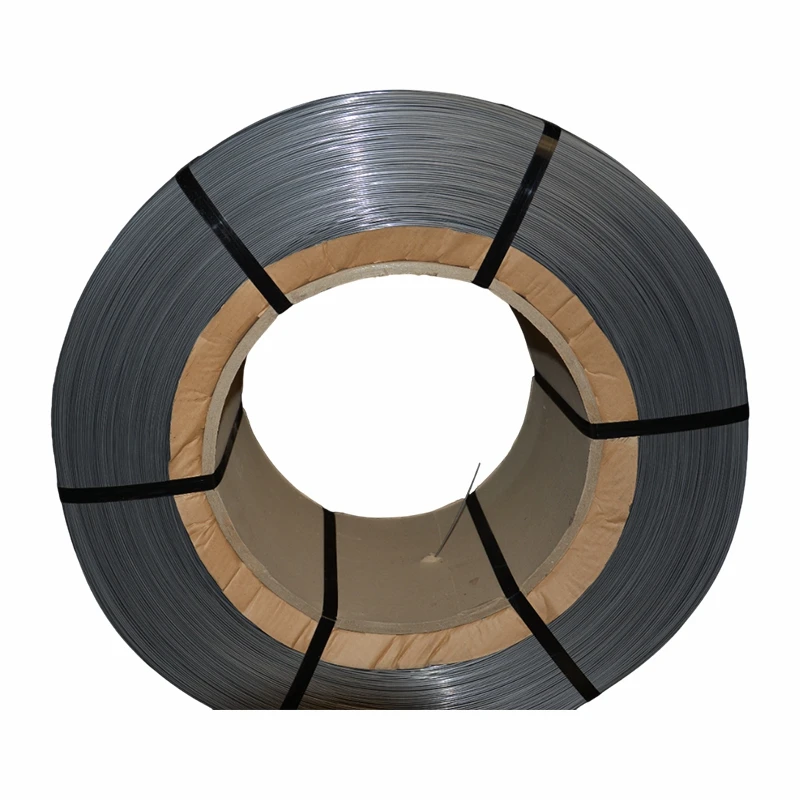
One of the key features of flexible duct wire is its malleability. It can be easily bent and shaped during the installation process, making it suitable for various duct configurations. This adaptability is crucial in residential heating systems, where ducts often need to navigate around obstacles such as walls, floors, and furniture.
The quality of the wire also matters significantly. Our Flexible Duct Wire is manufactured using advanced techniques to ensure consistent diameter, smooth surface finish, and high tensile strength. These properties contribute to the long - term performance of the wire in the duct system. You can learn more about our Flexible Duct Wire by visiting Flexible Duct Wire.
Suitability for Residential Heating Systems
Temperature Resistance
Residential heating systems can generate high temperatures. The flexible duct wire must be able to withstand these elevated temperatures without losing its structural integrity. Our flexible duct wire is made from materials that have excellent heat resistance. It can handle the normal operating temperatures of most residential heating systems, which typically range from 100°F to 200°F (37.8°C to 93.3°C). This ensures that the wire will not deform or break down over time due to heat exposure.
Corrosion Resistance
In a residential environment, the duct system may be exposed to moisture, which can lead to corrosion. Corroded wire can weaken the duct structure and reduce its lifespan. Our flexible duct wire is treated with anti - corrosion coatings or made from corrosion - resistant materials. This protection helps to prevent rust and other forms of corrosion, ensuring that the wire remains strong and reliable in the presence of moisture.
Flexibility and Longevity
The ability of the wire to flex repeatedly without breaking is essential in a residential heating system. Ducts may need to be adjusted or moved during installation or maintenance. Our flexible duct wire has high flexibility, allowing it to bend and twist without losing its strength. This flexibility, combined with its durability, ensures a long service life for the duct system.
Comparison with Other Types of Wires
Cold Drawn Spring Wire Rods
Cold Drawn Spring Wire Rods are another type of wire that may come to mind when considering duct support. However, they are typically designed for applications where high springiness and elasticity are required, such as in springs. While they have good strength, they may not be as well - suited for the specific needs of flexible ducts in residential heating systems. Cold Drawn Spring Wire Rods may be stiffer and less flexible than our flexible duct wire, which can make them more difficult to install in duct systems. To learn more about Cold Drawn Spring Wire Rods, visit Cold Drawn Spring Wire Rods.
Steel Wire for Optical Fibre Cable
Steel Wire for Optical Fibre Cable is designed to protect and support optical fibers. It has different requirements compared to flexible duct wire. This type of wire is often optimized for lightweight and low - interference characteristics to ensure the proper functioning of the optical fibers. In contrast, flexible duct wire needs to provide robust structural support for the duct. Therefore, using Steel Wire for Optical Fibre Cable in a residential heating duct system is not recommended. You can find more information about Steel Wire for Optical Fibre Cable at Steel Wire for Optical Fibre Cable.
Installation Considerations
When using flexible duct wire in a residential heating system, proper installation is crucial. Here are some key points to keep in mind:
- Proper Sizing: Select the appropriate size of the flexible duct wire based on the diameter and design of the duct. Using a wire that is too thin may not provide sufficient support, while a wire that is too thick can make the duct difficult to bend and install.
- Secure Attachment: Ensure that the wire is securely attached to the duct. Loose wire can cause the duct to sag or collapse, which can affect the airflow in the heating system.
- Avoiding Sharp Bends: Although the wire is flexible, sharp bends should be avoided. Sharp bends can weaken the wire and reduce its lifespan. Instead, make smooth, gradual bends during installation.
Advantages of Using Our Flexible Duct Wire
Cost - Effectiveness
Our flexible duct wire offers a cost - effective solution for residential heating systems. It is competitively priced without compromising on quality. The long service life of the wire also means fewer replacements and lower maintenance costs over time.
Customization
We understand that different residential heating systems may have unique requirements. That's why we offer customization options for our flexible duct wire. We can provide wires in different diameters, lengths, and coatings to meet your specific needs.
Technical Support
As a supplier, we not only provide high - quality products but also offer technical support. Our team of experts can assist you with any questions you may have regarding the selection, installation, or maintenance of our flexible duct wire in your residential heating system.
Conclusion
In conclusion, flexible duct wire is indeed a suitable choice for residential heating systems. Its temperature resistance, corrosion resistance, flexibility, and longevity make it an ideal material for providing structural support to the duct system. When compared to other types of wires, it offers distinct advantages for this specific application.
If you are in the process of installing or upgrading a residential heating system and are considering using flexible duct wire, we invite you to get in touch with us. Our team is ready to discuss your requirements and provide you with the best - suited flexible duct wire solutions. We look forward to the opportunity to work with you and contribute to the efficient and reliable operation of your residential heating system.
References
- "HVAC Duct Design and Installation Handbook"
- "Steel Wire Manufacturing and Applications"
- Industry standards and guidelines for residential heating systems