

How to carry out proper pretreatment for traditional phosphating?
Hey there! As a supplier of traditional phosphating products, I've seen firsthand the importance of proper pretreatment in the phosphating process. In this blog, I'm gonna share some tips on how to carry out proper pretreatment for traditional phosphating.
Why Pretreatment Matters
Before we dive into the how - to, let's talk about why pretreatment is so crucial. Traditional phosphating is a process that forms a phosphate coating on metal surfaces, which enhances corrosion resistance, paint adhesion, and lubrication properties. However, if the metal surface isn't properly pre - treated, the phosphate coating won't adhere well, and its performance will be compromised.
Step 1: Cleaning the Metal Surface
The first step in pretreatment is cleaning the metal surface. Metals usually have contaminants like oil, grease, dirt, and rust on their surfaces. These contaminants can prevent the phosphate coating from forming evenly.
Degreasing
Degreasing is the process of removing oil and grease from the metal surface. There are several ways to do this. One common method is using a degreasing agent. You can soak the metal parts in a degreasing solution or spray the solution onto the surface. Make sure to follow the manufacturer's instructions regarding the concentration of the degreasing agent and the soaking time.
For example, if you're dealing with heavily - oiled parts, you might need a stronger degreasing solution and a longer soaking time. After degreasing, rinse the parts thoroughly with water to remove any remaining degreasing agent.
Rust Removal
Rust can also be a big problem. You can use mechanical methods like sandblasting or wire brushing to remove rust. Sandblasting is a very effective way to remove rust and scale from the metal surface. It works by propelling abrasive particles at high speed onto the metal surface. However, it can be a bit messy.
Wire brushing is a more manual method. You can use a wire brush to scrub the rust off the metal. Chemical rust removers are also an option. They work by dissolving the rust. But be careful when using chemical rust removers, as they can be corrosive to the metal if left on for too long.
Step 2: Surface Activation
After cleaning the metal surface, the next step is surface activation. Surface activation helps the phosphate coating to form more quickly and evenly on the metal surface.
One common way to activate the surface is by using a surface - activating agent. These agents usually contain chemicals that react with the metal surface to create a more receptive surface for the phosphate coating. You can apply the surface - activating agent by immersion or spraying.
Step 3: Selecting the Right Phosphating Agent
As a traditional phosphating supplier, I know that choosing the right phosphating agent is super important. Different types of metals and applications require different phosphating agents.
Immersion Line Phosphatizing Agents
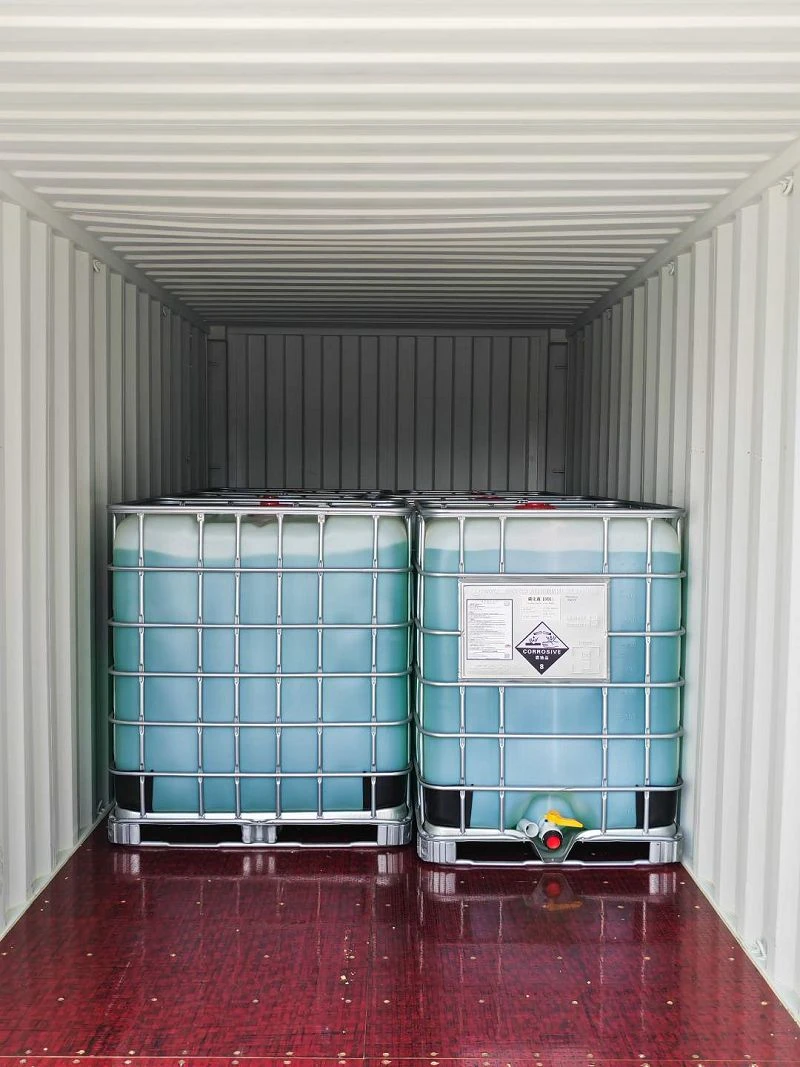
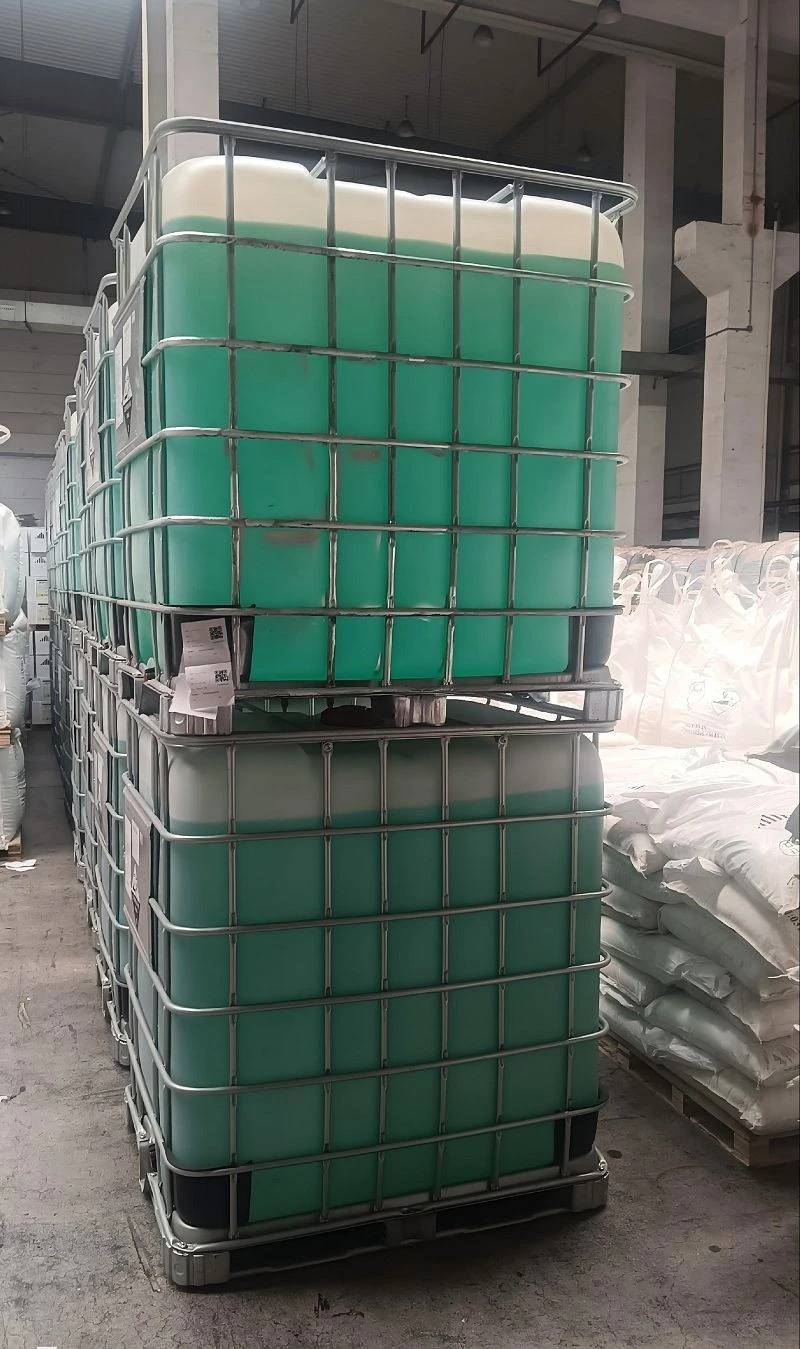
If you're using an immersion line for the phosphating process, you'll need immersion line phosphatizing agents. These agents are designed to work well in immersion tanks. They can provide a uniform phosphate coating on the metal surface. You can find more information about immersion line phosphatizing agents Immersion Line Phosphatizing Agents.
Phosphatizing Agents for Continuous Line
For continuous - line phosphating processes, you need phosphatizing agents that can keep up with the high - speed production. These agents are formulated to provide a consistent phosphate coating even under continuous operation. Check out Phosphatizing Agents for Continuous Line for more details.
Cold - drawn Steel Phosphatizing Agents
If you're dealing with cold - drawn steel, you'll need special cold - drawn steel phosphatizing agents. These agents are designed to meet the specific requirements of cold - drawn steel, such as its smooth surface and high strength. You can learn more about them at Cold - drawn Steel Phosphatizing Agents.
Step 4: Controlling the Phosphating Process Parameters
Once you've selected the right phosphating agent, you need to control the process parameters carefully.
Temperature
The temperature of the phosphating solution is very important. Generally, a higher temperature can speed up the phosphating reaction, but it can also cause the phosphate coating to be too thick or uneven. On the other hand, a lower temperature may result in a thinner and less - adherent coating. You need to find the optimal temperature range for your specific phosphating agent and metal type.
Time
The time that the metal parts are immersed in the phosphating solution also affects the quality of the phosphate coating. If the immersion time is too short, the coating may be incomplete. If it's too long, the coating may become too thick and brittle.
Concentration
The concentration of the phosphating agent in the solution is another crucial parameter. A higher concentration can lead to a thicker coating, but it can also increase the cost and may cause environmental problems. You need to maintain the proper concentration of the phosphating agent according to the manufacturer's recommendations.
Step 5: Post - treatment
After the phosphating process, post - treatment is necessary to improve the performance of the phosphate coating.
Rinsing
Rinse the phosphated parts thoroughly with water to remove any remaining phosphating solution. This can prevent the formation of white rust and improve the corrosion resistance of the coating.
Drying
Dry the parts after rinsing. You can use hot air drying or natural drying methods. Make sure the parts are completely dry before further processing or storage.
Quality Control
Throughout the pretreatment and phosphating process, quality control is essential. You can use various methods to check the quality of the phosphate coating, such as visual inspection, adhesion testing, and corrosion resistance testing.
Visual inspection can help you detect any obvious defects like uneven coating, blisters, or pinholes. Adhesion testing can be done by using a tape test. If the coating peels off easily, it means the adhesion is poor. Corrosion resistance testing can be carried out by exposing the phosphated parts to a corrosive environment for a certain period and then checking for signs of corrosion.
Conclusion
Proper pretreatment is the key to a successful traditional phosphating process. By following these steps, you can ensure that your metal parts get a high - quality phosphate coating. As a supplier of traditional phosphating products, I'm here to help you with all your phosphating needs. Whether you need advice on pretreatment methods or the right phosphating agents, don't hesitate to reach out for a purchase negotiation.
References
- "Metal Finishing Guidebook"
- "Handbook of Metal Pretreatment"
- Industry - specific technical papers on traditional phosphating processes