

What are the applications of alloy steel wire in the textile industry?
Alloy steel wire is a versatile and crucial material in various industries, and the textile industry is no exception. As a supplier of Alloy Steel Wire, I've seen firsthand how this remarkable product is used in textile manufacturing. In this blog post, I'll explore the different applications of alloy steel wire in the textile industry and why it's such a popular choice.
Loom Parts and Machinery
One of the primary applications of alloy steel wire in the textile industry is in the manufacturing of loom parts and machinery. Looms are the heart of textile production, and they rely on a variety of components made from alloy steel wire to function properly. For example, heddles, which are used to guide the warp threads in a loom, are often made from high-quality alloy steel wire. These heddles need to be strong, durable, and resistant to wear and tear, as they are constantly in contact with the threads during the weaving process.
Alloy steel wire is also used to make reeds, which are another essential part of a loom. Reeds are used to beat the weft threads into place and create a tight, even weave. They need to be rigid and precise to ensure the quality of the finished fabric. Alloy steel wire provides the necessary strength and stiffness for reeds, allowing them to withstand the high pressures and forces involved in the weaving process.
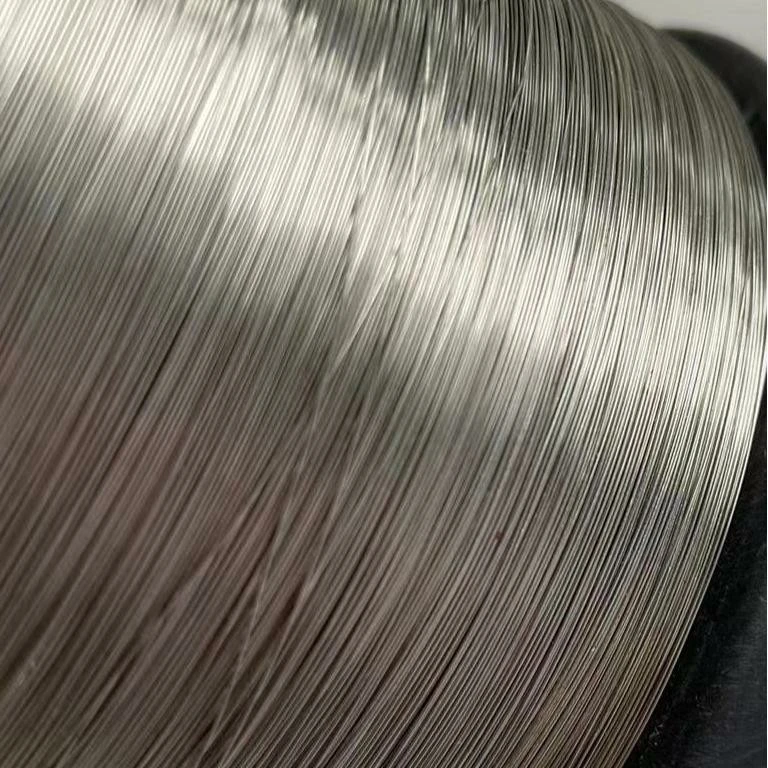
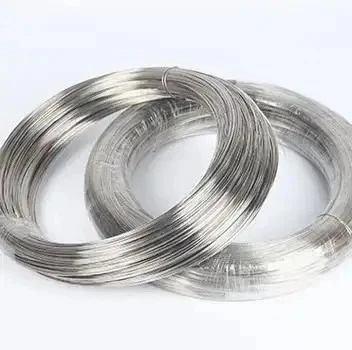
In addition to heddles and reeds, alloy steel wire is used in other loom parts such as shuttles, bobbins, and needles. These components need to be lightweight, yet strong enough to handle the continuous movement and friction associated with textile production. Alloy steel wire offers the perfect combination of strength and weight, making it an ideal material for these applications.
Textile Cutting and Sewing
Another important application of alloy steel wire in the textile industry is in cutting and sewing operations. Alloy steel wire is used to make a variety of cutting tools, such as scissors, knives, and blades. These tools need to be sharp, durable, and resistant to corrosion to ensure clean and precise cuts. Alloy steel wire provides the necessary hardness and edge retention for cutting tools, allowing them to maintain their sharpness even after extended use.
In sewing, alloy steel wire is used to make needles. Sewing needles need to be strong, flexible, and able to penetrate the fabric easily. Alloy steel wire offers the perfect combination of strength and flexibility, making it an ideal material for sewing needles. Needles made from alloy steel wire are also resistant to bending and breaking, ensuring a smooth and efficient sewing process.
Textile Reinforcement
Alloy steel wire is also used for textile reinforcement in certain applications. In some cases, fabrics need to be strengthened or reinforced to improve their durability and performance. Alloy steel wire can be woven or knitted into the fabric to provide additional strength and support. This is particularly useful in applications where the fabric is subjected to high stresses or loads, such as in industrial textiles, automotive interiors, and military uniforms.
For example, in industrial textiles, alloy steel wire can be used to reinforce conveyor belts, filter fabrics, and safety nets. These fabrics need to be able to withstand heavy loads, abrasion, and chemical exposure. Alloy steel wire provides the necessary strength and durability to ensure the long-term performance of these industrial textiles.
In automotive interiors, alloy steel wire can be used to reinforce seat covers, door panels, and headliners. These components need to be able to withstand the wear and tear of daily use, as well as the forces associated with vehicle movement. Alloy steel wire provides the necessary strength and stiffness to ensure the durability and comfort of automotive interiors.
Textile Packaging
Finally, alloy steel wire is used in textile packaging applications. In the textile industry, fabrics and garments need to be packaged and transported safely and efficiently. Alloy steel wire can be used to make wire ties, clips, and fasteners for textile packaging. These wire products need to be strong, flexible, and easy to use. Alloy steel wire provides the necessary strength and flexibility for textile packaging, allowing for secure and reliable packaging of fabrics and garments.
Why Choose Alloy Steel Wire?
There are several reasons why alloy steel wire is such a popular choice in the textile industry. Firstly, alloy steel wire offers excellent strength and durability. It can withstand high stresses, loads, and abrasion, making it suitable for a wide range of textile applications. Secondly, alloy steel wire is resistant to corrosion and oxidation, ensuring a long service life even in harsh environments. This is particularly important in applications where the wire is exposed to moisture, chemicals, or other corrosive substances.
Thirdly, alloy steel wire can be customized to meet specific requirements. It can be produced in different diameters, shapes, and surface finishes to suit the needs of different textile applications. This flexibility allows textile manufacturers to choose the most suitable alloy steel wire for their specific needs.
Fourthly, alloy steel wire is cost-effective. Compared to other materials, such as stainless steel or titanium, alloy steel wire is relatively inexpensive. This makes it an attractive option for textile manufacturers who are looking to reduce costs without compromising on quality.
Conclusion
In conclusion, alloy steel wire plays a vital role in the textile industry. From loom parts and machinery to cutting and sewing tools, textile reinforcement, and packaging, alloy steel wire is used in a wide range of applications. Its strength, durability, corrosion resistance, and cost-effectiveness make it an ideal material for textile manufacturing.
If you're in the textile industry and looking for a reliable supplier of Alloy Steel Wire or Cold Drawn Stainless Steel Wire, I'd be happy to help. We offer a wide range of alloy steel wire products that are designed to meet the specific needs of the textile industry. Whether you need heddles, reeds, needles, or any other alloy steel wire products, we have the expertise and experience to provide you with the best solutions. Contact us today to discuss your requirements and let's start a great partnership!
References
- "Textile Manufacturing Handbook" by John Smith
- "Materials Science for Textiles" by Jane Doe
- Industry reports on textile manufacturing and materials