

How to comply with the standards in electrolytic phosphating production?
Complying with standards in electrolytic phosphating production is crucial for any electrolytic phosphating supplier like me. It not only ensures the quality and performance of our products but also helps us meet the diverse needs of our customers and maintain a good reputation in the market. In this blog, I will share some key aspects of how to achieve compliance in electrolytic phosphating production.
Understanding the Standards
The first step in complying with standards is to have a comprehensive understanding of them. There are various national and international standards related to electrolytic phosphating, which cover different aspects such as the composition of phosphating agents, the quality of the phosphated coating, and the safety requirements during the production process.
For instance, standards may specify the allowable range of chemical components in phosphating agents. This is important because the chemical composition directly affects the properties of the phosphated coating, such as its corrosion resistance, adhesion, and lubricity. By adhering to these standards, we can ensure that our Hot-rolled Wire Rod Phosphatizing Agents and Online Multi-filament Electrolytic Phosphatizing Agents meet the expected performance criteria.
In addition to chemical composition, standards also regulate the thickness, density, and porosity of the phosphated coating. These parameters are critical for the functionality of the coated products. For example, in the automotive industry, parts with a well - phosphated coating can better withstand corrosion and wear, which is essential for the long - term reliability of vehicles.
Quality Control of Raw Materials
The quality of raw materials used in electrolytic phosphating production is the foundation of compliance. We source high - quality chemicals and additives to ensure the consistency and stability of our phosphating agents.
Before using any raw material, we conduct strict inspections. This includes analyzing the chemical purity, particle size (if applicable), and other relevant physical and chemical properties. For example, if we use a certain metal salt in our phosphating agent, we will test its content of impurities. High levels of impurities can not only affect the performance of the phosphating agent but also lead to non - compliance with standards.
We also maintain a detailed inventory management system for raw materials. This helps us track the origin, storage conditions, and usage of each batch of raw materials. By having this information at hand, we can quickly identify and address any potential issues related to raw material quality.
Process Optimization
Optimizing the electrolytic phosphating process is another key factor in compliance. The process parameters, such as temperature, current density, and treatment time, need to be carefully controlled.
Temperature plays a significant role in the phosphating reaction. If the temperature is too low, the reaction may be incomplete, resulting in a thin and uneven phosphated coating. On the other hand, if the temperature is too high, it may cause excessive corrosion of the substrate or the formation of a rough and porous coating. We use advanced temperature control systems to maintain the temperature within the specified range during the entire production process.
Current density is also a critical parameter. It affects the growth rate and morphology of the phosphated coating. By adjusting the current density according to the specific requirements of the product and the standard, we can ensure that the coating has the desired properties. For example, a higher current density may be used for a thicker coating in some applications, but it needs to be balanced with other factors to avoid over - phosphating.
Treatment time is equally important. A proper treatment time allows the phosphating reaction to proceed to the appropriate extent. If the treatment time is too short, the coating may not have sufficient time to form a complete and dense layer. If it is too long, it may waste energy and resources and may also lead to an over - thickened coating that does not meet the standard.
Employee Training
Our employees are the key to implementing compliance in electrolytic phosphating production. We provide regular training programs to ensure that they are well - informed about the relevant standards and production processes.
The training covers theoretical knowledge, such as the principles of electrolytic phosphating and the requirements of different standards. It also includes practical skills training, such as how to operate the production equipment correctly, how to take samples for quality inspection, and how to troubleshoot common problems.
We encourage employees to participate in continuous learning and improvement activities. By promoting a culture of quality and compliance, we can ensure that every employee is committed to producing high - quality phosphating products that meet the standards.
Quality Assurance and Testing
Quality assurance and testing are essential steps in ensuring compliance. We have a well - established quality control system that includes in - process inspection and final product testing.
During the production process, we take regular samples for analysis. This allows us to monitor the quality of the phosphating process in real - time and make adjustments if necessary. For example, we may test the pH value, conductivity, and chemical composition of the phosphating solution at regular intervals.
After the production is completed, we conduct a comprehensive set of tests on the final products. These tests may include visual inspection, coating thickness measurement, adhesion test, and corrosion resistance test. Only when the products pass all the tests can they be released for shipment.
Environmental and Safety Compliance
In addition to product - related standards, we also need to comply with environmental and safety regulations. Electrolytic phosphating production involves the use of chemicals, which can have potential environmental and safety impacts if not properly managed.
We have implemented a series of environmental protection measures. For example, we use waste treatment systems to treat the wastewater generated during the production process. The treated water meets the environmental discharge standards, reducing the pollution to the environment.
In terms of safety, we provide employees with personal protective equipment (PPE) and conduct safety training regularly. We also have safety protocols in place for handling chemicals, operating equipment, and dealing with emergencies. By ensuring environmental and safety compliance, we not only protect the environment and the safety of our employees but also avoid potential legal issues.
Supplier - Customer Communication
Maintaining good communication with our customers is vital for compliance. We work closely with our customers to understand their specific requirements and ensure that our products meet their expectations.
Before starting a new project, we have in - depth discussions with the customers to clarify the application scenarios, performance requirements, and relevant standards of the products. This helps us customize our phosphating agents and production processes accordingly.

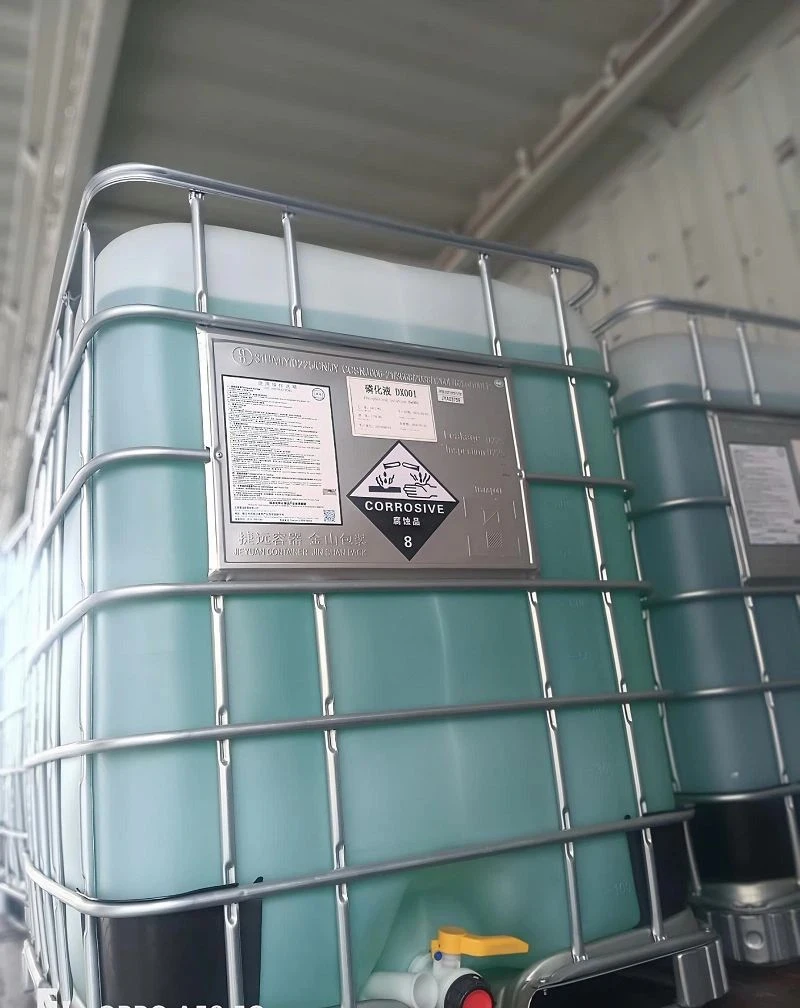
During the production process, we keep the customers informed about the progress and any potential issues. We also welcome their feedback and suggestions, which can help us continuously improve our products and services.
Conclusion
Complying with standards in electrolytic phosphating production is a complex but necessary task. By understanding the standards, controlling the quality of raw materials, optimizing the production process, training employees, conducting quality assurance and testing, ensuring environmental and safety compliance, and maintaining good communication with customers, we can produce high - quality phosphating products that meet the diverse needs of the market.
If you are interested in our Hot-rolled Wire Rod Phosphatizing Agents or Online Multi-filament Electrolytic Phosphatizing Agents, please feel free to contact us for more information and to start a procurement negotiation. We are committed to providing you with the best products and services that comply with all relevant standards.
References
- ASTM International. (Year). ASTM standards related to electrolytic phosphating.
- ISO. (Year). International standards for surface treatment and coating in electrolytic phosphating.
- Industry reports on electrolytic phosphating technology and quality control.