

Can alloy steel wire be welded?
Hey there! As an Alloy Steel Wire supplier, I often get asked, "Can alloy steel wire be welded?" Well, let's dive right into this topic and find out.
First off, what is alloy steel wire? Alloy steel wire is a type of wire that's made by combining iron with other elements like chromium, nickel, molybdenum, and vanadium. These additional elements give the wire enhanced properties such as increased strength, better corrosion resistance, and improved heat resistance. You can check out more about it on our Alloy Steel Wire page.
Now, back to the main question: Can it be welded? The short answer is yes, alloy steel wire can be welded. But, like with any welding process, there are some things you need to keep in mind.
One of the key factors to consider is the type of alloy steel wire you're working with. Different alloys have different compositions, and this can affect the welding process. For example, some alloy steel wires may have a high carbon content. Welding high - carbon alloy steel wires can be a bit tricky because they're more prone to cracking. When you heat up the wire during welding, the carbon can react with oxygen in the air, forming carbon monoxide. This can lead to porosity in the weld, and if the cooling rate is too fast, it can cause the formation of hard and brittle martensite, which can crack under stress.
Another aspect is the welding method. There are several welding methods available, and each has its own pros and cons when it comes to welding alloy steel wire.
Let's start with TIG (Tungsten Inert Gas) welding. TIG welding is a great option for welding alloy steel wire. It uses a non - consumable tungsten electrode to create an arc, and an inert gas (usually argon) is used to shield the weld from the atmosphere. This method gives you a high level of control over the welding process, which is important when working with alloy steel wire. You can precisely control the heat input, which helps prevent overheating and cracking. TIG welding also produces a clean and high - quality weld, making it suitable for applications where aesthetics and strength are both important.
MIG (Metal Inert Gas) welding is another popular method. In MIG welding, a consumable wire electrode is fed through a welding gun, and an inert gas is used to protect the weld. MIG welding is generally faster than TIG welding, which can be an advantage if you're working on a large - scale project. However, it may not offer the same level of control as TIG welding. When welding alloy steel wire with MIG, you need to make sure you select the right wire electrode and shielding gas combination. The wrong combination can lead to issues like poor fusion or excessive spatter.
Stick welding, also known as Shielded Metal Arc Welding (SMAW), can also be used for welding alloy steel wire. This method uses a flux - coated electrode. The flux helps to protect the weld from the atmosphere and also provides some alloying elements to the weld. Stick welding is relatively simple and can be used in outdoor and dirty environments. But it can be a bit messy, and the quality of the weld may not be as high as with TIG or MIG welding.
Pre - welding preparations are crucial when welding alloy steel wire. You need to clean the wire thoroughly before welding. Any dirt, oil, or rust on the wire can contaminate the weld and lead to poor quality. You can use a wire brush or a chemical cleaner to clean the surface of the wire.
It's also important to pre - heat the wire in some cases. Pre - heating helps to reduce the cooling rate of the weld, which can prevent the formation of hard and brittle structures. The pre - heating temperature depends on the type of alloy steel wire and its thickness. You should follow the manufacturer's recommendations for pre - heating.
After welding, post - weld heat treatment may be necessary. Post - weld heat treatment can help to relieve the internal stresses in the weld and improve its mechanical properties. This can involve processes like annealing, normalizing, or tempering.
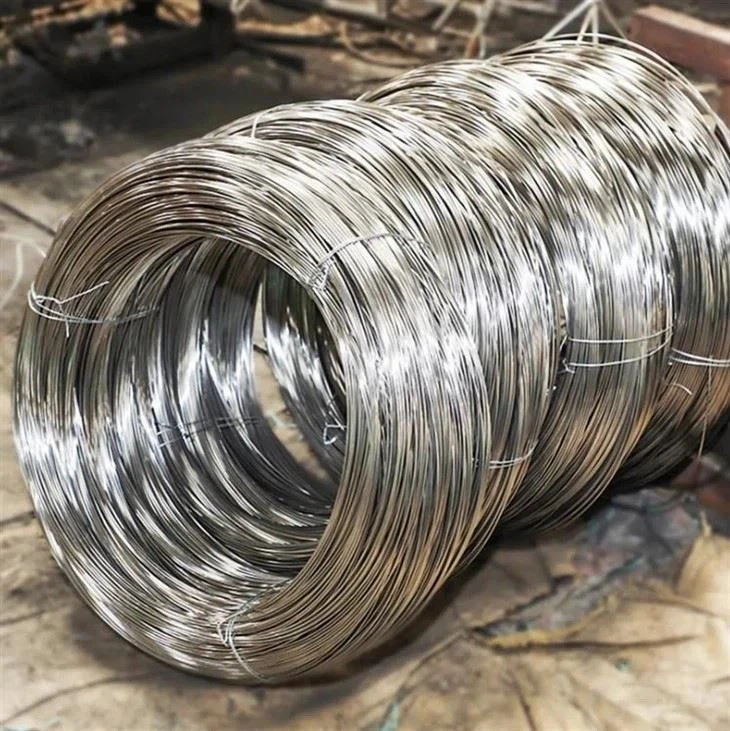
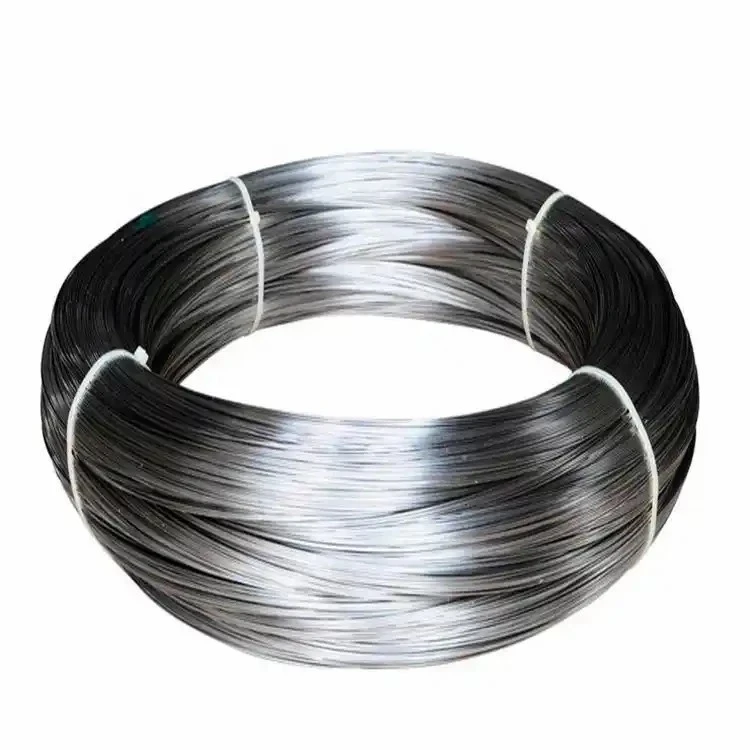
Let's talk about some applications where welded alloy steel wire is used. One common application is in the construction industry. Alloy steel wire can be welded to create structural components such as fences, gates, and reinforcement bars. The high strength and corrosion resistance of alloy steel make it a great choice for these applications.
In the automotive industry, welded alloy steel wire is used in the manufacturing of suspension components, engine parts, and exhaust systems. The ability to weld the wire allows for the creation of complex shapes and structures that are essential for the performance of vehicles.
Another area is the manufacturing of machinery and equipment. Welded alloy steel wire can be used to make parts like springs, cables, and fasteners. The enhanced properties of alloy steel wire ensure that these parts can withstand high loads and harsh operating conditions.
If you're interested in Cold Drawn Stainless Steel Wire, it's also a great option for many applications. Cold - drawn stainless steel wire has a smooth surface finish and excellent mechanical properties. It can also be welded using similar methods as alloy steel wire, but the welding parameters may need to be adjusted according to its specific composition.
So, if you're in the market for alloy steel wire or have any questions about welding it, don't hesitate to reach out. Whether you're a small - scale DIY enthusiast or a large - scale industrial manufacturer, we've got the right alloy steel wire for your needs. We can provide you with high - quality products and offer technical support to ensure your welding projects are successful. Contact us to start a discussion about your requirements and let's find the best solution together.
References
- "Welding Metallurgy" by John C. Lippold and David K. Miller
- "The Welding Handbook" published by the American Welding Society