

How to cut steel wire?
As a seasoned steel wire supplier, I've witnessed firsthand the diverse needs and challenges that come with working with steel wire. One of the most common questions I'm asked is, "How to cut steel wire?" In this blog post, I'll share some practical methods and considerations for cutting steel wire effectively.
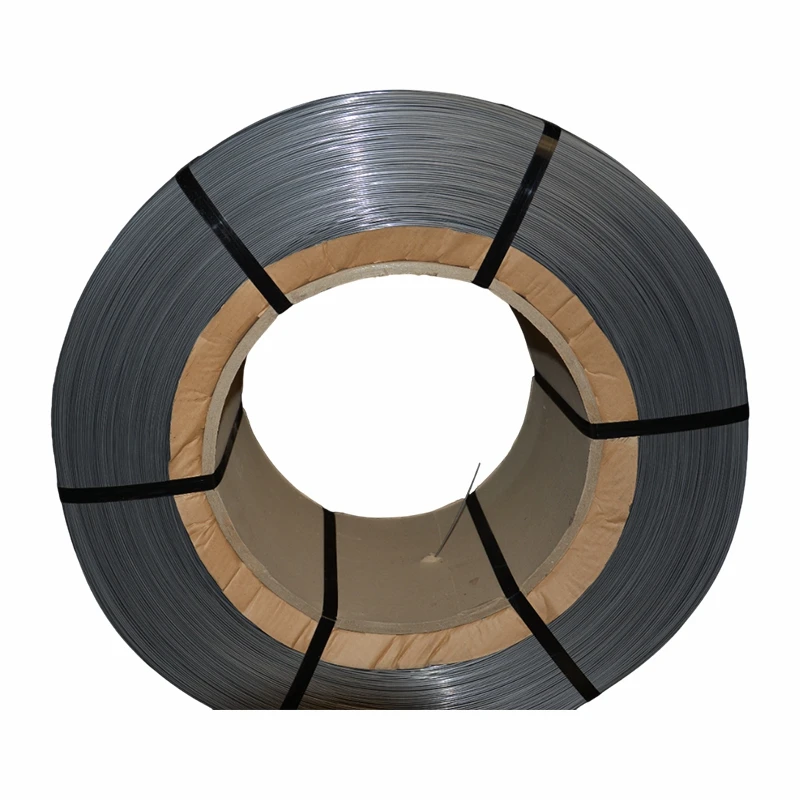

Understanding the Types of Steel Wire
Before diving into the cutting methods, it's essential to understand the different types of steel wire available. Steel wire comes in various diameters, compositions, and hardness levels, each suited for specific applications. For instance, Steel Cut Wire Shot is commonly used for surface preparation and cleaning in industries such as automotive and aerospace. On the other hand, Steel Wire for Optical Fibre Cable requires high precision and low distortion during cutting to ensure the integrity of the cable. And Steel Wire for Brush needs to be cut accurately to maintain the brush's performance.
Tools for Cutting Steel Wire
The choice of cutting tool depends on several factors, including the wire diameter, hardness, and the desired cut quality. Here are some common tools used for cutting steel wire:
Handheld Wire Cutters
Handheld wire cutters are the most basic and widely used tool for cutting steel wire. They come in various sizes and designs, each suitable for different wire diameters. For thin wires (up to 2mm in diameter), diagonal cutters are a popular choice. They provide a clean and sharp cut, making them ideal for electrical and jewelry applications. For thicker wires, bolt cutters or heavy-duty wire cutters may be required. These tools have longer handles and stronger jaws, allowing them to exert more force and cut through thicker wires.
Power Tools
Power tools offer greater speed and efficiency when cutting large quantities of steel wire. Some common power tools used for cutting steel wire include:
- Angle Grinder: An angle grinder equipped with a cutting wheel can quickly cut through thick steel wire. However, it produces a lot of heat and sparks, so proper safety precautions, such as wearing protective gear, are essential.
- Band Saw: A band saw is a versatile tool that can cut through steel wire of various diameters. It provides a smooth and precise cut, making it suitable for industrial applications.
- Laser Cutter: Laser cutters are the most advanced and precise method of cutting steel wire. They use a high-powered laser beam to melt and vaporize the wire, resulting in a clean and accurate cut. However, laser cutters are expensive and require specialized training to operate.
Cutting Techniques
Once you've chosen the appropriate cutting tool, it's important to use the correct cutting technique to ensure a clean and efficient cut. Here are some general tips:
- Mark the Cutting Point: Use a marker or scribe to mark the exact point where you want to cut the wire. This will help you make a precise cut and avoid errors.
- Secure the Wire: Before cutting, make sure the wire is securely held in place. You can use a vise or clamp to prevent the wire from moving during the cutting process.
- Apply Steady Pressure: When using handheld wire cutters, apply steady pressure to the handles until the wire is cut. Avoid using excessive force, as this can damage the cutters or cause the wire to deform.
- Use the Right Cutting Speed: When using power tools, adjust the cutting speed according to the wire diameter and hardness. A slower cutting speed may be required for thicker or harder wires to ensure a clean cut.
- Cool the Wire: Cutting steel wire generates a lot of heat, which can affect the cut quality and damage the cutting tool. To prevent this, you can use a coolant or lubricant to cool the wire during the cutting process.
Safety Precautions
Cutting steel wire can be dangerous if proper safety precautions are not taken. Here are some safety tips to keep in mind:
- Wear Protective Gear: Always wear safety glasses, gloves, and a dust mask to protect yourself from flying debris and metal particles.
- Use the Right Tool for the Job: Make sure you're using the appropriate cutting tool for the wire diameter and hardness. Using the wrong tool can result in a poor cut or damage to the tool.
- Follow the Manufacturer's Instructions: Read and follow the manufacturer's instructions carefully when using any cutting tool. This will help you use the tool safely and effectively.
- Keep the Work Area Clean: Keep the work area clean and free of clutter to prevent accidents. Make sure all tools and equipment are properly stored when not in use.
- Inspect the Cutting Tool Regularly: Regularly inspect the cutting tool for signs of wear or damage. Replace any worn or damaged parts immediately to ensure the tool's safety and performance.
Considerations for Different Applications
The cutting method and technique may vary depending on the specific application. Here are some considerations for different industries:
Electrical and Electronics
In the electrical and electronics industry, precision and cleanliness are crucial. When cutting steel wire for electrical applications, it's important to use a clean and sharp cutting tool to avoid damaging the wire's insulation. Diagonal cutters or precision wire cutters are commonly used for this purpose. Additionally, the cut ends of the wire should be smooth and free of burrs to prevent short circuits.
Jewelry Making
In jewelry making, the cut quality and appearance are of utmost importance. When cutting steel wire for jewelry applications, it's essential to use a tool that provides a clean and precise cut. Fine wire cutters or flush cutters are often used to create smooth and seamless cuts. Additionally, the wire should be cut at a slight angle to prevent sharp edges and ensure a comfortable fit.
Industrial Manufacturing
In industrial manufacturing, speed and efficiency are key. When cutting large quantities of steel wire, power tools such as band saws or laser cutters are often used. These tools can quickly and accurately cut through thick steel wire, making them ideal for mass production. However, proper safety precautions and quality control measures are essential to ensure the safety of the workers and the quality of the finished product.
Conclusion
Cutting steel wire requires the right tools, techniques, and safety precautions. By understanding the different types of steel wire, choosing the appropriate cutting tool, and using the correct cutting technique, you can achieve a clean and efficient cut. Whether you're a DIY enthusiast or a professional in the industry, these tips will help you cut steel wire like a pro.
If you're interested in purchasing high-quality steel wire for your specific application, please don't hesitate to contact us for more information and to discuss your procurement needs. We're here to provide you with the best solutions and support.
References
- "Steel Wire Handbook" by John Doe
- "Cutting Techniques for Metal Wires" by Jane Smith
- Manufacturer's manuals for wire cutters and power tools