

How to cut stainless steel wire?
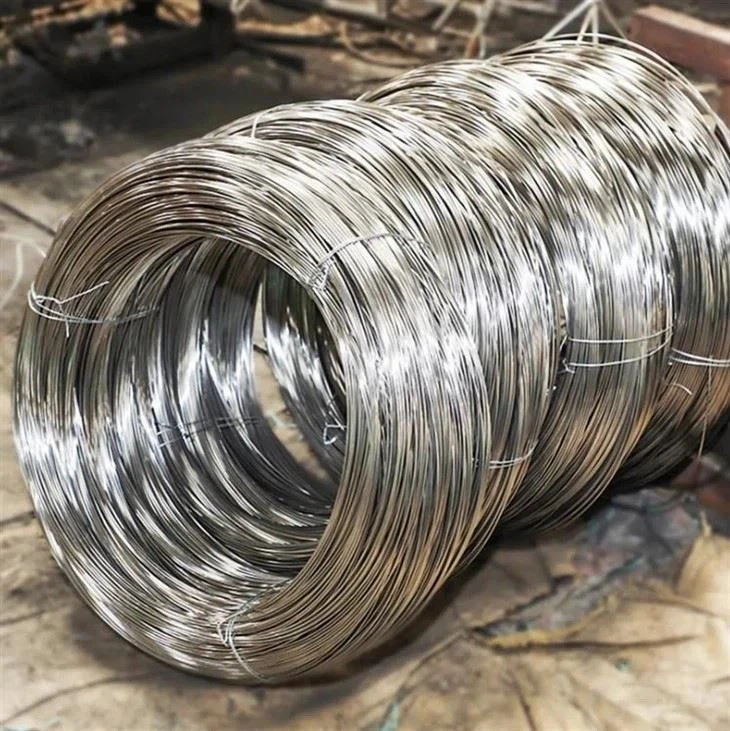
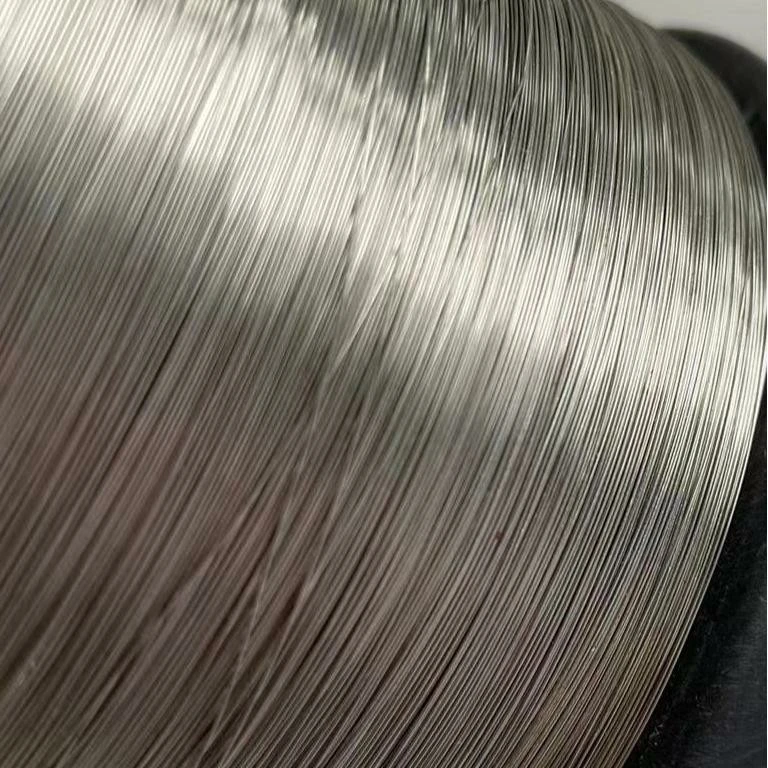
Stainless steel wire is a versatile and widely used material in various industries, from construction and manufacturing to jewelry making and art. As a stainless steel wire supplier, I often receive inquiries from customers about the best ways to cut this durable material. In this blog post, I'll share some effective methods for cutting stainless steel wire, along with tips and considerations to ensure a successful cutting process.
Understanding Stainless Steel Wire
Before diving into the cutting methods, it's important to understand the properties of stainless steel wire. Stainless steel is an alloy composed primarily of iron, with a minimum of 10.5% chromium content, which gives it its corrosion - resistant properties. The wire can come in different grades, such as 304, 316, etc., each with unique characteristics suitable for specific applications. Additionally, the diameter of the wire can vary significantly, from very fine wires used in jewelry to thick wires for heavy - duty construction.
Tools for Cutting Stainless Steel Wire
1. Wire Cutters
Wire cutters are a common and straightforward tool for cutting stainless steel wire, especially for thinner gauges. There are different types of wire cutters available:
- Diagonal Cutters: These are the most commonly used wire cutters. They have angled jaws that can cut through the wire cleanly. For stainless steel wire up to about 1/8 inch (3.2 mm) in diameter, diagonal cutters can be quite effective. However, for thicker wires, they may not be strong enough.
- Compound Leverage Cutters: These cutters are designed to provide extra cutting force. They use a compound leverage mechanism to multiply the force applied by the user. Compound leverage cutters can handle stainless steel wires up to 3/16 inch (4.8 mm) or even slightly thicker, depending on the quality of the cutter.
2. Bolt Cutters
Bolt cutters are heavy - duty cutting tools suitable for cutting thicker stainless steel wires. They have long handles that provide significant leverage, allowing you to cut through wires with diameters up to 1/2 inch (12.7 mm) or more. When using bolt cutters, make sure to position the wire properly between the jaws and apply a steady, even pressure.
3. Angle Grinder
An angle grinder is a power tool that can be used to cut stainless steel wire, especially for very thick wires or when a large number of cuts need to be made. It uses a rotating abrasive disc to cut through the material. When using an angle grinder, it's important to wear appropriate safety gear, such as safety glasses, gloves, and a dust mask. Also, make sure to choose the right type of abrasive disc for cutting stainless steel.
4. Bandsaw
A bandsaw is another option for cutting stainless steel wire, especially for long lengths or when precision cutting is required. Bandsaws use a continuous band of toothed metal to cut through the material. They can provide a smooth and accurate cut, but they require more setup and are generally used in a workshop environment.
Cutting Methods
1. Manual Cutting with Wire Cutters
- Prepare the Wire: First, measure and mark the wire at the desired cutting point. Use a ruler or a measuring tape for accuracy.
- Position the Wire: Place the wire between the jaws of the wire cutters at the marked point. Make sure the wire is centered and firmly held in place.
- Apply Pressure: Squeeze the handles of the wire cutters firmly and steadily. For thinner wires, a single squeeze may be enough to cut through. For thicker wires, you may need to apply more force or make multiple attempts.
2. Using Bolt Cutters
- Select the Right Bolt Cutters: Choose bolt cutters that are appropriate for the diameter of the stainless steel wire.
- Position the Wire: Place the wire at the back of the bolt cutter jaws, where the cutting force is the greatest.
- Cut the Wire: Apply pressure to the handles of the bolt cutters using your body weight if necessary. Make sure to cut in a straight line.
3. Cutting with an Angle Grinder
- Prepare the Angle Grinder: Install the appropriate abrasive disc for cutting stainless steel. Make sure the disc is securely attached.
- Mark the Cutting Point: Mark the wire at the desired cutting location.
- Cut the Wire: Hold the angle grinder firmly and position the disc at the marked point on the wire. Start the angle grinder and slowly guide it through the wire. Keep the grinder moving steadily to avoid overheating the wire.
4. Bandsaw Cutting
- Set Up the Bandsaw: Adjust the bandsaw blade tension and speed according to the diameter and type of stainless steel wire.
- Secure the Wire: Clamp the wire firmly in place on the bandsaw table.
- Cut the Wire: Start the bandsaw and slowly feed the wire into the blade. Use a guide to ensure a straight cut.
Tips and Considerations
- Safety First: Always wear appropriate safety gear when cutting stainless steel wire, including safety glasses, gloves, and ear protection if using power tools.
- Tool Maintenance: Keep your cutting tools sharp and in good condition. Dull tools can make the cutting process more difficult and may damage the wire.
- Wire Quality: The quality of the stainless steel wire can affect the cutting process. Higher - quality wires may be easier to cut and may produce cleaner cuts.
- Cooling: When using power tools like angle grinders, the wire can heat up quickly. Consider using a coolant or lubricant to prevent overheating and to extend the life of the cutting tool.
Related Products
If you're interested in other types of steel wire, we also offer Alloy Steel Wire and Cold Drawn Stainless Steel Wire. These products have their own unique properties and applications, and our team can help you choose the right one for your needs.
Contact Us for Procurement
If you're looking to purchase stainless steel wire or have any questions about cutting it, we're here to help. Our team of experts can provide you with detailed information about our products, assist you in choosing the right wire for your application, and offer advice on the best cutting methods. Whether you're a small - scale hobbyist or a large - scale industrial manufacturer, we can meet your stainless steel wire needs.
References
- "Stainless Steel: Properties, Processing, and Applications" by ASM International
- "Handbook of Steel Wire Technology" by J. A. Schey