

How to deal with low strength steel wire that has been exposed to high humidity?
Hey there! I'm a supplier of Low Strength Steel Wire, and I know firsthand how big of a headache it can be when this wire gets exposed to high humidity. It's a common issue, but don't worry, I've got some solid tips on how to deal with it.
First off, let's understand why high humidity is such a problem for low strength steel wire. Steel is an alloy mainly made up of iron, and when it comes into contact with water vapor in high - humidity conditions, a chemical reaction occurs. This reaction leads to the formation of iron oxide, more commonly known as rust. Rust can significantly weaken the wire, reducing its already low strength even further and making it less reliable for various applications.
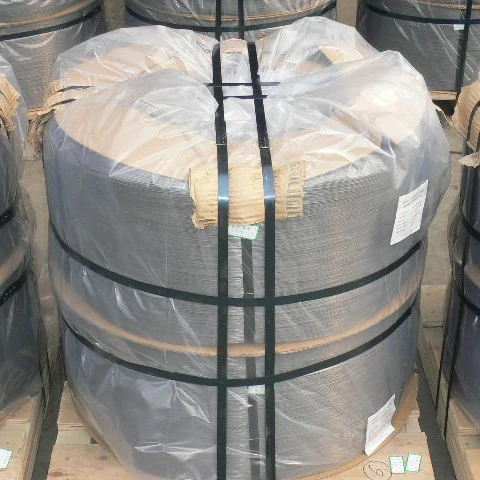

One of the first things you can do when you notice that your low strength steel wire has been exposed to high humidity is to dry it out as soon as possible. You can use a clean, dry cloth to wipe the wire down. Make sure to get into all the nooks and crannies, especially if the wire is coiled. If the wire is in a large quantity or in a difficult - to - reach area, you can use a fan to blow air over it. A dehumidifier in the storage area can also be a great help. By removing the moisture from the surface of the wire, you slow down the rusting process.
After drying, you should inspect the wire for any signs of rust. Look closely for small orange or brown spots. If the rust is just starting to form and is only on the surface, you can try to remove it. One simple way is to use fine - grit sandpaper. Gently rub the sandpaper over the rusty areas. This will scrape off the loose rust and expose the clean steel underneath. But be careful not to over - sand, as this can damage the wire.
Once you've removed the surface rust, it's important to protect the wire from further corrosion. One option is to apply a thin layer of oil. Mineral oil or a light machine oil works well. You can use a brush to apply the oil evenly over the wire. The oil creates a barrier between the steel and the moisture in the air, preventing rust from forming again. Another protective coating option is a rust - inhibiting paint. There are many types of these paints available in the market. They are specifically designed to adhere to steel and provide long - term protection.
If the rust has penetrated deeper into the wire, things get a bit more complicated. In some cases, the wire may be too damaged to be used safely. You'll need to make a judgment call based on the extent of the rust. If the wire has lost a significant amount of its cross - sectional area due to rust, it's probably best to discard it. Using severely rusted wire can lead to failures in applications where it's used, which can be dangerous.
Now, let's talk about prevention. As they say, prevention is better than cure. When storing low strength steel wire, choose a dry and well - ventilated area. Avoid storing it in basements or areas prone to flooding. You can also use moisture - absorbing packets in the storage containers. These packets are filled with substances like silica gel that can soak up excess moisture.
Another way to prevent rust is to invest in high - quality packaging. When we supply Low Strength Steel Wire, we make sure to use packaging that provides a good barrier against moisture. For example, we use plastic wraps and sealed containers to keep the wire dry during transportation and storage.
It's also important to note that different types of steel wire have different levels of resistance to corrosion. While low strength steel wire is more prone to rust, Generalstrength Steel Wire and High Strength Steel Wire may have better corrosion - resistant properties. However, they are still not immune to the effects of high humidity. So, the same principles of drying, inspecting, and protecting apply to them as well.
In some industries, like construction and manufacturing, the quality of the steel wire is crucial. Using rusted or damaged wire can compromise the integrity of the final product. That's why it's so important to take proper care of the wire, especially when it's been exposed to high humidity.
If you're in the market for low strength steel wire, or if you have any questions about dealing with humidity - exposed wire, don't hesitate to reach out. We're here to help you get the best - quality wire and ensure that it stays in good condition. Whether you need a small quantity for a DIY project or a large order for an industrial application, we've got you covered.
In conclusion, dealing with low strength steel wire that has been exposed to high humidity involves a combination of drying, rust removal, protection, and prevention. By following these steps, you can extend the lifespan of your wire and ensure its performance. So, don't let a little humidity ruin your steel wire. Take action and keep your projects on track.
References
- "Corrosion of Metals" by Robert W. Revie
- "Steel Wire Handbook" by various industry experts