

How to design furniture using uncoated steel wire?
Designing furniture using uncoated steel wire offers a unique blend of industrial aesthetics and structural integrity. As a supplier of Uncoated Steel Wire, I've witnessed firsthand the versatility and potential of this material in the world of furniture design. In this blog post, I'll share some insights on how to design furniture using uncoated steel wire, from conceptualization to the final product.
Understanding Uncoated Steel Wire
Before delving into the design process, it's essential to understand the properties of uncoated steel wire. Uncoated steel wire is known for its strength, durability, and flexibility. It can withstand significant stress and tension, making it suitable for a wide range of furniture applications. Additionally, its raw, unfinished appearance adds a rustic and industrial charm to the furniture.
There are different types of uncoated steel wire available, each with its own characteristics. The gauge of the wire, which refers to its thickness, plays a crucial role in determining its strength and flexibility. Thicker wires are generally stronger but less flexible, while thinner wires are more pliable but may have lower load - bearing capacity.
Conceptualization
The first step in designing furniture with uncoated steel wire is to come up with a concept. Consider the purpose of the furniture piece. Is it a chair, a table, a bookshelf, or something more unique? Think about the style you want to achieve, whether it's minimalist, industrial, or a combination of different design elements.
Sketch your ideas on paper. Start with rough outlines and gradually add details. Pay attention to the overall shape, proportions, and the way the wire will be arranged. You can also look for inspiration from existing furniture designs, industrial architecture, or nature. For example, the organic curves of a tree branch can inspire the shape of a wire chair frame.
Material Selection
As a supplier of Uncoated Steel Wire, I recommend choosing the right type of wire for your project. Consider the load - bearing requirements of the furniture. For a heavy - duty table, you'll need a thicker gauge wire, such as 8 - 10 gauge. For a lightweight decorative piece, a thinner 16 - 18 gauge wire may be sufficient.
Also, think about the finish you want to achieve. Uncoated steel wire has a natural, raw look, but you can also treat it to change its appearance. For example, you can paint it to match your interior decor or apply a rust - resistant coating to protect it from corrosion.
Designing the Structure
Once you have a concept and have selected the wire, it's time to design the structure of the furniture. Start by creating a frame. The frame provides the basic shape and support for the furniture. You can use bends, loops, and twists to create different shapes. For example, to make a chair frame, you can bend the wire into a U - shape for the seat and add vertical supports for the backrest.
When designing the structure, consider the joints. Welding is a common method for joining uncoated steel wire. It creates a strong and permanent bond between the wires. However, if you don't have access to welding equipment, you can also use mechanical fasteners such as nuts and bolts or rivets. Just make sure the joints are secure enough to withstand the weight and stress the furniture will be subjected to.
Adding Functionality
In addition to the structure, you need to add functionality to the furniture. For a chair, you can add a seat cushion for comfort. You can attach the cushion to the wire frame using straps or ties. For a table, you can add a tabletop. The tabletop can be made of wood, glass, or other materials. You can attach it to the wire frame using brackets or screws.
When adding functionality, make sure it doesn't compromise the integrity of the wire structure. For example, if you're attaching a heavy tabletop to a wire frame, ensure that the frame is strong enough to support the weight.
Finishing Touches
The finishing touches can make a big difference in the overall appearance of the furniture. You can sand the wire to smooth out any rough edges or burrs. This not only improves the look of the furniture but also makes it safer to use.
You can also apply a protective coating to the wire. While uncoated steel wire has a natural look, a coating can protect it from rust and corrosion. There are different types of coatings available, such as paint, powder coating, or a clear sealant.
Advantages of Using Uncoated Steel Wire in Furniture Design
Using uncoated steel wire in furniture design has several advantages. Firstly, it's cost - effective. Compared to other materials like solid wood or metal alloys, uncoated steel wire is relatively inexpensive. This makes it a great option for budget - conscious designers and consumers.
Secondly, it's lightweight. This makes the furniture easy to move around, which is especially useful for pieces like chairs and small tables.
Thirdly, it's environmentally friendly. Steel is a recyclable material, and using uncoated steel wire reduces the need for chemical coatings and finishes, which can be harmful to the environment.
Related Products
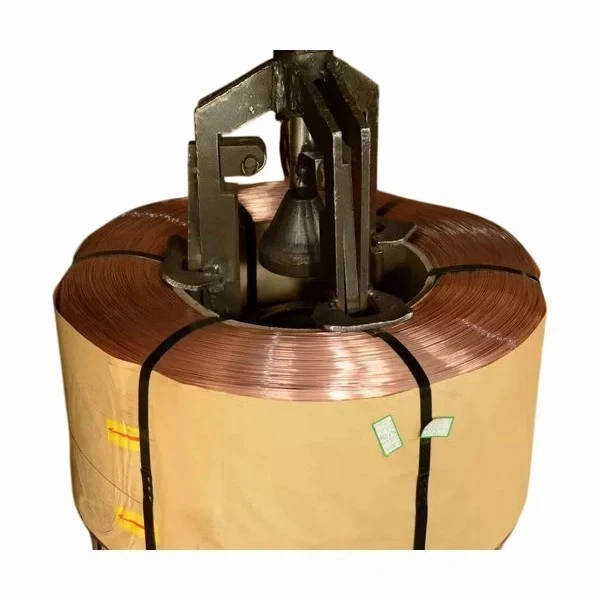
If you're interested in exploring other types of steel wire for your furniture design projects, we also offer Tin Plated Bronze Steel Wire and Anti Oxidation Copper Coated Steel Wire. These coated wires offer additional protection against corrosion and can add a unique aesthetic to your furniture.
Contact for Procurement
If you're looking to source high - quality Uncoated Steel Wire for your furniture design projects, we're here to help. Our team can provide you with detailed information about our products, including specifications, pricing, and delivery options. Whether you're a professional furniture designer or a DIY enthusiast, we have the right wire for your needs. Feel free to reach out to us to start a procurement discussion.
References
- "The Art of Metalworking: A Comprehensive Guide" by John Smith
- "Furniture Design Basics" by Emily Johnson
- Industry reports on steel wire manufacturing and usage in furniture design.