

How to finish the surface of carbon steel wire for a better appearance?
As a seasoned carbon steel wire supplier, I've witnessed firsthand the pivotal role that surface finishing plays in enhancing the appearance and functionality of carbon steel wire. A well - finished surface not only makes the wire more aesthetically pleasing but also improves its corrosion resistance, durability, and overall performance. In this blog, I'll share some effective methods to finish the surface of carbon steel wire for a better appearance.
1. Pickling
Pickling is a common and essential process in the surface finishing of carbon steel wire. During the manufacturing process, carbon steel wire often forms an oxide layer on its surface due to exposure to air and high temperatures. This oxide layer can make the wire look dull and uneven. Pickling involves immersing the wire in an acidic solution, typically hydrochloric acid or sulfuric acid, to remove the oxide layer.
The acid reacts with the metal oxides on the wire surface, dissolving them and leaving a clean, smooth surface. After pickling, the wire should be thoroughly rinsed with water to remove any residual acid. This step is crucial as residual acid can cause corrosion over time. Pickling not only improves the appearance of the wire but also prepares the surface for subsequent finishing processes, such as galvanizing or coating.
2. Galvanizing
Galvanizing is one of the most popular surface finishing methods for carbon steel wire. It involves coating the wire with a layer of zinc, which provides excellent corrosion resistance and a shiny, attractive appearance. There are two main types of galvanizing: hot - dip galvanizing and electro - galvanizing.
Hot - Dip Galvanizing
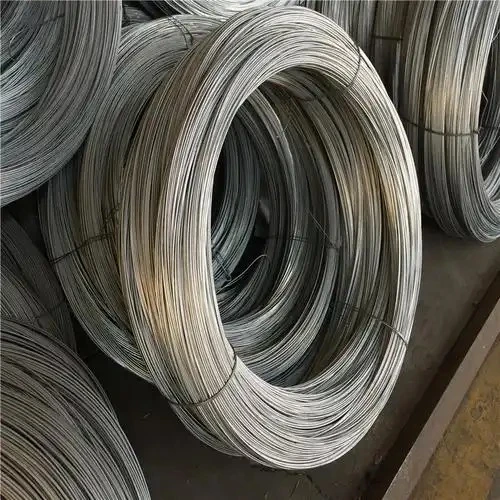
In hot - dip galvanizing, the carbon steel wire is first cleaned and pickled to remove any impurities and oxide layers. Then, it is dipped into a bath of molten zinc at a temperature of around 450°C. The zinc reacts with the steel surface to form a series of zinc - iron alloy layers, followed by a pure zinc top layer. Hot - dip galvanizing provides a thick and durable zinc coating, which can protect the wire from corrosion for many years, even in harsh environments. The resulting wire has a characteristic spangled appearance, which is both functional and visually appealing.
Electro - Galvanizing
Electro - galvanizing, on the other hand, uses an electrolytic process to deposit a thin layer of zinc onto the wire surface. The wire is placed in an electrolyte solution containing zinc ions, and an electric current is applied. The zinc ions are attracted to the wire surface and form a uniform zinc coating. Electro - galvanizing produces a smoother and more uniform coating compared to hot - dip galvanizing. It is often used when a thinner coating is required or when a more precise finish is desired. For more information about high - quality carbon steel wire products like Cold Drawn High Carbon Spring Steel Wire, which can be further enhanced with galvanizing, you can visit our website.
3. Coating
Coating the carbon steel wire with various materials is another effective way to improve its appearance and performance. There are different types of coatings available, each with its own unique properties.
Polymer Coating
Polymer coatings, such as polyethylene or polyvinyl chloride (PVC), can be applied to the wire to provide a smooth, colorful, and protective layer. These coatings can be applied by extrusion or dipping methods. Polymer - coated wires are often used in applications where aesthetics and corrosion resistance are important, such as in fencing, decorative items, and electrical wiring. The coating can be customized in terms of color, thickness, and texture to meet specific customer requirements.
Epoxy Coating
Epoxy coatings offer excellent adhesion, chemical resistance, and durability. They are commonly used in applications where the wire needs to withstand harsh chemicals, abrasion, or high - temperature environments. Epoxy - coated carbon steel wire is often used in industrial settings, such as in the manufacturing of filters, conveyor belts, and machinery parts. The coating can be applied by spraying or dipping, and it can provide a smooth and glossy finish.
4. Polishing
Polishing is a mechanical surface finishing process that can significantly improve the appearance of carbon steel wire. It involves using abrasive materials, such as sandpaper, polishing wheels, or abrasive belts, to remove surface imperfections and create a smooth, shiny surface.
There are different levels of polishing, ranging from rough polishing to fine polishing. Rough polishing is used to remove large scratches and unevenness on the wire surface, while fine polishing is used to achieve a mirror - like finish. Polishing can be done manually or using automated polishing machines, depending on the scale of production and the desired finish quality. Polished carbon steel wire is often used in high - end applications, such as in jewelry making, decorative art, and precision instruments.
5. Heat Treatment
Heat treatment can also have an impact on the surface appearance of carbon steel wire. While its primary purpose is to improve the mechanical properties of the wire, it can also affect the surface finish.
Annealing
Annealing is a heat treatment process that involves heating the wire to a specific temperature and then slowly cooling it. This process relieves internal stresses in the wire, improves its ductility, and can also make the surface more uniform. Annealed wire often has a smooth and clean appearance, which can be further enhanced by subsequent finishing processes.
Quenching and Tempering
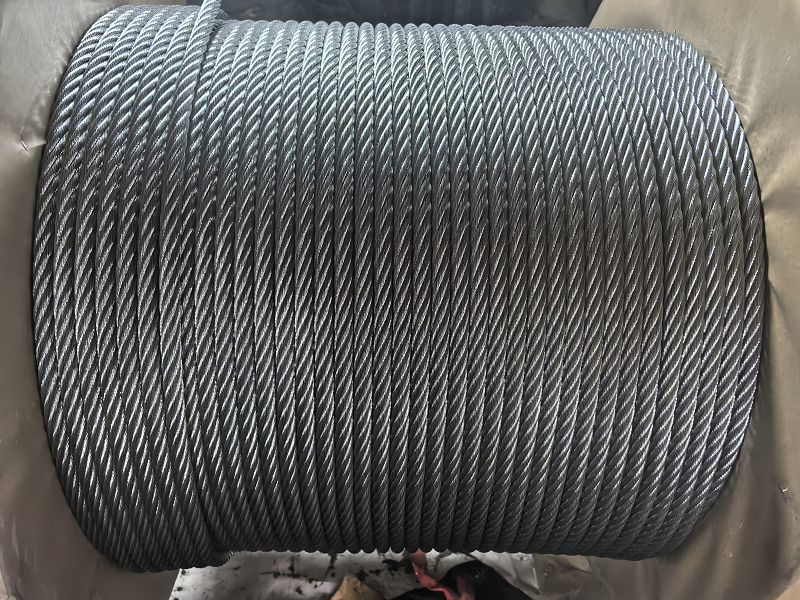
Quenching and tempering are heat treatment processes used to increase the hardness and strength of the wire. During quenching, the wire is heated to a high temperature and then rapidly cooled in a quenching medium, such as oil or water. Tempering is then carried out to reduce the brittleness caused by quenching. These processes can change the surface color and texture of the wire, giving it a unique and distinctive appearance. For high - performance carbon steel wire products like High Carbon Steel Wire Rope and High Carbon Patented Spring Steel Wire, heat treatment is often an important step in the manufacturing process.
Conclusion
Finishing the surface of carbon steel wire is a multi - faceted process that requires careful consideration of the desired appearance, performance requirements, and cost - effectiveness. By choosing the right surface finishing method, carbon steel wire can be transformed from a raw material into a high - quality product with an excellent appearance and enhanced functionality.
As a carbon steel wire supplier, we are committed to providing our customers with the best - quality products. Whether you need pickled, galvanized, coated, polished, or heat - treated carbon steel wire, we have the expertise and resources to meet your needs. If you are interested in our carbon steel wire products or have any questions about surface finishing, please feel free to contact us for procurement discussions. We look forward to working with you to find the perfect solution for your projects.
References
- ASM Handbook Volume 5: Surface Engineering. ASM International.
- Metals Handbook: Properties and Selection: Irons and Steels. ASM International.
- Corrosion Resistance of Zinc - Coated Steel. American Galvanizers Association.