

How to improve the ductility of carbon steel wire?
Hey there! As a carbon steel wire supplier, I've been getting a lot of questions lately about how to improve the ductility of carbon steel wire. Ductility is super important, as it allows the wire to be stretched, bent, and formed without breaking. So, let's dive into some practical ways to boost that ductility.
Understanding Carbon Steel Wire Ductility
First off, let's quickly understand what affects the ductility of carbon steel wire. The carbon content is a major player. Generally, higher carbon content means lower ductility. High - carbon steel wires are stronger but less ductile, while low - carbon steel wires are more ductile but not as strong.
For instance, Cold Drawn High Carbon Steel Wire is great for applications where strength is key, like in some high - stress industrial uses. But if you need more flexibility, Cold Drawn Low Carbon Steel Wire might be a better choice.
Heat Treatment
One of the most effective ways to improve ductility is through heat treatment. Annealing is a common heat - treatment process. In annealing, the carbon steel wire is heated to a specific temperature and then slowly cooled. This process helps to relieve internal stresses in the wire, which can build up during manufacturing processes like cold drawing.
Here's how it works. When the wire is heated, the atoms in the steel lattice gain enough energy to move around. As it cools slowly, the atoms arrange themselves in a more regular pattern, reducing the number of defects and dislocations in the structure. This more ordered structure allows the wire to deform more easily, increasing its ductility.
Another heat - treatment method is normalizing. It's similar to annealing, but the cooling process is faster. Normalizing can also improve the ductility of carbon steel wire by refining the grain structure. A finer grain structure generally leads to better mechanical properties, including increased ductility.
Alloying
Adding certain alloying elements can also enhance the ductility of carbon steel wire. For example, manganese is often added. Manganese helps to form a more uniform microstructure in the steel. It combines with sulfur in the steel to form manganese sulfide inclusions, which are less harmful to ductility compared to iron sulfide inclusions.
Nickel is another useful alloying element. It can improve the toughness and ductility of carbon steel wire, especially at low temperatures. By adding a small amount of nickel, the wire becomes more resistant to cracking and can deform more easily under stress.
Cold Drawing Process Optimization
If you're involved in the production of carbon steel wire, optimizing the cold drawing process can have a big impact on ductility. Cold drawing is a process where the wire is pulled through a die to reduce its diameter. During this process, the wire undergoes significant deformation, which can sometimes reduce its ductility.
To counter this, you can use multiple dies with smaller reductions in diameter at each step. This gradual reduction in diameter helps to distribute the deformation more evenly across the wire, reducing the likelihood of excessive work hardening. Work hardening occurs when the wire becomes harder and less ductile as it is deformed. By minimizing work hardening, you can maintain or even improve the ductility of the wire.
Surface Treatment
The surface condition of the carbon steel wire can also affect its ductility. A smooth surface is generally better for ductility. Surface defects, such as scratches or cracks, can act as stress concentrators. When the wire is subjected to stress, these stress concentrators can cause the wire to fail prematurely, reducing its apparent ductility.
Applying a lubricant during the manufacturing process can help to reduce friction between the wire and the die. This not only improves the surface finish of the wire but also reduces the likelihood of surface damage. Additionally, some surface treatments, like galvanizing, can protect the wire from corrosion, which can also affect its mechanical properties over time.
Testing and Quality Control
It's crucial to test the ductility of carbon steel wire regularly. There are several standard tests available, such as the tensile test. In a tensile test, a sample of the wire is pulled until it breaks, and the amount of elongation before breaking is measured. This elongation is a measure of the wire's ductility.
By conducting regular tests, you can ensure that the wire meets the required ductility standards. If the test results show that the ductility is lower than expected, you can then take corrective actions, such as adjusting the heat - treatment parameters or changing the alloying composition.
Applications of High - Ductility Carbon Steel Wire
High - ductility carbon steel wire has a wide range of applications. For example, High Carbon Steel Wire Rope with improved ductility is ideal for applications where flexibility and strength are both required, such as in cranes and elevators.
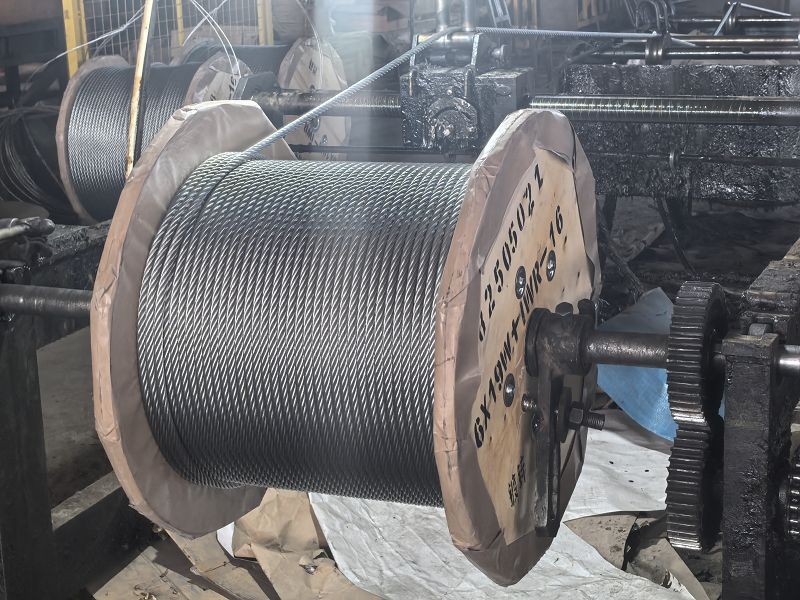
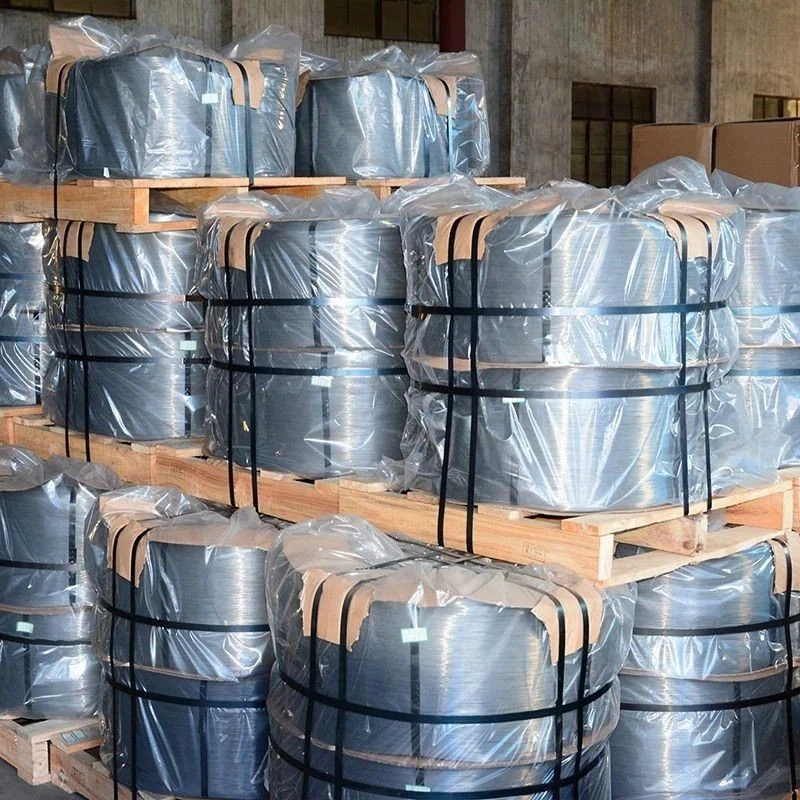
In the automotive industry, high - ductility carbon steel wire is used in various components, like springs and fasteners. The ability of the wire to deform without breaking ensures the reliability and safety of these components.
Conclusion
Improving the ductility of carbon steel wire is a multi - faceted process that involves heat treatment, alloying, process optimization, and quality control. By implementing these strategies, you can produce carbon steel wire that meets the high - performance requirements of various industries.
If you're in the market for high - quality carbon steel wire with excellent ductility, I'd love to have a chat with you. Whether you need it for a specific project or just want to explore your options, don't hesitate to reach out. We can discuss your requirements in detail and find the perfect solution for you.
References
- ASM Handbook Volume 4: Heat Treating
- Metals Handbook Desk Edition, 3rd Edition
- Steelmaking and Refining by Benjamin Thomas
- The Science and Engineering of Materials by Donald R. Askeland