

How to improve the fatigue resistance of cold drawn steel wire?
In the realm of industrial materials, cold drawn steel wire stands as a cornerstone, finding its application in a multitude of sectors, from construction to automotive manufacturing. As a leading Cold Drawn Steel Wire supplier, I understand the critical importance of fatigue resistance in ensuring the longevity and reliability of this essential product. Fatigue failure, a phenomenon that occurs when a material is subjected to repeated loading and unloading, can lead to catastrophic consequences in various applications. Therefore, enhancing the fatigue resistance of cold drawn steel wire is not only a technical challenge but also a matter of utmost significance for our customers.
Understanding the Mechanisms of Fatigue in Cold Drawn Steel Wire
Before delving into the strategies to improve fatigue resistance, it is essential to understand the underlying mechanisms of fatigue in cold drawn steel wire. Fatigue failure typically initiates at the surface or near-surface regions of the wire, where stress concentrations are likely to occur. These stress concentrations can be caused by various factors, such as surface defects, inclusions, or residual stresses. As the wire is subjected to cyclic loading, microcracks begin to form at these stress concentration points. Over time, these microcracks propagate through the material, eventually leading to the complete failure of the wire.
One of the primary factors that influence the fatigue resistance of cold drawn steel wire is its microstructure. The cold drawing process significantly alters the microstructure of the steel wire, resulting in a highly elongated grain structure and increased dislocation density. While these microstructural changes can enhance the strength and hardness of the wire, they can also make it more susceptible to fatigue failure. Additionally, the presence of impurities and inclusions in the steel can act as stress concentration points, further reducing the fatigue resistance of the wire.
Strategies to Improve Fatigue Resistance
1. Material Selection and Quality Control
The first step in improving the fatigue resistance of cold drawn steel wire is to select high-quality raw materials. The chemical composition of the steel plays a crucial role in determining its fatigue properties. For example, steels with a higher carbon content generally have higher strength and hardness, but they may also be more brittle and prone to fatigue failure. Therefore, it is essential to strike a balance between strength and ductility when selecting the steel grade for cold drawn wire production.
In addition to the chemical composition, the quality of the raw materials also needs to be carefully controlled. This includes ensuring that the steel is free from impurities and inclusions, which can act as stress concentration points and reduce the fatigue resistance of the wire. At our company, we source our raw materials from reputable suppliers and conduct rigorous quality control tests to ensure that they meet our strict standards.
2. Optimizing the Cold Drawing Process
The cold drawing process is a critical step in the production of cold drawn steel wire, and it can have a significant impact on the fatigue resistance of the wire. By optimizing the cold drawing parameters, such as the reduction ratio, drawing speed, and lubrication, we can minimize the formation of surface defects and residual stresses, which are major contributors to fatigue failure.
For example, a lower reduction ratio in each drawing pass can help to reduce the amount of deformation and stress on the wire, resulting in a more uniform microstructure and improved fatigue resistance. Additionally, using a proper lubricant during the cold drawing process can reduce friction and wear, preventing the formation of surface defects and improving the surface finish of the wire.
3. Heat Treatment
Heat treatment is another effective method for improving the fatigue resistance of cold drawn steel wire. By subjecting the wire to a controlled heating and cooling process, we can modify its microstructure and relieve residual stresses, thereby enhancing its fatigue properties.
One common heat treatment process used for cold drawn steel wire is patenting. Patented steel wire undergoes a specific heat treatment process that results in a fine-grained pearlitic microstructure, which provides excellent strength, ductility, and fatigue resistance. Patented Steel Wire is widely used in applications where high fatigue resistance is required, such as in the manufacturing of springs and cables.
4. Surface Treatment
Surface treatment is an important strategy for improving the fatigue resistance of cold drawn steel wire. By applying a protective coating or treatment to the surface of the wire, we can prevent the initiation and propagation of microcracks, thereby extending the fatigue life of the wire.
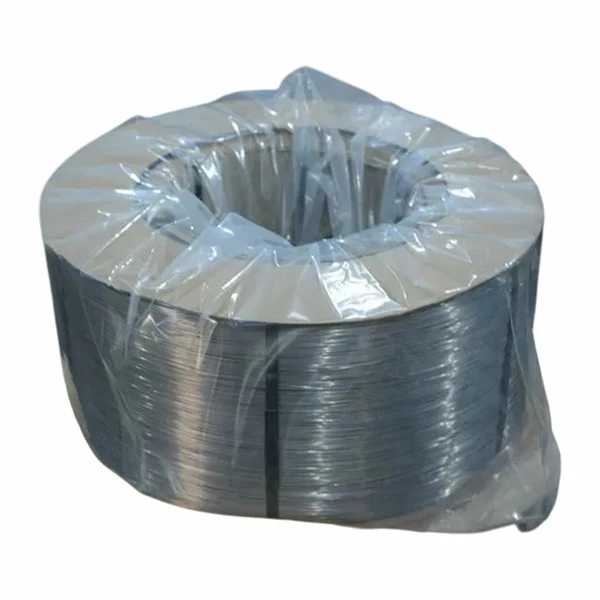
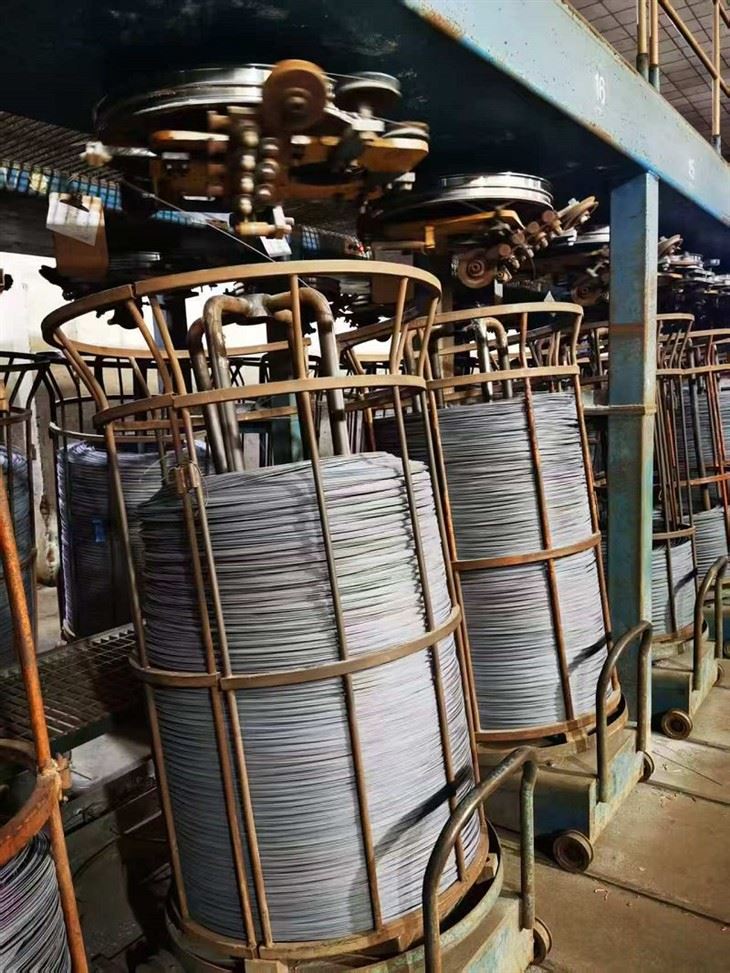
One of the most commonly used surface treatments for cold drawn steel wire is phosphate coating. Phosphate Coating Steel Wire provides a layer of protection against corrosion and wear, which can significantly improve the fatigue resistance of the wire. Additionally, the phosphate coating can also act as a lubricant during the cold drawing process, reducing friction and preventing the formation of surface defects.
5. Residual Stress Relief
As mentioned earlier, residual stresses can have a significant impact on the fatigue resistance of cold drawn steel wire. Therefore, it is essential to relieve these residual stresses through appropriate heat treatment or mechanical processes. For example, stress relieving heat treatment can be used to reduce the residual stresses in the wire, thereby improving its fatigue properties.
Another method for relieving residual stresses is through shot peening. Shot peening involves bombarding the surface of the wire with small spherical particles, which creates a compressive stress layer on the surface of the wire. This compressive stress layer can counteract the tensile stresses generated during cyclic loading, thereby improving the fatigue resistance of the wire.
Conclusion
Improving the fatigue resistance of cold drawn steel wire is a complex but achievable goal. By understanding the mechanisms of fatigue and implementing the strategies outlined above, we can produce cold drawn steel wire with superior fatigue properties, meeting the demanding requirements of our customers in various industries.
As a Cold Drawn Steel Wire supplier, we are committed to providing our customers with high-quality products that offer excellent fatigue resistance. Our state-of-the-art manufacturing facilities and strict quality control measures ensure that every wire we produce meets the highest standards of performance and reliability.
If you are interested in learning more about our cold drawn steel wire products or discussing your specific requirements, please feel free to contact us. We look forward to the opportunity to work with you and provide you with the best solutions for your needs.
References
- Dieter, G. E. (1986). Mechanical Metallurgy. McGraw-Hill.
- Hertzberg, R. W. (1996). Deformation and Fracture Mechanics of Engineering Materials. Wiley.
- ASM Handbook, Volume 1: Properties and Selection: Irons, Steels, and High-Performance Alloys. ASM International.