

How to measure the dimensions of profile wire?
As a seasoned supplier of profile wire, I understand the critical importance of accurately measuring the dimensions of profile wire. Precise measurements ensure that the wire meets the specific requirements of various applications, from construction to automotive and beyond. In this blog post, I will share some essential methods and considerations for measuring the dimensions of profile wire.
Understanding Profile Wire
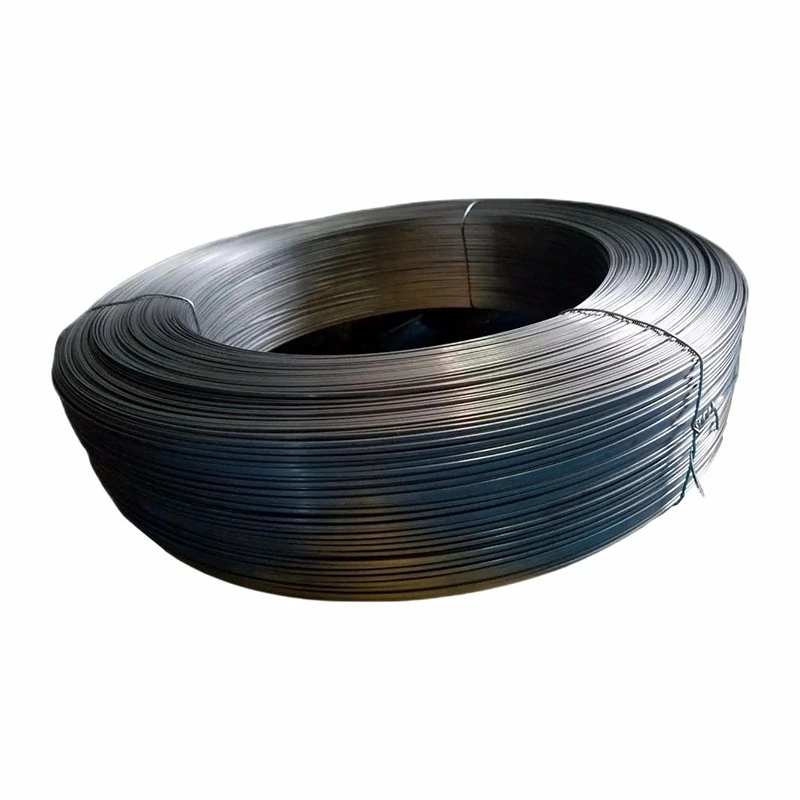
Profile wire comes in a variety of shapes and sizes, each designed for specific applications. Common types of profile wire include Cold Rolled Flat Steel Wire Strips, Rectangular Steel Wire, and Round Steel Wire. The dimensions of profile wire typically include diameter, width, thickness, and length, depending on the shape of the wire.
Measuring Tools
To measure the dimensions of profile wire accurately, you will need the right tools. Here are some commonly used measuring tools:

Calipers
Calipers are one of the most versatile and accurate measuring tools for profile wire. They come in two main types: vernier calipers and digital calipers. Vernier calipers use a sliding scale to measure dimensions, while digital calipers display the measurement on a digital screen. Both types can measure the diameter, width, and thickness of profile wire with high precision.
Micrometers
Micrometers are another precise measuring tool, especially suitable for measuring small dimensions. They are commonly used to measure the thickness of flat or rectangular profile wire. Micrometers come in different types, such as outside micrometers, inside micrometers, and depth micrometers, each designed for specific measurement tasks.
Rulers and Tape Measures
Rulers and tape measures are simple and convenient tools for measuring the length of profile wire. While they may not provide the same level of precision as calipers or micrometers, they are sufficient for measuring longer lengths.
Measuring the Dimensions of Round Steel Wire
Measuring the diameter of round steel wire is a straightforward process. Here's how you can do it:
- Select the Right Measuring Tool: For most applications, a digital caliper is the best choice for measuring the diameter of round steel wire. It provides accurate and easy-to-read measurements.
- Prepare the Wire: Make sure the wire is clean and straight. Any bends or kinks in the wire can affect the measurement accuracy.
- Take the Measurement: Place the jaws of the caliper around the wire at a perpendicular angle. Gently close the jaws until they touch the wire on both sides. Read the measurement on the digital screen.
- Take Multiple Measurements: To ensure accuracy, take multiple measurements at different points along the wire. This helps to account for any variations in the wire's diameter.
Measuring the Dimensions of Flat and Rectangular Profile Wire
Measuring the width and thickness of flat and rectangular profile wire requires a slightly different approach. Here's how you can do it:
- Select the Right Measuring Tool: Depending on the size of the wire, you can use either calipers or micrometers to measure the width and thickness. For larger dimensions, a digital caliper is usually sufficient. For smaller dimensions, a micrometer may be more appropriate.
- Prepare the Wire: Similar to round steel wire, make sure the wire is clean and straight. Remove any debris or contaminants from the surface of the wire.
- Measure the Width: Place the jaws of the caliper or micrometer across the widest part of the wire. Gently close the jaws until they touch the wire on both sides. Read the measurement on the digital screen or scale.
- Measure the Thickness: Place the jaws of the caliper or micrometer perpendicular to the surface of the wire. Gently close the jaws until they touch the wire. Read the measurement on the digital screen or scale.
- Take Multiple Measurements: As with round steel wire, take multiple measurements at different points along the wire to ensure accuracy.
Measuring the Length of Profile Wire
Measuring the length of profile wire is relatively simple. Here's how you can do it:
- Select the Right Measuring Tool: A ruler or tape measure is usually sufficient for measuring the length of profile wire. Make sure the ruler or tape measure is long enough to measure the entire length of the wire.
- Prepare the Wire: Make sure the wire is straight and laid out flat. Any bends or loops in the wire can affect the measurement accuracy.
- Take the Measurement: Place the ruler or tape measure along the length of the wire. Align the zero mark of the ruler or tape measure with one end of the wire. Read the measurement at the other end of the wire.
Considerations for Measuring Profile Wire
When measuring the dimensions of profile wire, there are several factors to consider to ensure accuracy:
- Temperature and Humidity: Temperature and humidity can affect the dimensions of profile wire. For high-precision applications, it's important to measure the wire at a controlled temperature and humidity environment.
- Surface Finish: The surface finish of the wire can also affect the measurement accuracy. Rough or uneven surfaces can cause the measuring tool to slip or give inaccurate readings. Make sure the wire is clean and smooth before taking measurements.
- Measurement Location: The location where you take the measurement can also affect the accuracy. For example, measuring the diameter of a round wire at a point where there is a slight bend or deformation can give an inaccurate reading. Always take measurements at a straight and uniform part of the wire.
- Calibration of Measuring Tools: Regularly calibrate your measuring tools to ensure accuracy. Over time, the accuracy of measuring tools can degrade, leading to inaccurate measurements. Follow the manufacturer's instructions for calibration.
Importance of Accurate Measurements
Accurate measurements of profile wire are crucial for several reasons:
- Quality Control: Precise measurements ensure that the profile wire meets the required quality standards. This helps to prevent defects and ensure the reliability of the final product.
- Compatibility: Accurate measurements ensure that the profile wire is compatible with other components in the application. This helps to avoid fitment issues and ensure proper functioning of the product.
- Cost Efficiency: By accurately measuring the dimensions of profile wire, you can optimize the use of materials and reduce waste. This helps to lower production costs and improve profitability.
Conclusion
Measuring the dimensions of profile wire is a critical process that requires the right tools and techniques. By following the methods and considerations outlined in this blog post, you can ensure accurate measurements and high-quality profile wire. As a profile wire supplier, I am committed to providing our customers with the best quality products and services. If you have any questions or need further assistance with measuring the dimensions of profile wire, please feel free to contact us. We look forward to working with you on your next project.
References
- "Measurement Techniques for Metal Wires," Handbook of Metal Forming Processes, John Wiley & Sons, Inc.
- "Precision Measuring Instruments," Machinery's Handbook, Industrial Press, Inc.