

How to increase the fire resistance of steel wire for brush?
As a supplier of steel wire for brushes, I've encountered numerous inquiries about enhancing the fire resistance of our products. In industrial and domestic settings, brushes made from steel wire are widely used. However, in some high - risk environments such as foundries, welding workshops, or areas with potential fire hazards, the fire resistance of steel wire becomes a crucial factor. In this blog, I'll share several effective methods to increase the fire resistance of steel wire for brushes.
Understanding the Basics of Steel Wire and Fire Resistance
Before delving into the methods, it's essential to understand why steel wire can be vulnerable to fire. Steel is an alloy mainly composed of iron and carbon, with other elements added to achieve specific properties. When exposed to high temperatures, steel can undergo structural changes. The most significant change is the transformation of its crystal structure, which can lead to a loss of strength and ductility. In extreme cases, the steel wire may even melt, causing the brush to lose its functionality.
1. Alloying
One of the most effective ways to increase the fire resistance of steel wire is through alloying. By adding specific elements to the steel composition, we can enhance its high - temperature properties.

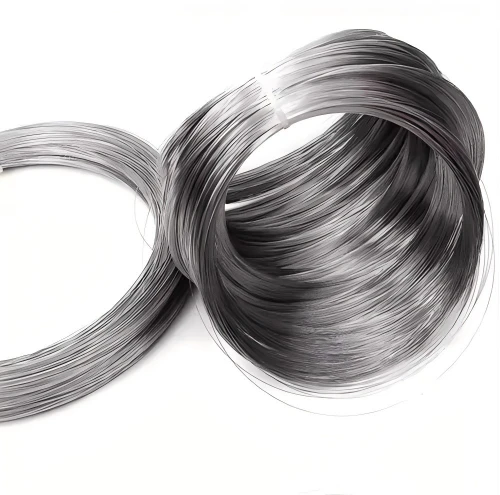
- Chromium (Cr): Chromium is a well - known alloying element for improving fire resistance. When added to steel, it forms a thin, protective oxide layer on the surface of the wire. This oxide layer acts as a barrier, preventing oxygen from reaching the underlying steel and thus reducing the rate of oxidation at high temperatures. A steel wire with a chromium content of around 12 - 18% can significantly improve its fire resistance. For example, stainless steel, which contains a relatively high amount of chromium, is known for its excellent resistance to heat and corrosion.
- Nickel (Ni): Nickel can also enhance the fire resistance of steel. It helps to stabilize the austenitic structure of steel at high temperatures, which improves the wire's strength and toughness. When combined with chromium, nickel can further enhance the protective oxide layer, providing better protection against oxidation. A steel wire with a nickel content of 8 - 12% in combination with chromium can have superior fire - resistant properties.
- Molybdenum (Mo): Molybdenum is another important alloying element. It increases the high - temperature strength of steel by forming carbide particles within the steel matrix. These carbide particles help to pin dislocations, which are responsible for plastic deformation at high temperatures. By adding around 1 - 3% molybdenum to the steel wire, we can improve its ability to maintain its shape and strength under fire conditions.
2. Heat Treatment
Heat treatment is a process that can significantly alter the microstructure of steel wire, thereby improving its fire resistance.
- Annealing: Annealing is a heat treatment process in which the steel wire is heated to a specific temperature and then slowly cooled. This process helps to relieve internal stresses in the wire and refine its grain structure. A fine - grained steel wire has better mechanical properties and can withstand higher temperatures without significant deformation. For example, full annealing can be carried out at a temperature of around 800 - 900°C for a specific period, followed by slow cooling in the furnace.
- Quenching and Tempering: Quenching and tempering is a more complex heat treatment process. First, the steel wire is heated to a high temperature (usually above the critical temperature) and then rapidly cooled (quenched) in a suitable medium such as oil or water. This process forms a hard martensitic structure in the wire. However, martensite is very brittle, so tempering is carried out subsequently. Tempering involves reheating the quenched wire to a lower temperature (around 200 - 600°C) and then cooling it slowly. This process reduces the brittleness of the wire and improves its toughness and fire resistance.
3. Surface Coating
Applying a surface coating to the steel wire is another effective way to increase its fire resistance.
- Ceramic Coating: Ceramic coatings have excellent heat - resistant properties. They can withstand very high temperatures and act as a thermal barrier between the steel wire and the surrounding fire. Ceramic coatings are usually applied using techniques such as plasma spraying or dip - coating. The ceramic layer can prevent oxygen from reaching the steel surface, reducing oxidation and improving the wire's fire resistance.
- Fire - Retardant Paint: Fire - retardant paints are specially formulated to slow down the spread of fire. When applied to the steel wire, these paints can form a protective layer that releases fire - suppressing gases when exposed to high temperatures. The gases can dilute the oxygen concentration around the wire, reducing the likelihood of combustion. There are different types of fire - retardant paints available on the market, and the choice depends on the specific application requirements.
4. Design Considerations
The design of the brush can also have an impact on the fire resistance of the steel wire.
- Wire Thickness: Thicker steel wires generally have better fire resistance than thinner ones. A thicker wire can absorb more heat before reaching its melting point. When designing a brush for high - temperature applications, we can choose a thicker gauge of steel wire to improve its fire - resistant performance.
- Wire Arrangement: The way the steel wires are arranged in the brush can affect heat dissipation. A well - designed brush with proper wire spacing allows for better air circulation, which helps to dissipate heat more effectively. This can prevent the wire from overheating and improve its fire resistance.
Product Recommendations
As a supplier, we offer a variety of steel wire products that can be used for brushes with enhanced fire resistance. For example, our Cold Drawn Spring Wire Rods are made with high - quality alloy steel, which can be further heat - treated to improve its fire resistance. Our Bead Steel Wire is also a good choice for applications where fire resistance is required. It can be surface - coated to provide additional protection. In addition, our Steel Cut Wire Shot can be used in some special brush designs to enhance the overall performance of the brush in high - temperature environments.
Conclusion
Increasing the fire resistance of steel wire for brushes is a multi - faceted process that involves alloying, heat treatment, surface coating, and design considerations. By applying these methods, we can provide steel wire products that are more suitable for high - risk, high - temperature environments. As a professional supplier of steel wire for brushes, we are committed to providing our customers with high - quality, fire - resistant products. If you are interested in our products or have any questions about increasing the fire resistance of steel wire, please feel free to contact us for procurement and further discussions.
References
- ASM Handbook Committee. (2004). ASM Handbook Volume 1: Properties and Selection: Irons, Steels, and High - Performance Alloys. ASM International.
- Totten, G. E., & MacKenzie, D. S. (2003). Handbook of Steel Heat Treatment: Processes and Properties. CRC Press.
- Schaeffler, A. L. (1949). Constitution diagram for stainless steel weld metals. Welding Journal, 28(5), 162s - 170s.