

What are the standards for the flatness of rectangular steel wire?
As a dedicated supplier of Rectangular Steel Wire, I often encounter inquiries regarding the standards for its flatness. Understanding these standards is crucial for ensuring the quality and performance of the wire in various applications. In this blog post, I will delve into the key aspects of flatness standards for rectangular steel wire, exploring the factors that influence it and the industry benchmarks that we adhere to.
Importance of Flatness in Rectangular Steel Wire
Flatness is a critical characteristic of rectangular steel wire, as it directly impacts its functionality and usability. In many applications, such as in the manufacturing of springs, electrical components, and precision instruments, the wire needs to have a consistent and uniform flatness to ensure proper fit and performance. Deviations in flatness can lead to issues such as misalignment, uneven stress distribution, and reduced durability, which can ultimately affect the quality and reliability of the final product.
For instance, in the production of springs, a wire with poor flatness may result in springs that do not have the desired shape or performance characteristics. The unevenness in the wire can cause the spring to deform unevenly under load, leading to premature failure or inconsistent performance. Similarly, in electrical applications, a wire with non-uniform flatness may not make proper contact with other components, resulting in poor electrical conductivity and potential safety hazards.
Factors Affecting the Flatness of Rectangular Steel Wire
Several factors can influence the flatness of rectangular steel wire during the manufacturing process. Understanding these factors is essential for controlling and maintaining the desired flatness levels.
Raw Material Quality
The quality of the raw material used to produce the rectangular steel wire plays a significant role in determining its flatness. High-quality steel with consistent chemical composition and mechanical properties is more likely to produce wire with better flatness. Impurities, inclusions, and variations in the material's microstructure can cause uneven deformation during the rolling process, leading to deviations in flatness.
Rolling Process
The rolling process is a critical step in the production of rectangular steel wire, and it has a direct impact on its flatness. The precision of the rolling mill, the roll gap adjustment, and the rolling speed all affect the uniformity of the wire's cross-section and its flatness. Any inconsistencies in the rolling process, such as uneven pressure distribution or improper roll alignment, can result in variations in the wire's thickness and flatness.
Heat Treatment
Heat treatment is often used to improve the mechanical properties of rectangular steel wire, but it can also affect its flatness. Improper heat treatment processes, such as uneven heating or cooling, can cause the wire to warp or distort, leading to deviations in flatness. Therefore, it is essential to carefully control the heat treatment parameters to ensure that the wire maintains its desired flatness.
Coiling and Handling
The coiling and handling of the rectangular steel wire after production can also impact its flatness. Improper coiling techniques, such as tight coiling or uneven tension, can cause the wire to deform and lose its flatness. Additionally, rough handling during transportation and storage can also lead to damage and distortion of the wire, affecting its flatness.
Industry Standards for Flatness of Rectangular Steel Wire
The flatness of rectangular steel wire is typically specified in terms of the maximum allowable deviation from a perfectly flat surface. These standards are established by various industry organizations and are based on the specific requirements of different applications.
ASTM Standards
The American Society for Testing and Materials (ASTM) has developed a series of standards for the flatness of steel products, including rectangular steel wire. ASTM A510, for example, provides specifications for the general requirements for wire rods and coils of carbon steel, including requirements for flatness. According to ASTM A510, the maximum allowable deviation in flatness for rectangular steel wire is typically specified as a percentage of the wire's width or thickness.
ISO Standards
The International Organization for Standardization (ISO) also has standards related to the flatness of steel products. ISO 16164, for instance, provides guidelines for the measurement and evaluation of flatness in steel strips and sheets. While these standards are not specifically for rectangular steel wire, they can be used as a reference for assessing the flatness of the wire.
Customer-Specific Requirements
In addition to the industry standards, many customers have their own specific requirements for the flatness of rectangular steel wire based on their particular applications. For example, some customers may require a higher level of flatness for use in precision instruments or high-performance springs. As a supplier, it is our responsibility to understand and meet these customer-specific requirements to ensure customer satisfaction.
Measuring and Controlling the Flatness of Rectangular Steel Wire
To ensure that the rectangular steel wire meets the required flatness standards, it is essential to have a reliable method for measuring and controlling its flatness.
Measuring Flatness
There are several methods available for measuring the flatness of rectangular steel wire. One common method is to use a flatness gauge, which measures the deviation of the wire's surface from a perfectly flat reference plane. Another method is to use optical measurement techniques, such as laser scanning or digital image processing, to obtain a more accurate and detailed measurement of the wire's flatness.
Controlling Flatness
To control the flatness of rectangular steel wire during the manufacturing process, we implement a series of quality control measures. These measures include strict raw material inspection, precise control of the rolling process parameters, careful heat treatment, and proper coiling and handling techniques. We also conduct regular in-process and final inspections to ensure that the wire meets the required flatness standards before it is shipped to the customer.
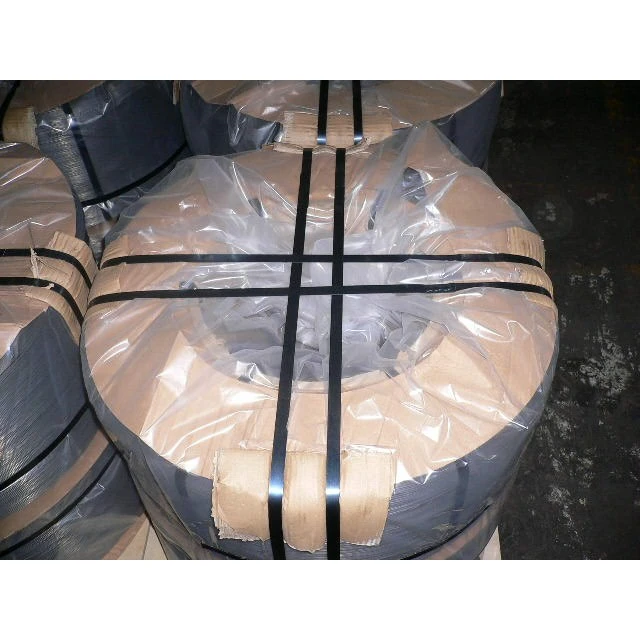

Our Commitment to Quality Flatness
As a leading supplier of Rectangular Steel Wire, we are committed to providing our customers with high-quality wire that meets or exceeds the industry standards for flatness. We have invested in state-of-the-art manufacturing equipment and advanced quality control systems to ensure the consistency and precision of our products.
Our experienced team of engineers and technicians carefully monitor every step of the manufacturing process to ensure that the wire's flatness is tightly controlled. We also work closely with our customers to understand their specific requirements and provide customized solutions to meet their needs.
Whether you are looking for Cold Rolled Flat Steel Wire Strips, Rectangular Steel Wire, or Round Steel Wire, you can trust us to deliver products with excellent flatness and other quality characteristics.
Contact Us for Your Rectangular Steel Wire Needs
If you are in the market for high-quality rectangular steel wire with precise flatness, we invite you to contact us to discuss your requirements. Our sales team is ready to assist you with product selection, technical support, and pricing information. We look forward to the opportunity to work with you and provide you with the best possible solutions for your rectangular steel wire needs.
References
- ASTM International. (2023). ASTM A510: Standard Specification for General Requirements for Wire Rods and Coils, Carbon Steel.
- International Organization for Standardization. (2023). ISO 16164: Steel - Measurement and Evaluation of Flatness of Strip and Sheet.