

How to maintain rectangular steel wire?
As a supplier of Rectangular Steel Wire, I understand the importance of proper maintenance to ensure its longevity and performance. In this blog post, I'll share some valuable insights on how to maintain rectangular steel wire effectively.
Understanding Rectangular Steel Wire
Rectangular steel wire is a versatile material widely used in various industries, including construction, manufacturing, and automotive. Its unique shape provides distinct advantages in applications where flat or rectangular cross - sections are required. Compared to Round Steel Wire, rectangular steel wire offers better surface contact and can be more easily integrated into specific designs.
Storage Conditions
The first step in maintaining rectangular steel wire is to store it properly. Steel wire is prone to corrosion, especially in humid or corrosive environments. Therefore, it should be stored in a dry, well - ventilated area. If possible, the storage facility should be climate - controlled to maintain a stable temperature and humidity level.
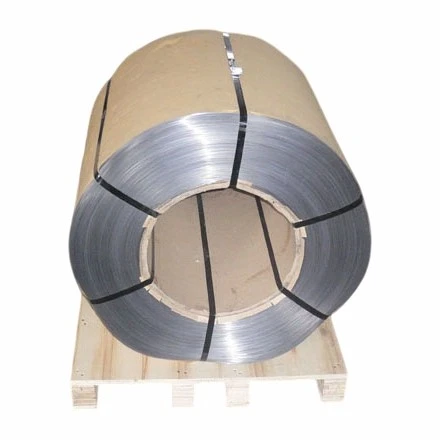

Avoid storing the wire directly on the ground. Instead, use pallets or racks to keep it elevated. This helps prevent moisture from seeping into the wire and causing rust. Additionally, cover the wire with a protective tarp or plastic sheeting to shield it from dust, dirt, and any potential chemical contaminants in the air.
Cleaning
Regular cleaning is essential to remove dirt, debris, and any corrosive substances that may accumulate on the surface of the rectangular steel wire. Use a mild detergent and a soft brush to gently scrub the wire. Avoid using abrasive materials or harsh chemicals, as they can damage the protective coating on the wire and accelerate corrosion.
After cleaning, rinse the wire thoroughly with clean water to remove any remaining detergent. Then, dry it completely using a clean cloth or allow it to air - dry in a well - ventilated area. Make sure there is no standing water on the wire, as this can lead to rust formation.
Coating and Protection
Applying a protective coating is an effective way to enhance the corrosion resistance of rectangular steel wire. There are several types of coatings available, such as zinc plating, epoxy coating, and powder coating.
Zinc plating is a popular choice as it provides a sacrificial layer of protection. The zinc corrodes first, protecting the underlying steel from rust. Epoxy coatings offer excellent chemical resistance and can be used in more demanding environments. Powder coating, on the other hand, provides a durable and aesthetically pleasing finish.
Before applying any coating, ensure that the wire surface is clean and dry. Follow the manufacturer's instructions carefully for the application process, including the recommended thickness and curing time.
Inspection
Regular inspection is crucial to detect any signs of damage or corrosion early. Check the wire for any visible cracks, scratches, or areas of rust. Pay special attention to the joints and bends, as these areas are more susceptible to stress and damage.
If you notice any minor damage, such as a small scratch, you can touch up the protective coating immediately to prevent further corrosion. For more severe damage, such as large areas of rust or significant cracks, it may be necessary to replace the affected section of the wire.
Handling
Proper handling of rectangular steel wire is also important to prevent damage. When moving or transporting the wire, use appropriate lifting equipment, such as slings or forklifts, to avoid bending or kinking the wire.
During installation, ensure that the wire is properly tensioned and secured. Over - tensioning can cause the wire to break, while under - tensioning may result in sagging and reduced performance. Follow the installation guidelines provided by the manufacturer to ensure correct installation.
Compatibility with Other Materials
When using rectangular steel wire in combination with other materials, it's important to consider their compatibility. Some materials may react with the steel wire, causing corrosion or other forms of damage. For example, if the wire is in contact with certain types of metals or chemicals, it may experience galvanic corrosion.
Before using the wire in a multi - material system, conduct compatibility tests or consult with a materials expert to ensure that there will be no adverse reactions.
Comparison with Cold Rolled Flat Steel Wire Strips
Cold Rolled Flat Steel Wire Strips are similar to rectangular steel wire in some ways but also have their own characteristics. Cold rolled flat steel wire strips are often produced with a higher degree of precision and may have a smoother surface finish. However, rectangular steel wire offers more flexibility in terms of cross - sectional dimensions and can be customized to meet specific requirements.
When choosing between the two, consider the specific application requirements, such as load - bearing capacity, corrosion resistance, and aesthetic preferences.
Maintenance Schedule
Establishing a regular maintenance schedule is key to keeping rectangular steel wire in optimal condition. Depending on the application and the environment, the maintenance frequency may vary. For example, in a harsh industrial environment, more frequent inspections and cleaning may be required compared to a less demanding indoor application.
Create a maintenance log to record all maintenance activities, including cleaning, coating applications, and inspections. This log can help you track the condition of the wire over time and identify any emerging issues.
Conclusion
Maintaining rectangular steel wire is a multi - faceted process that involves proper storage, cleaning, coating, inspection, and handling. By following these guidelines, you can extend the lifespan of the wire, ensure its performance, and reduce the risk of costly repairs or replacements.
If you're in the market for high - quality Rectangular Steel Wire or have any questions about its maintenance, feel free to visit our product page Rectangular Steel Wire. We're here to assist you with your procurement needs and provide you with the best solutions for your projects. Contact us today to start a discussion about your requirements and explore how our rectangular steel wire can meet your specific needs.
References
- "Steel Wire Handbook" - A comprehensive guide on the properties and applications of steel wire.
- Manufacturer's specifications and guidelines for rectangular steel wire products.
- Industry standards and best practices for steel wire maintenance.