

What is the effect of chemical fumes on brass coated steel wire?
As a supplier of Brass Coated Steel Wire, I've witnessed firsthand the importance of understanding how various environmental factors can impact the quality and performance of our products. One such factor that often goes unnoticed but can have significant effects is chemical fumes. In this blog post, I'll delve into the effects of chemical fumes on brass coated steel wire, exploring the science behind it and providing insights for our customers.
Understanding Brass Coated Steel Wire
Before we dive into the effects of chemical fumes, let's first understand what brass coated steel wire is. Brass coated steel wire is a type of wire that consists of a steel core coated with a layer of brass. The brass coating provides several benefits, including improved corrosion resistance, better solderability, and enhanced adhesion to rubber in applications such as tire reinforcement.
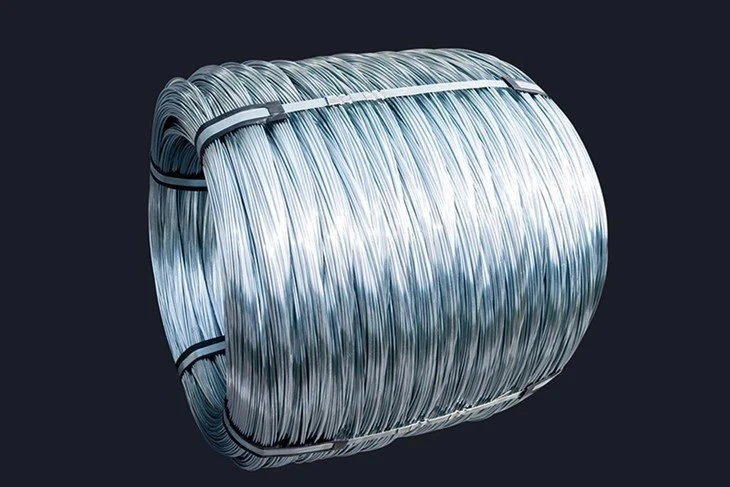
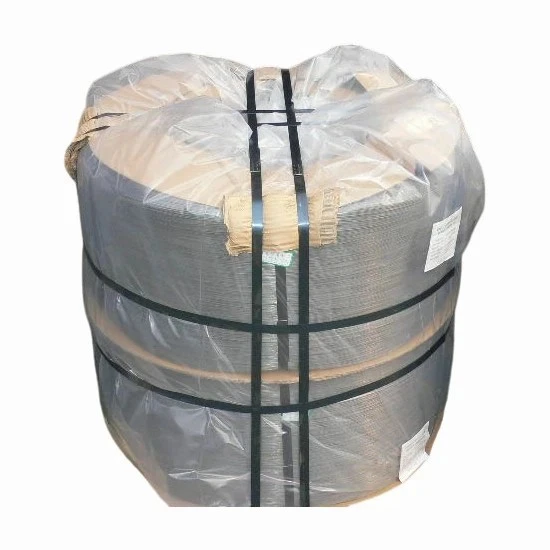
The steel core provides the wire with its strength and durability, while the brass coating acts as a protective barrier against environmental factors. However, this protective barrier can be compromised when exposed to certain chemical fumes, leading to various issues.
Types of Chemical Fumes and Their Effects
There are several types of chemical fumes that can come into contact with brass coated steel wire, each with its own set of effects. Here are some of the most common types of chemical fumes and how they can impact the wire:
Acidic Fumes
Acidic fumes, such as those containing sulfur dioxide (SO₂) or nitrogen oxides (NOₓ), can react with the brass coating on the steel wire. These fumes are often produced by industrial processes, power plants, and vehicle emissions. When the brass coating comes into contact with acidic fumes, a chemical reaction occurs, leading to the formation of metal salts and corrosion products.
The corrosion process can start with the dissolution of the brass coating, exposing the underlying steel core. As the corrosion progresses, the wire's mechanical properties can be significantly affected, leading to a reduction in strength and ductility. In severe cases, the wire may become brittle and prone to breakage.
Alkaline Fumes
Alkaline fumes, such as those containing ammonia (NH₃), can also have a detrimental effect on brass coated steel wire. Ammonia is commonly used in industrial cleaning products, refrigeration systems, and agricultural applications. When the brass coating is exposed to alkaline fumes, it can react with the ammonia to form complex compounds.
These compounds can cause the brass coating to become porous and lose its protective properties. As a result, the underlying steel core becomes more susceptible to corrosion. The corrosion process can lead to the formation of rust on the wire, which can further weaken its structure and reduce its lifespan.
Oxidizing Fumes
Oxidizing fumes, such as those containing ozone (O₃) or chlorine (Cl₂), can cause oxidation of the brass coating on the steel wire. Ozone is a highly reactive gas that is often present in the atmosphere, especially in urban areas with high levels of air pollution. Chlorine is commonly used in water treatment plants, swimming pools, and industrial processes.
When the brass coating is exposed to oxidizing fumes, it can react with the oxygen or chlorine to form metal oxides. These oxides can cause the brass coating to become discolored and lose its luster. In addition, the oxidation process can weaken the brass coating, making it more prone to corrosion and wear.
Factors Affecting the Impact of Chemical Fumes
The impact of chemical fumes on brass coated steel wire can vary depending on several factors, including:
Concentration of the Fumes
The concentration of the chemical fumes in the environment plays a crucial role in determining the extent of the damage to the wire. Higher concentrations of fumes can lead to more rapid corrosion and degradation of the brass coating. For example, in industrial areas with high levels of air pollution, the wire may be exposed to higher concentrations of acidic or oxidizing fumes, increasing the risk of corrosion.
Duration of Exposure
The longer the brass coated steel wire is exposed to chemical fumes, the greater the damage. Prolonged exposure can allow the chemical reactions to progress further, leading to more extensive corrosion and degradation of the wire. In some cases, even low concentrations of fumes can cause significant damage if the exposure is continuous over a long period of time.
Temperature and Humidity
Temperature and humidity can also affect the impact of chemical fumes on brass coated steel wire. Higher temperatures can accelerate the chemical reactions between the fumes and the brass coating, leading to more rapid corrosion. Humidity can provide the necessary moisture for the corrosion process to occur, especially in the presence of acidic or alkaline fumes.
Preventive Measures
As a supplier of Brass Coated Steel Wire, we understand the importance of protecting our products from the effects of chemical fumes. Here are some preventive measures that can be taken to minimize the impact of chemical fumes on the wire:
Proper Storage
Storing the brass coated steel wire in a clean, dry environment can help prevent exposure to chemical fumes. The storage area should be well-ventilated to reduce the concentration of fumes in the air. In addition, the wire should be stored away from sources of chemical fumes, such as industrial processes or chemical storage areas.
Coating Thickness
Using a thicker brass coating can provide better protection against chemical fumes. A thicker coating can act as a more effective barrier, reducing the rate of corrosion and degradation. However, it's important to note that increasing the coating thickness may also increase the cost of the wire.
Surface Treatment
Applying a surface treatment to the brass coated steel wire can enhance its resistance to chemical fumes. For example, a passivation treatment can be used to form a thin, protective layer on the surface of the brass coating, preventing the chemical fumes from coming into direct contact with the wire.
Other Coated Steel Wire Options
In addition to brass coated steel wire, we also offer other types of coated steel wire that may be more suitable for environments with high levels of chemical fumes. These include:
- Tin Plated Bronze Steel Wire: Tin plated bronze steel wire offers excellent corrosion resistance and is often used in applications where the wire is exposed to harsh environments.
- Tin Plated Copper Steel Wire: Tin plated copper steel wire provides good electrical conductivity and corrosion resistance, making it suitable for electrical and electronic applications.
- Hot Dipped Galvanized Steel Wire: Hot dipped galvanized steel wire is coated with a layer of zinc, which provides excellent corrosion resistance. It is commonly used in outdoor applications where the wire is exposed to the elements.
Conclusion
Chemical fumes can have a significant impact on the quality and performance of brass coated steel wire. Understanding the types of chemical fumes and their effects, as well as the factors that affect the impact, is crucial for ensuring the longevity and reliability of the wire. By taking preventive measures and considering other coated steel wire options, customers can minimize the risk of damage to the wire and ensure its optimal performance.
If you're interested in learning more about our Brass Coated Steel Wire or other coated steel wire products, or if you have any questions about the effects of chemical fumes on the wire, please don't hesitate to contact us. We're here to help you find the right solution for your specific needs.
References
- ASTM International. (20XX). Standard Specification for Steel Wire, Zinc-Coated (Galvanized) or Zinc-Iron Alloy-Coated by the Hot-Dip Process.
- Corrosion Doctors. (20XX). Corrosion of Brass.
- NACE International. (20XX). Corrosion Basics: An Introduction.