

How to measure the diameter of stainless steel wire accurately?
Hey there! As a stainless steel wire supplier, I've been in the business for quite a while, and I know how crucial it is to measure the diameter of stainless steel wire accurately. Whether you're using it for construction, manufacturing, or any other application, getting the right diameter is key to ensuring the quality and performance of your projects. In this blog post, I'm gonna share some tips and methods on how to measure the diameter of stainless steel wire accurately.
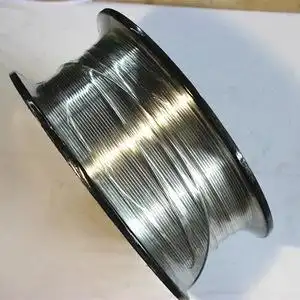
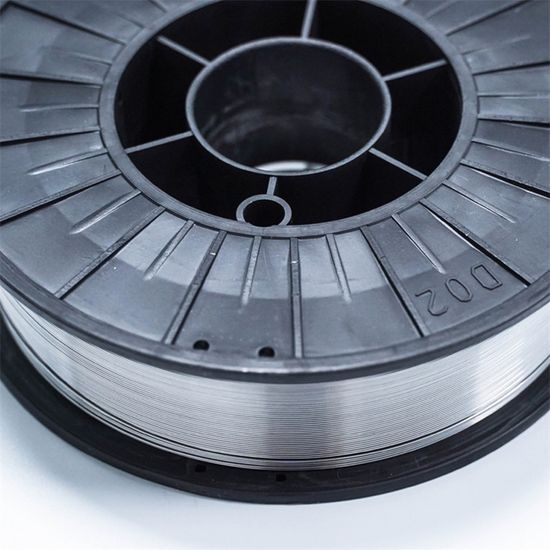
Why Accurate Diameter Measurement Matters
First off, let's talk about why accurate diameter measurement is so important. The diameter of stainless steel wire directly affects its strength, flexibility, and conductivity. If the diameter is too large or too small, it can lead to problems such as poor fit, reduced performance, and even safety hazards. For example, in electrical applications, an incorrect wire diameter can cause overheating and short circuits. In construction, it can affect the structural integrity of the building. So, getting the diameter right is essential for the success of your projects.
Tools for Measuring Stainless Steel Wire Diameter
Now, let's look at the tools you can use to measure the diameter of stainless steel wire. There are several options available, each with its own advantages and disadvantages.
Caliper
A caliper is one of the most common tools for measuring wire diameter. It's a precise instrument that can measure both the outside and inside diameters of objects. There are two types of calipers: digital and mechanical. Digital calipers are more accurate and easier to read, while mechanical calipers are more affordable and don't require batteries. To use a caliper, simply open the jaws and place the wire between them. Then, close the jaws until they touch the wire gently. Read the measurement on the caliper display or scale.
Micrometer
A micrometer is another precision measuring tool that can be used to measure wire diameter. It's more accurate than a caliper and can measure to within a few thousandths of an inch. There are two types of micrometers: outside and inside. Outside micrometers are used to measure the outside diameter of objects, while inside micrometers are used to measure the inside diameter. To use a micrometer, place the wire between the anvil and spindle. Then, turn the thimble until the spindle touches the wire gently. Read the measurement on the sleeve and thimble.
Optical Comparator
An optical comparator is a high-precision measuring tool that uses a magnified image of the wire to measure its diameter. It's ideal for measuring small or thin wires that are difficult to measure with other tools. To use an optical comparator, place the wire on the stage and adjust the focus and magnification. Then, use the crosshairs or measuring scale on the screen to measure the diameter of the wire.
Methods for Measuring Stainless Steel Wire Diameter
In addition to using the right tools, there are also several methods you can use to measure the diameter of stainless steel wire accurately.
Single Measurement
The simplest method is to take a single measurement of the wire diameter using a caliper or micrometer. This method is quick and easy, but it may not be very accurate if the wire is not perfectly round or if there are variations in the diameter along the length of the wire.
Multiple Measurements
To get a more accurate measurement, you can take multiple measurements of the wire diameter at different points along its length. Then, calculate the average of these measurements. This method helps to reduce the effects of any variations in the diameter and gives you a more accurate representation of the wire's true diameter.
Coating Thickness Measurement
If the stainless steel wire has a coating, such as a galvanized or painted coating, you need to measure the coating thickness separately and subtract it from the total diameter measurement to get the actual wire diameter. You can use a coating thickness gauge to measure the coating thickness.
Tips for Accurate Measurement
Here are some tips to help you get the most accurate measurement of the stainless steel wire diameter:
- Clean the Wire: Before measuring the wire diameter, make sure to clean the wire thoroughly to remove any dirt, oil, or debris that could affect the measurement.
- Use the Right Tool: Choose the right tool for the job based on the size and shape of the wire and the level of accuracy you need.
- Measure at the Right Location: Measure the wire diameter at a point where it is straight and free from any bends or kinks.
- Take Multiple Measurements: As mentioned earlier, taking multiple measurements and calculating the average can help to improve the accuracy of your measurement.
- Be Gentle: When using a caliper or micrometer, make sure to apply gentle pressure to avoid deforming the wire.
Conclusion
Measuring the diameter of stainless steel wire accurately is essential for ensuring the quality and performance of your projects. By using the right tools, methods, and tips, you can get the most accurate measurement possible. If you have any questions or need further assistance with measuring the diameter of stainless steel wire, feel free to contact us. We're a leading supplier of Alloy Steel Wire and Cold Drawn Stainless Steel Wire, and we're always happy to help. Whether you're looking for high-quality stainless steel wire for your next project or need advice on wire selection and measurement, we've got you covered. So, don't hesitate to reach out and let's start a conversation about your stainless steel wire needs.
References
- ASTM A313/A313M - Standard Specification for Stainless Steel Spring Wire
- ISO 1101 - Geometrical Product Specifications (GPS) - Geometrical tolerancing - Tolerances of form, orientation, location and run-out