

What is the influence of pretreatment on electrolytic phosphating?
As a seasoned supplier in the field of electrolytic phosphating, I've witnessed firsthand the pivotal role that pretreatment plays in the overall quality and effectiveness of the phosphating process. In this blog post, I'll delve into the various aspects of how pretreatment impacts electrolytic phosphating, sharing insights based on years of experience and industry knowledge.
Understanding Electrolytic Phosphating
Before we explore the influence of pretreatment, let's briefly recap what electrolytic phosphating is. Electrolytic phosphating is a surface treatment process that involves depositing a phosphate coating on a metal substrate through an electrochemical reaction. This coating provides several benefits, including corrosion resistance, improved paint adhesion, and enhanced lubricity, making it widely used in industries such as automotive, aerospace, and manufacturing.
The Significance of Pretreatment
Pretreatment is the preparatory stage before the actual electrolytic phosphating process. It involves a series of steps designed to clean, degrease, and activate the metal surface, ensuring optimal conditions for the phosphate coating to form. The quality of pretreatment directly affects the performance and durability of the final phosphated product.
Surface Cleaning and Degreasing
One of the primary objectives of pretreatment is to remove contaminants such as oil, grease, dirt, and rust from the metal surface. These contaminants can interfere with the phosphating reaction, preventing the formation of a uniform and adherent phosphate coating. By thoroughly cleaning and degreasing the surface, we can ensure that the phosphating solution comes into direct contact with the metal substrate, promoting a more efficient and effective reaction.

There are various methods for surface cleaning and degreasing, including alkaline cleaning, solvent cleaning, and ultrasonic cleaning. Each method has its advantages and limitations, and the choice of method depends on the type and severity of the contaminants, as well as the nature of the metal substrate.
Surface Activation
In addition to cleaning and degreasing, pretreatment also involves surface activation to enhance the reactivity of the metal surface. This can be achieved through processes such as acid pickling, which removes the oxide layer on the metal surface and exposes fresh metal atoms. Surface activation promotes the formation of a more uniform and dense phosphate coating, improving its corrosion resistance and adhesion properties.
Influence on Coating Quality
The quality of the pretreatment process has a direct impact on the quality of the phosphate coating. A well-pretreated surface will result in a uniform, dense, and adherent phosphate coating, while a poorly pretreated surface may lead to coating defects such as pinholes, blisters, and uneven thickness. These defects can compromise the performance and durability of the phosphated product, increasing the risk of corrosion and premature failure.
Influence on Coating Thickness and Morphology
Pretreatment can also affect the thickness and morphology of the phosphate coating. A properly pretreated surface will allow for better control over the coating thickness, ensuring that it meets the required specifications. Additionally, pretreatment can influence the crystal structure and morphology of the phosphate coating, which can impact its corrosion resistance and other properties.
Impact on Process Efficiency and Cost
In addition to its influence on coating quality, pretreatment also plays a crucial role in process efficiency and cost. A well-designed pretreatment process can reduce the time and energy required for the electrolytic phosphating process, improving productivity and reducing operating costs. On the other hand, a poorly optimized pretreatment process can lead to longer processing times, increased chemical consumption, and higher waste generation, resulting in higher costs and lower efficiency.
Process Optimization
To achieve optimal process efficiency and cost-effectiveness, it's essential to optimize the pretreatment process based on the specific requirements of the electrolytic phosphating application. This may involve adjusting the cleaning and degreasing parameters, selecting the appropriate surface activation method, and ensuring proper rinsing and drying after pretreatment.
Waste Reduction
Another important aspect of pretreatment is waste reduction. By minimizing the use of chemicals and water in the pretreatment process, we can reduce the environmental impact and lower the cost of waste disposal. This can be achieved through techniques such as recycling and reuse of cleaning solutions, as well as implementing water conservation measures.
Our Electrolytic Phosphating Products
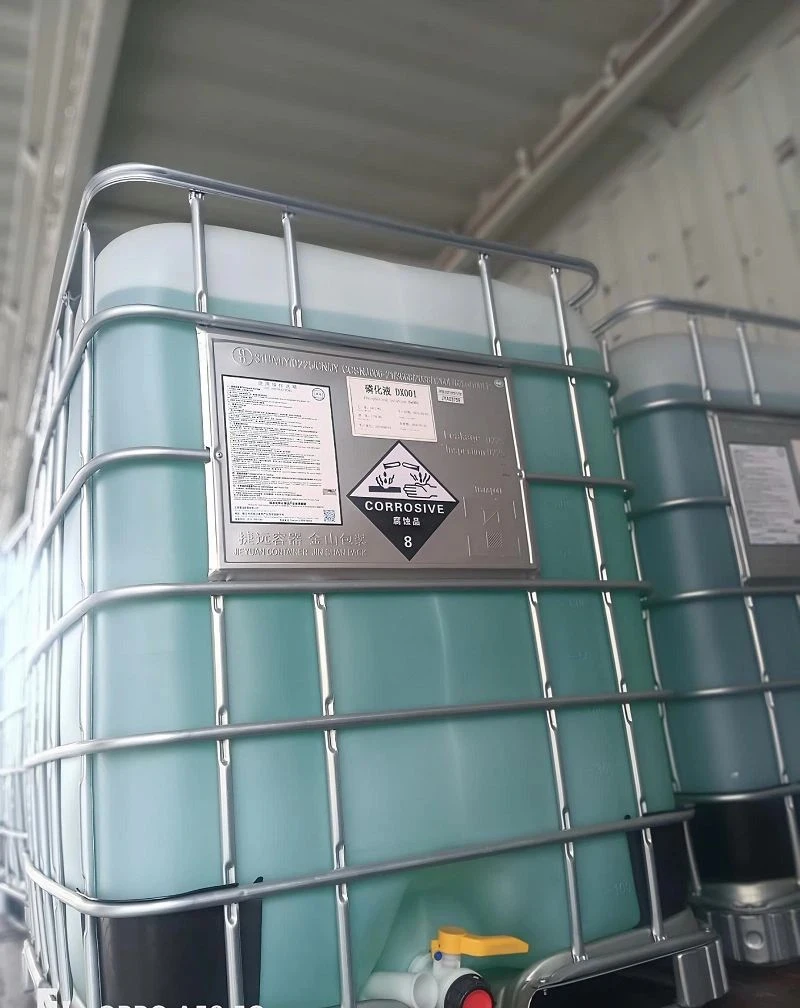
As an electrolytic phosphating supplier, we offer a range of high-quality phosphating agents designed to meet the diverse needs of our customers. Our Hot-rolled Wire Rod Phosphatizing Agents are specifically formulated for the phosphating of hot-rolled wire rods, providing excellent corrosion resistance and lubricity. Our Online Multi-filament Electrolytic Phosphatizing Agents are ideal for the continuous phosphating of multi-filament wires, ensuring uniform coating thickness and high productivity.
Conclusion
In conclusion, pretreatment is a critical step in the electrolytic phosphating process, with a significant impact on coating quality, process efficiency, and cost. By understanding the influence of pretreatment and implementing proper pretreatment procedures, we can ensure the production of high-quality phosphated products that meet the stringent requirements of various industries.
If you're interested in learning more about our electrolytic phosphating products or discussing your specific phosphating needs, please don't hesitate to contact us. Our team of experts is ready to provide you with personalized solutions and support to help you achieve the best results.
References
- Smith, J. (2018). Electrolytic Phosphating: Principles and Applications. CRC Press.
- Jones, A. (2019). Surface Pretreatment for Metal Coating. Wiley.
- Brown, C. (2020). Advances in Phosphating Technology. Elsevier.