

How to measure the hardness of uncoated steel wire?
Measuring the hardness of uncoated steel wire is a critical process that directly impacts its performance and suitability for various applications. As a supplier of Uncoated Steel Wire, I understand the importance of providing accurate information about the hardness of our products to our customers. In this blog post, I will discuss the different methods of measuring the hardness of uncoated steel wire and why it matters.
Why Measuring Hardness is Important
Hardness is a fundamental property of steel wire that determines its resistance to deformation, wear, and abrasion. In applications such as construction, automotive manufacturing, and wire mesh production, the hardness of the steel wire can significantly affect the quality and durability of the final product. For example, in the construction industry, steel wires with appropriate hardness are used in reinforcement bars to ensure the structural integrity of buildings. In automotive manufacturing, hard steel wires are used in springs and suspension systems to withstand high stress and repeated loading.
Common Methods for Measuring Hardness
There are several methods available for measuring the hardness of uncoated steel wire. Each method has its advantages and limitations, and the choice of method depends on factors such as the size of the wire, the required accuracy, and the available equipment.
Rockwell Hardness Test
The Rockwell hardness test is one of the most widely used methods for measuring the hardness of metals, including uncoated steel wire. This test involves applying a minor load followed by a major load to the surface of the wire using a diamond cone or a hardened steel ball indenter. The depth of penetration of the indenter is measured, and the hardness value is determined based on the difference in penetration depth between the minor and major loads.
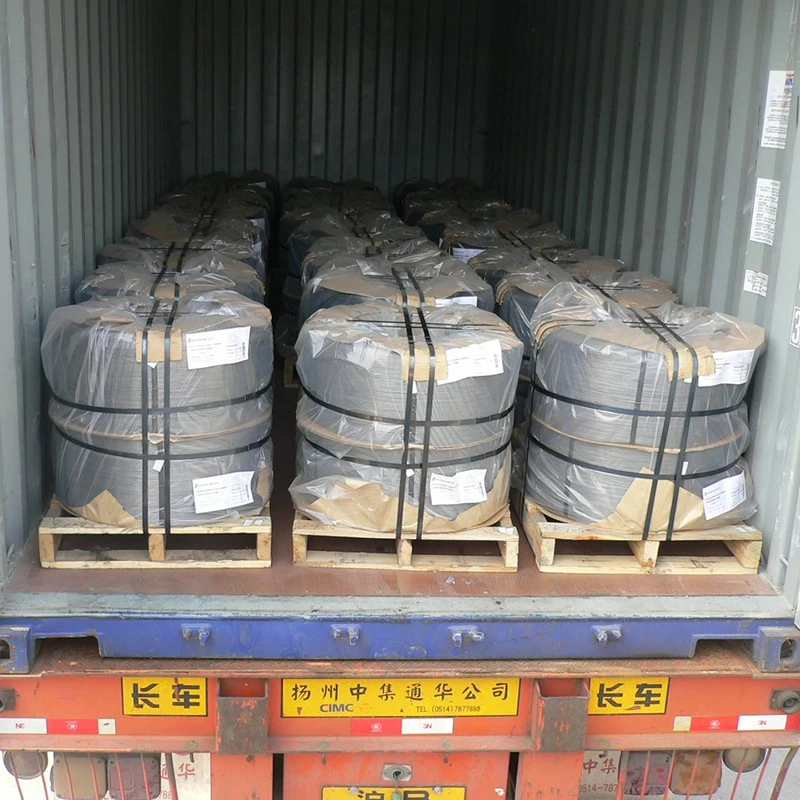
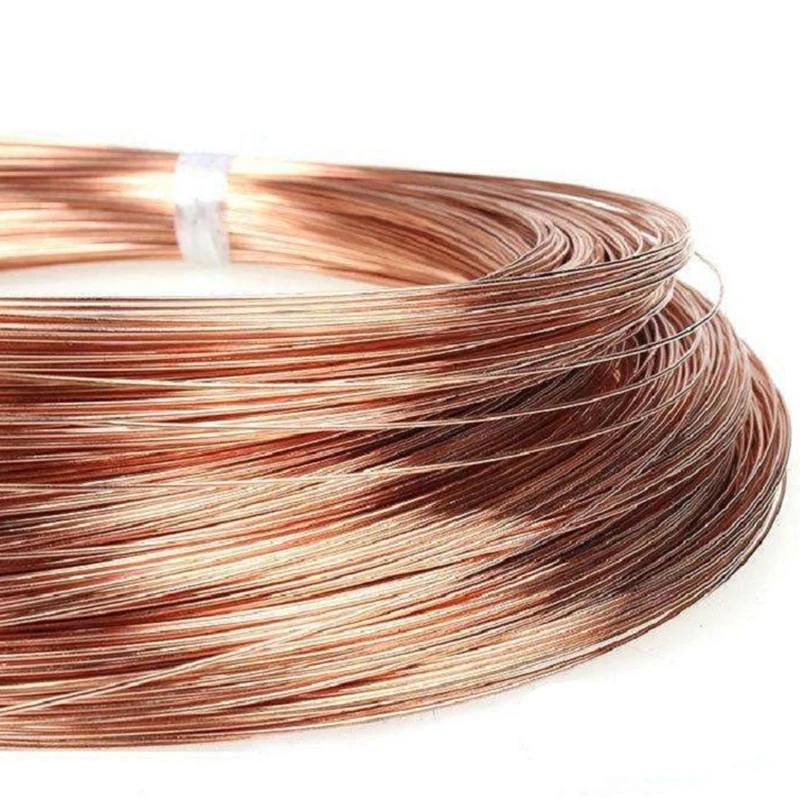
The Rockwell hardness test is relatively quick and easy to perform, and it provides accurate results for a wide range of hardness values. However, it requires a relatively large sample size and may not be suitable for very thin or small-diameter wires.
Brinell Hardness Test
The Brinell hardness test is another commonly used method for measuring the hardness of metals. In this test, a hardened steel ball of a specified diameter is pressed into the surface of the wire under a known load for a specified period of time. The diameter of the indentation left on the surface of the wire is measured, and the hardness value is calculated based on the load and the diameter of the indentation.
The Brinell hardness test is suitable for measuring the hardness of large or thick uncoated steel wires. It provides a more accurate measurement of the average hardness of the material compared to the Rockwell test. However, it is a more time-consuming and destructive test, as it leaves a relatively large indentation on the surface of the wire.
Vickers Hardness Test
The Vickers hardness test is a microhardness test that is often used for measuring the hardness of small or thin materials, including uncoated steel wire. This test involves applying a small load to the surface of the wire using a square-based diamond pyramid indenter. The diagonal length of the indentation left on the surface of the wire is measured, and the hardness value is calculated based on the load and the diagonal length of the indentation.
The Vickers hardness test is a very accurate method for measuring the hardness of uncoated steel wire, especially for small or thin wires. It can also be used to measure the hardness of different phases or microstructures within the wire. However, it requires a high level of skill and precision to perform, and it is a relatively expensive and time-consuming test.
Factors Affecting the Hardness of Uncoated Steel Wire
The hardness of uncoated steel wire is influenced by several factors, including the chemical composition of the steel, the heat treatment process, and the manufacturing process.
Chemical Composition
The chemical composition of the steel plays a significant role in determining its hardness. Elements such as carbon, manganese, chromium, and nickel can increase the hardness of the steel by forming hard carbides or solid solutions. For example, high-carbon steel wires are generally harder than low-carbon steel wires.
Heat Treatment
Heat treatment is a process used to modify the microstructure and properties of the steel wire. Processes such as quenching and tempering can significantly increase the hardness of the wire. Quenching involves rapidly cooling the wire from a high temperature to room temperature, which results in the formation of a hard and brittle martensite microstructure. Tempering is then used to reduce the brittleness and improve the toughness of the wire.
Manufacturing Process
The manufacturing process of the uncoated steel wire can also affect its hardness. Processes such as cold drawing and rolling can increase the hardness of the wire by work hardening. Cold drawing involves pulling the wire through a series of dies to reduce its diameter and increase its length. This process causes the grains in the steel to deform and become elongated, resulting in an increase in hardness.
Our Commitment to Quality
As a supplier of Uncoated Steel Wire, we are committed to providing our customers with high-quality products that meet their specific requirements. We use advanced testing equipment and techniques to ensure that the hardness of our uncoated steel wire is within the specified range. Our quality control team conducts regular inspections and tests throughout the manufacturing process to ensure the consistency and reliability of our products.
In addition to uncoated steel wire, we also offer a range of coated steel wires, including Tin Plated Bronze Steel Wire and Hot Dipped Galvanized Steel Wire. These coated wires offer additional protection against corrosion and wear, making them suitable for a wider range of applications.
Contact Us for Your Steel Wire Needs
If you are in the market for high-quality uncoated or coated steel wire, we invite you to contact us. Our team of experts is available to answer your questions, provide technical support, and help you select the right wire for your application. We offer competitive prices, fast delivery, and excellent customer service.
Whether you need a small quantity of steel wire for a prototype or a large volume for a production project, we can meet your needs. Contact us today to discuss your requirements and get a quote.
References
- ASM Handbook Volume 8: Mechanical Testing and Evaluation. ASM International.
- ASTM Standards for Hardness Testing of Metals. ASTM International.
- Metals Handbook Desk Edition, 3rd Edition. ASM International.