

How to prevent carbon steel wire from rusting?
As a supplier of carbon steel wire, I've witnessed firsthand the challenges that come with preventing rust on this essential material. Carbon steel wire is a versatile product used in numerous industries, from construction to automotive, due to its strength and durability. However, its susceptibility to rust can significantly impact its performance and lifespan. In this blog post, I'll share some effective strategies to prevent carbon steel wire from rusting, ensuring that it maintains its quality and functionality over time.
Understanding the Rusting Process
Before delving into prevention methods, it's crucial to understand why carbon steel wire rusts. Rust is a form of corrosion that occurs when iron in the steel reacts with oxygen in the presence of water or moisture. This chemical reaction forms iron oxide, which appears as a reddish-brown coating on the surface of the wire. Factors such as humidity, temperature, and exposure to chemicals can accelerate the rusting process.
Coating and Plating
One of the most common and effective ways to prevent rust on carbon steel wire is through coating and plating. These methods create a barrier between the steel and the environment, preventing oxygen and moisture from reaching the surface.
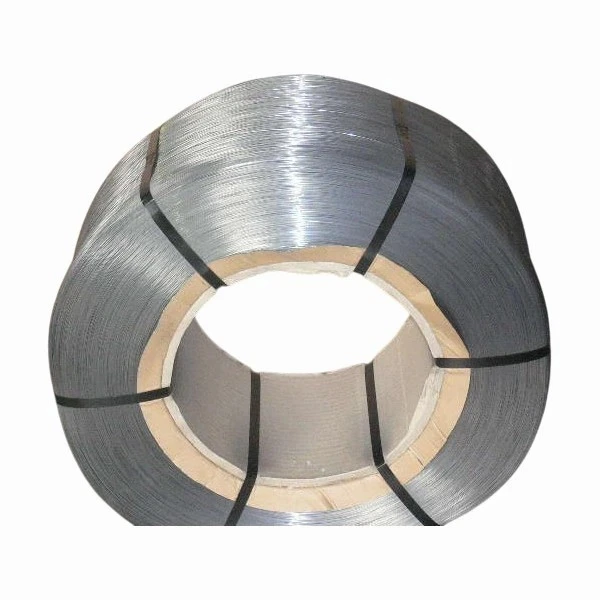
- Galvanizing: Galvanizing involves coating the carbon steel wire with a layer of zinc. Zinc is a sacrificial metal, meaning it corrodes before the steel does. When the zinc layer is exposed to oxygen and moisture, it forms a protective layer of zinc oxide and zinc hydroxide, which prevents further corrosion of the steel. Galvanized carbon steel wire is widely used in outdoor applications, such as fencing and electrical wiring, due to its excellent corrosion resistance.
- Electroplating: Electroplating is a process that uses an electric current to deposit a thin layer of metal, such as nickel or chromium, onto the surface of the carbon steel wire. This layer provides a protective barrier against rust and also enhances the wire's appearance. Electroplated carbon steel wire is commonly used in decorative applications, such as jewelry and furniture.
- Painting and Powder Coating: Painting and powder coating are also effective ways to protect carbon steel wire from rust. Paint and powder coatings create a physical barrier between the steel and the environment, preventing oxygen and moisture from reaching the surface. These coatings can be customized to provide different levels of protection and aesthetic appeal.
Proper Storage and Handling
Proper storage and handling of carbon steel wire are essential to prevent rust. Here are some tips to keep in mind:
- Store in a Dry Environment: Carbon steel wire should be stored in a dry environment with low humidity. Moisture is the primary cause of rust, so keeping the wire dry can significantly reduce the risk of corrosion. If possible, store the wire in a climate-controlled warehouse or storage facility.
- Avoid Contact with Water and Chemicals: Carbon steel wire should be kept away from water and chemicals, as these can accelerate the rusting process. If the wire comes into contact with water, it should be dried immediately to prevent rust from forming.
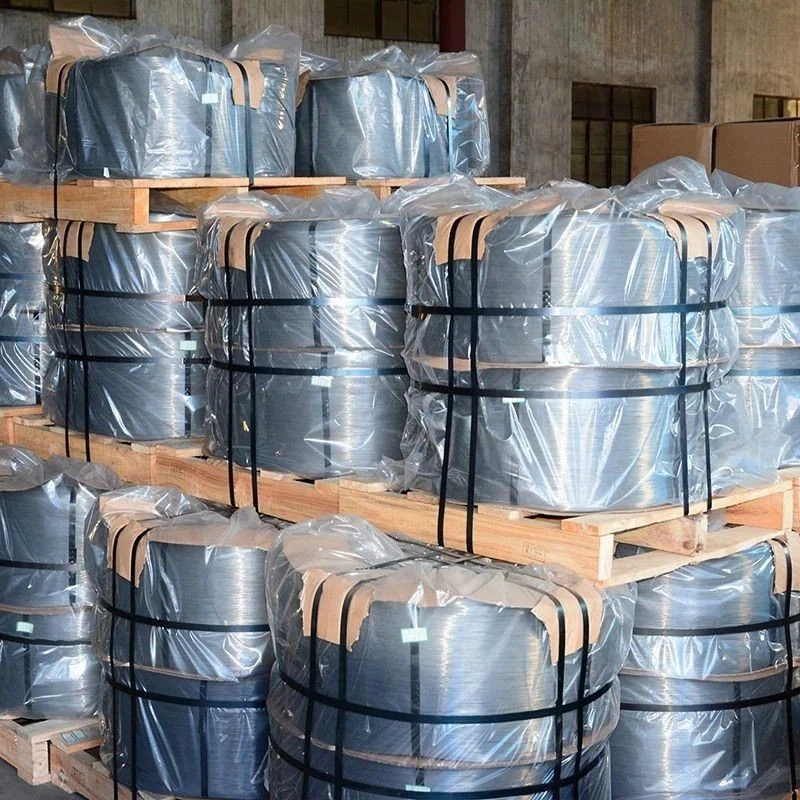
- Use Protective Packaging: When transporting or storing carbon steel wire, it should be protected with appropriate packaging materials, such as plastic bags or shrink wrap. This can help prevent moisture and dust from coming into contact with the wire.
- Handle with Care: Carbon steel wire should be handled with care to avoid scratching or damaging the surface. Scratches and damage can expose the steel to oxygen and moisture, increasing the risk of rust.
Regular Inspection and Maintenance
Regular inspection and maintenance of carbon steel wire can help detect and prevent rust before it becomes a major problem. Here are some steps to take:
- Inspect the Wire Regularly: Check the carbon steel wire regularly for signs of rust, such as discoloration or flaking. If rust is detected, it should be removed immediately to prevent further corrosion.
- Clean the Wire: If the wire is dirty or contaminated, it should be cleaned using a mild detergent and water. Avoid using abrasive cleaners or tools, as these can scratch the surface of the wire and increase the risk of rust.
- Apply a Protective Coating: If the wire has been exposed to the elements or is at risk of rust, consider applying a protective coating, such as a rust inhibitor or lubricant. This can help prevent rust from forming and extend the lifespan of the wire.
Use of Rust Inhibitors
Rust inhibitors are chemicals that can be applied to the surface of carbon steel wire to prevent rust from forming. These inhibitors work by forming a protective layer on the surface of the steel, which prevents oxygen and moisture from reaching the surface. There are several types of rust inhibitors available, including:
- Vapor Phase Inhibitors (VPIs): VPIs are chemicals that vaporize and form a protective layer on the surface of the steel. These inhibitors are commonly used in packaging materials, such as plastic bags and paper, to protect carbon steel wire during storage and transportation.
- Liquid Rust Inhibitors: Liquid rust inhibitors are applied directly to the surface of the carbon steel wire using a brush, spray, or dip. These inhibitors can provide long-term protection against rust and are commonly used in industrial applications.
- Rust Preventive Oils: Rust preventive oils are lubricants that contain rust inhibitors. These oils can be applied to the surface of the carbon steel wire to provide a protective layer and also reduce friction and wear.
Conclusion
Preventing rust on carbon steel wire is essential to ensure its performance and lifespan. By understanding the rusting process and implementing effective prevention strategies, such as coating and plating, proper storage and handling, regular inspection and maintenance, and the use of rust inhibitors, you can protect your carbon steel wire from corrosion and ensure that it remains in good condition for years to come.
As a carbon steel wire supplier, we offer a wide range of products, including High Carbon Steel Wire Rope, Cold Drawn High Carbon Steel Wire, and Cold Drawn Low Carbon Steel Wire. Our products are manufactured using high-quality materials and advanced production techniques to ensure superior quality and performance. If you're interested in purchasing carbon steel wire or have any questions about rust prevention, please don't hesitate to contact us. We're here to help you find the right solution for your needs.
References
- ASM Handbook, Volume 13A: Corrosion: Fundamentals, Testing, and Protection. ASM International.
- Corrosion Basics: An Introduction to Corrosion. NACE International.
- Handbook of Corrosion Engineering. McGraw-Hill.