

How to store oil tempered steel wire properly?
Storing oil tempered steel wire properly is crucial for maintaining its quality and performance. As a supplier of Oil Tempered Steel Wire, I understand the significance of proper storage and its impact on the product's integrity. In this blog post, I will share some essential guidelines on how to store oil tempered steel wire to ensure its longevity and optimal functionality.
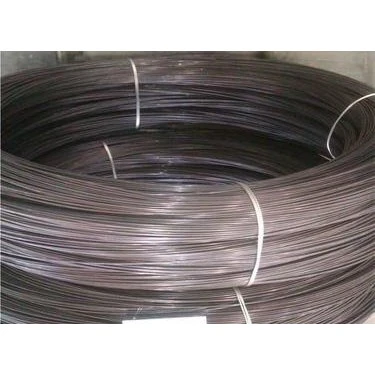

Understanding Oil Tempered Steel Wire
Before delving into the storage methods, it's important to have a basic understanding of oil tempered steel wire. Oil tempered steel wire is a high - strength wire that undergoes a specialized heat - treatment process, which involves quenching the wire in oil. This process enhances the wire's strength, toughness, and resistance to fatigue. It is commonly used in various industries, such as automotive, construction, and manufacturing, for applications like springs, cables, and fasteners. You can learn more about it on our Oil Tempered Steel Wire page.
Factors Affecting the Storage of Oil Tempered Steel Wire
Several factors can influence the quality of oil tempered steel wire during storage. These include environmental conditions, handling, and packaging.
Environmental Conditions
- Temperature: Extreme temperatures can have a negative impact on the properties of oil tempered steel wire. High temperatures can cause the wire to lose its temper, reducing its strength and flexibility. On the other hand, low temperatures can make the wire brittle. The ideal storage temperature for oil tempered steel wire is between 10°C and 30°C (50°F and 86°F).
- Humidity: Moisture is one of the biggest enemies of steel wire. High humidity levels can lead to corrosion, which can weaken the wire and reduce its lifespan. It is recommended to store the wire in an environment with a relative humidity of less than 60%.
- Air Quality: Polluted air containing chemicals, such as sulfur dioxide and chlorine, can accelerate the corrosion process. Therefore, the storage area should be well - ventilated and away from sources of pollution.
Handling
- Physical Damage: Improper handling during storage can cause physical damage to the wire, such as scratches, dents, and kinks. These damages can act as stress concentrators, increasing the risk of wire breakage during use. When moving or stacking the wire, it is important to use appropriate handling equipment, such as forklifts with soft pads, to avoid direct contact with sharp edges.
- Tension: Excessive tension on the wire during storage can also affect its properties. The wire should be stored in a relaxed state to prevent internal stress buildup.
Packaging
- Initial Packaging: The wire should be properly packaged when it is received. Most oil tempered steel wire comes in coils or spools, which are usually wrapped in plastic or paper to protect them from dust and moisture. Do not remove the original packaging until the wire is ready to be used.
- Re - Packaging: If the wire needs to be re - packaged for long - term storage, use high - quality materials that provide good protection against environmental factors. For example, you can use sealed plastic bags or metal containers.
Proper Storage Methods
Indoor Storage
- Warehouse Selection: Choose a warehouse that meets the environmental requirements mentioned above. The warehouse should be clean, dry, and well - ventilated. It should also have a stable temperature and humidity control system.
- Racking System: Use a racking system to store the wire coils or spools. This helps to keep the wire organized and prevents it from being crushed or damaged. The racks should be made of non - corrosive materials, such as galvanized steel, and should be designed to support the weight of the wire.
- Stacking: When stacking the wire coils or spools, make sure they are placed in a stable and secure manner. Do not stack them too high to avoid the risk of toppling. Leave enough space between the stacks for easy access and ventilation.
Outdoor Storage
- Covered Area: If outdoor storage is unavoidable, choose a covered area that provides protection from direct sunlight, rain, and snow. A shed or a canopy can be used for this purpose.
- Pallets: Place the wire coils or spools on pallets to keep them off the ground. This helps to prevent moisture from seeping into the wire. The pallets should be made of treated wood or plastic to resist decay.
- Tarps: Cover the wire with heavy - duty tarps to provide additional protection. Make sure the tarps are securely fastened to prevent them from being blown away by the wind.
Inspection and Maintenance
Regular inspection and maintenance are essential for ensuring the quality of the stored oil tempered steel wire.
Inspection
- Visual Inspection: Conduct regular visual inspections of the wire to check for signs of corrosion, physical damage, or other defects. Look for rust spots, scratches, and kinks on the surface of the wire.
- Testing: Periodically test the wire for its mechanical properties, such as tensile strength and hardness. This can help to detect any changes in the wire's quality over time.
Maintenance
- Cleaning: If the wire shows signs of dirt or dust, clean it gently with a soft cloth or a brush. Avoid using abrasive materials that can scratch the wire.
- Re - Coating: If the protective coating on the wire is damaged, consider re - coating it with a corrosion - resistant paint or oil to prevent further corrosion.
Comparison with Other Types of Steel Wire
It's also interesting to compare the storage requirements of oil tempered steel wire with other types of steel wire, such as Patented Steel Wire and Black Annealed Tie Steel Wire.
- Patented Steel Wire: Patented steel wire is heat - treated to improve its drawability. It generally has similar storage requirements as oil tempered steel wire in terms of temperature and humidity control. However, due to its different heat - treatment process, it may be more sensitive to certain chemicals in the air.
- Black Annealed Tie Steel Wire: Black annealed tie steel wire is softer and more ductile compared to oil tempered steel wire. It is often used for tying and binding purposes. While it also needs to be protected from corrosion, its lower strength may make it more prone to physical damage during storage.
Conclusion
Proper storage of oil tempered steel wire is essential for maintaining its quality and performance. By controlling environmental conditions, handling the wire carefully, and using appropriate packaging, you can ensure that the wire remains in good condition until it is ready to be used. Regular inspection and maintenance also play a crucial role in detecting and addressing any potential issues.
If you are in the market for high - quality oil tempered steel wire or have any questions about its storage, feel free to contact us. We are a reliable supplier with extensive experience in providing top - notch steel wire products. Our team of experts is always ready to assist you with your procurement needs and offer professional advice.
References
- ASM Handbook, Volume 1: Properties and Selection: Irons, Steels, and High - Performance Alloys
- ASTM International Standards for Steel Wire Products
- Manufacturer's Guidelines for Oil Tempered Steel Wire Storage