

How to clean alloy steel wire?
As a trusted supplier of Alloy Steel Wire, I understand the importance of maintaining the quality of this versatile material. Alloy steel wire is widely used in various industries due to its excellent strength, durability, and resistance to corrosion. However, over time, it can accumulate dirt, debris, and oxidation, which can affect its performance and appearance. In this blog post, I will share some effective methods on how to clean alloy steel wire to ensure its longevity and optimal functionality.
Understanding Alloy Steel Wire
Before delving into the cleaning process, it's essential to have a basic understanding of alloy steel wire. Alloy steel wire is made by combining iron with other elements such as chromium, nickel, manganese, and molybdenum. These alloying elements enhance the wire's properties, making it suitable for applications in automotive, construction, manufacturing, and more.
Our Alloy Steel Wire is known for its high tensile strength, good ductility, and resistance to wear and tear. It is available in different diameters, finishes, and compositions to meet the specific requirements of our customers.
Why Cleaning Alloy Steel Wire is Important
Cleaning alloy steel wire serves several purposes. Firstly, it helps to remove surface contaminants such as dirt, grease, and oil, which can prevent the wire from functioning properly. For example, in applications where the wire is used for electrical conductivity, dirt and debris can increase resistance and reduce efficiency.
Secondly, cleaning can prevent corrosion and oxidation. Alloy steel wire is susceptible to rust and corrosion, especially when exposed to moisture and harsh environments. Regular cleaning and maintenance can help to protect the wire's surface and extend its lifespan.
Finally, clean alloy steel wire has a better appearance, which is important for applications where aesthetics matter. Whether it's used in decorative elements or visible components, a clean wire enhances the overall look of the product.
Pre - cleaning Preparation
Before starting the cleaning process, it's important to take some preparatory steps.
- Inspect the Wire: Carefully examine the alloy steel wire for any signs of damage, such as cracks, breaks, or excessive corrosion. If there are any significant issues, it may be necessary to replace the wire rather than attempt to clean it.
- Gather Cleaning Supplies: Depending on the level of dirt and the type of contaminants, you will need appropriate cleaning supplies. Common items include mild detergents, soft - bristle brushes, clean rags, and protective gloves.
- Choose a Suitable Cleaning Area: Select a well - ventilated area to avoid inhaling fumes from cleaning agents. If possible, place the wire on a clean, flat surface to make the cleaning process easier.
Cleaning Methods
Mild Dirt and Surface Contaminants
For alloy steel wire with mild dirt and surface contaminants, a simple soap and water solution can be effective.
- Prepare the Cleaning Solution: Mix a small amount of mild detergent with warm water in a bucket. The detergent should be non - abrasive and free of harsh chemicals that could damage the wire.
- Soak the Wire: Immerse the alloy steel wire in the cleaning solution for a few minutes to loosen the dirt. If the wire is too large to soak, you can use a clean rag or sponge to apply the solution directly to the surface.
- Scrub Gently: Use a soft - bristle brush to gently scrub the wire, paying attention to areas with stubborn dirt. Avoid using hard - bristled brushes or abrasive materials, as they can scratch the wire's surface and cause damage.
- Rinse Thoroughly: After scrubbing, rinse the wire with clean water to remove all traces of the cleaning solution. Make sure to rinse both the inside and outside of the wire if it has a hollow structure.
- Dry Completely: Use a clean rag to dry the wire thoroughly. Moisture left on the wire can lead to corrosion, so it's important to ensure that it is completely dry before storing or using it again.
Grease and Oil Removal
If the alloy steel wire is contaminated with grease or oil, a stronger cleaning agent may be required.
- Use a Degreaser: There are many commercial degreasers available that are specifically designed for removing grease and oil from metal surfaces. Choose a degreaser that is suitable for alloy steel and follow the manufacturer's instructions.
- Apply the Degreaser: Spray or apply the degreaser directly to the affected areas of the wire. Let it sit for a few minutes to allow the degreaser to penetrate and break down the grease and oil.
- Scrub and Rinse: Use a soft - bristle brush to scrub the wire gently, then rinse it thoroughly with water to remove the degreaser and the dissolved contaminants.
- Neutralize and Dry: Some degreasers may leave a residue that can be corrosive if not neutralized. Follow up with a mild acid or alkaline neutralizer (as recommended by the degreaser manufacturer) and then dry the wire completely.
Removing Rust and Oxidation
When alloy steel wire has rust and oxidation, more intensive cleaning methods are needed.
- Mechanical Methods: For light rust, you can use a fine - grit sandpaper or a wire brush to gently remove the rust from the surface. Start with a low - grit sandpaper and gradually move to a higher - grit for a smoother finish. Be careful not to over - sand the wire, as this can damage the underlying metal.
- Chemical Rust Removers: There are chemical rust removers available that can dissolve rust and oxidation. These products usually contain acids such as phosphoric acid or oxalic acid. Follow the instructions carefully when using chemical rust removers, as they can be hazardous if not handled properly. Apply the rust remover to the affected areas, let it sit for the recommended time, and then rinse it off thoroughly.
- Passivation: After removing the rust, it's a good idea to passivate the alloy steel wire. Passivation is a process that involves treating the wire with a chemical solution to create a protective oxide layer on the surface, which helps to prevent future rusting.
Post - cleaning Maintenance
Once the alloy steel wire is clean, proper maintenance is crucial to keep it in good condition.
- Store Properly: Store the wire in a dry, cool place away from moisture and direct sunlight. If possible, wrap the wire in a protective material such as plastic or paper to prevent dust and dirt from accumulating on it.
- Regular Inspections: Periodically inspect the wire for any signs of new dirt, corrosion, or damage. Early detection can help to prevent more serious problems from developing.
- Apply a Protective Coating: Depending on the application, you may consider applying a protective coating to the alloy steel wire. This can include paint, powder coating, or a thin layer of oil or wax to provide an extra layer of protection against corrosion and wear.
Conclusion
Cleaning alloy steel wire is an important part of maintaining its quality and performance. By following the steps outlined in this blog post, you can effectively remove dirt, grease, rust, and oxidation from the wire and ensure its longevity.
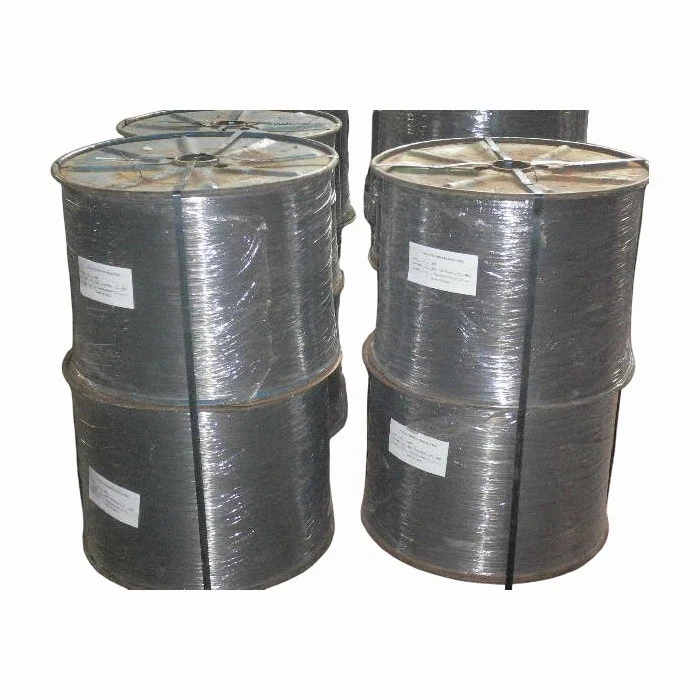
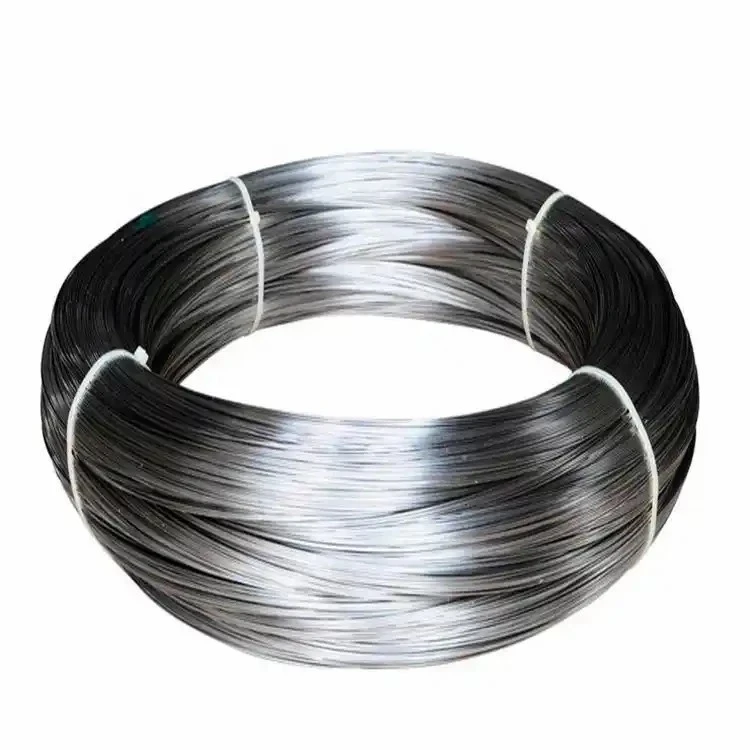
As a leading supplier of Alloy Steel Wire and Cold Drawn Stainless Steel Wire, we are committed to providing high - quality products and valuable knowledge to our customers. If you have any questions about cleaning or using alloy steel wire, or if you are interested in purchasing our products, please feel free to contact us for further discussion. We look forward to serving your needs and helping you find the best solutions for your applications.
References
- ASM Handbook Volume 11: Failure Analysis and Prevention, ASM International.
- Corrosion Basics: An Introduction, NACE International.
- Metal Finishing Guidebook, Industrial Press Inc.