

Is carbon steel wire magnetic?
Is carbon steel wire magnetic? This is a question that often arises among those in industries relying on carbon steel wire, from construction to manufacturing. As a carbon steel wire supplier, I've encountered this query numerous times, and today, I'm here to provide a comprehensive answer.
Understanding Carbon Steel Wire
Before delving into the magnetic properties of carbon steel wire, it's essential to understand what carbon steel wire is. Carbon steel wire is made primarily from iron and carbon, with carbon content typically ranging from 0.05% to 2.1%. The varying carbon content significantly influences the wire's properties, such as strength, hardness, and ductility.
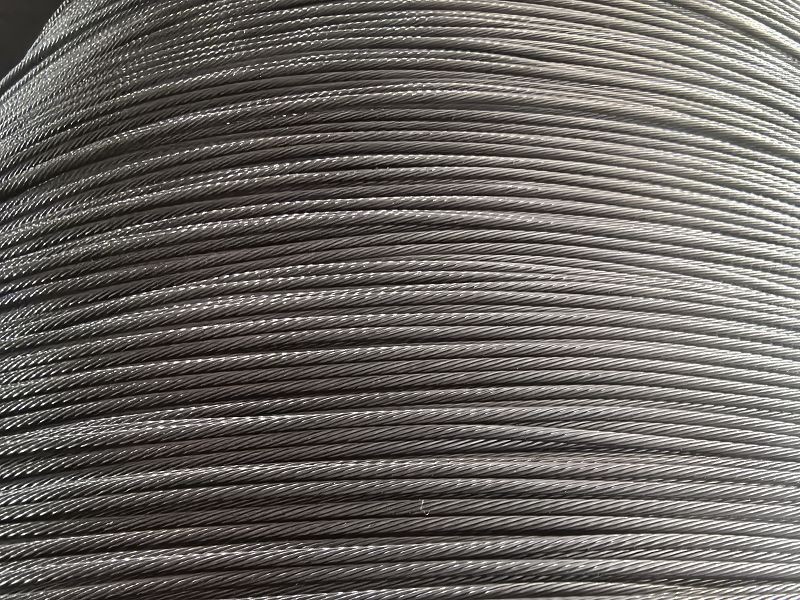
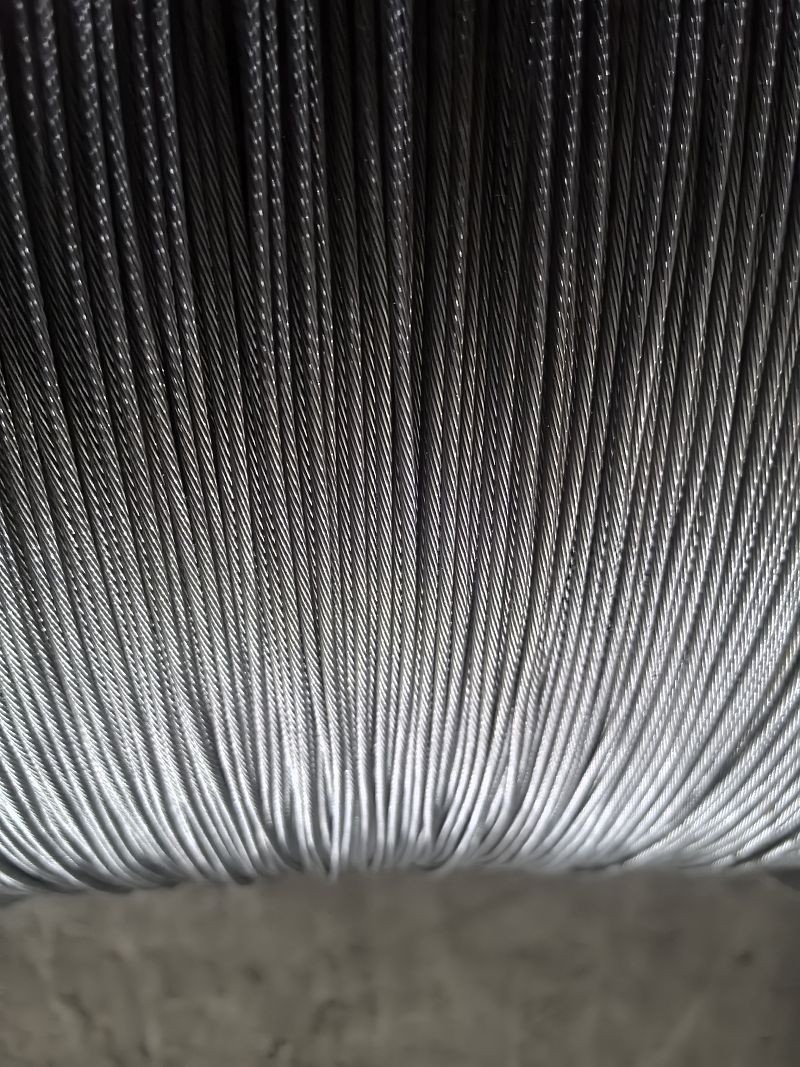
Carbon steel wire comes in different types, each tailored to specific applications. For instance, Cold Drawn High Carbon Steel Wire is known for its high strength and is commonly used in applications where durability is crucial, like in the production of springs and cables. Cold Drawn High Carbon Spring Steel Wire is specifically designed for spring manufacturing, offering excellent elasticity and fatigue resistance. High Carbon Steel Wire Rope is used in heavy - duty applications such as lifting and towing due to its high tensile strength.
The Magnetic Nature of Iron
To understand why carbon steel wire is magnetic, we need to start with the fundamental properties of iron. Iron is one of the few elements that are ferromagnetic at room temperature. Ferromagnetism is a phenomenon where certain materials can form permanent magnets or are strongly attracted to magnets.
The magnetic behavior of iron is due to its atomic structure. Iron atoms have unpaired electrons in their outer shells. These unpaired electrons have a property called spin, which creates a small magnetic field. In ferromagnetic materials like iron, these atomic magnetic fields can align with each other, creating a large - scale magnetic field.
How Carbon Affects Magnetism in Carbon Steel Wire
Carbon is added to iron to form carbon steel, and it does have an impact on the magnetic properties of the wire. However, carbon itself is not magnetic. When carbon is added to iron, it changes the crystal structure of the steel.
In general, the presence of carbon in carbon steel wire does not significantly reduce its magnetic properties. Even with relatively high carbon content, carbon steel wire remains ferromagnetic. The carbon atoms fit into the interstitial spaces in the iron crystal lattice. While they can affect the mechanical properties of the steel, such as making it harder and stronger, they do not disrupt the alignment of the iron's atomic magnetic fields to a large extent.
However, in some cases, if the carbon content is extremely high or if other alloying elements are added in significant amounts, the magnetic properties can be altered. For example, some high - alloy steels with large amounts of elements like manganese or chromium may have reduced magnetic susceptibility. But for typical carbon steel wire used in most industrial applications, the magnetic nature is still very much intact.
Testing the Magnetism of Carbon Steel Wire
There are several simple ways to test the magnetism of carbon steel wire. One of the most straightforward methods is to use a permanent magnet. If you bring a magnet close to a piece of carbon steel wire, you will notice that the wire is attracted to the magnet. This is a clear indication of its ferromagnetic nature.
Another more scientific method is to use a magnetometer. A magnetometer can measure the magnetic field strength of the wire accurately. By comparing the magnetic field strength of different carbon steel wires, you can get an idea of how their magnetic properties vary, which may be related to factors such as carbon content and heat treatment.
Applications Based on Magnetic Properties
The magnetic property of carbon steel wire has many practical applications. In the electrical industry, carbon steel wire can be used in the construction of electromagnets. The ferromagnetic nature of the wire allows it to be magnetized when an electric current passes through a coil wound around it. This is used in devices such as relays, solenoids, and transformers.
In the manufacturing industry, magnetic carbon steel wire can be used in magnetic separation processes. For example, in recycling plants, magnetic carbon steel wires can be used to separate ferrous materials from non - ferrous ones. The magnetic attraction of the wire helps in efficiently sorting different types of metals.
Heat Treatment and Magnetism
Heat treatment is a common process used to modify the properties of carbon steel wire. Processes like annealing, quenching, and tempering can change the crystal structure of the steel, which in turn can affect its magnetic properties.
Annealing is a process where the steel is heated to a high temperature and then slowly cooled. This process can relieve internal stresses in the wire and make the crystal structure more uniform. In general, annealed carbon steel wire may have slightly different magnetic properties compared to as - drawn wire, but it still remains magnetic.
Quenching involves rapid cooling of the heated steel. This can result in a harder and more brittle structure. The rapid cooling can also cause some changes in the magnetic domain structure of the steel. However, the wire still retains its ferromagnetic nature.
Tempering is often done after quenching to reduce the brittleness. Tempered carbon steel wire usually has magnetic properties similar to those of the quenched wire, with only minor variations depending on the tempering temperature and time.
Conclusion
In conclusion, carbon steel wire is magnetic due to the ferromagnetic nature of iron, which is the primary component of the wire. The addition of carbon and other elements may cause some minor changes in the magnetic properties, but for most common carbon steel wire used in industry, the magnetic behavior remains strong.
The magnetic property of carbon steel wire is not only a scientific curiosity but also has many practical applications in various industries. Whether it's in electrical devices, manufacturing processes, or recycling operations, the magnetic nature of carbon steel wire plays an important role.
If you are in need of high - quality carbon steel wire for your projects, we are here to assist you. Our wide range of carbon steel wire products, including Cold Drawn High Carbon Steel Wire, Cold Drawn High Carbon Spring Steel Wire, and High Carbon Steel Wire Rope, are carefully manufactured to meet the highest standards. We welcome you to contact us for more information and to discuss your specific requirements. Let's work together to find the best carbon steel wire solutions for your business.
References
- ASM Handbook Volume 1: Properties and Selection: Irons, Steels, and High - Performance Alloys. ASM International.
- Callister, W. D., & Rethwisch, D. G. (2011). Materials Science and Engineering: An Introduction. Wiley.
- Degarmo, E. P., Black, J. T., & Kohser, R. A. (2003). Materials and Processes in Manufacturing. Wiley.