

What are the advantages of oil tempered steel wire compared to other types of steel wire?
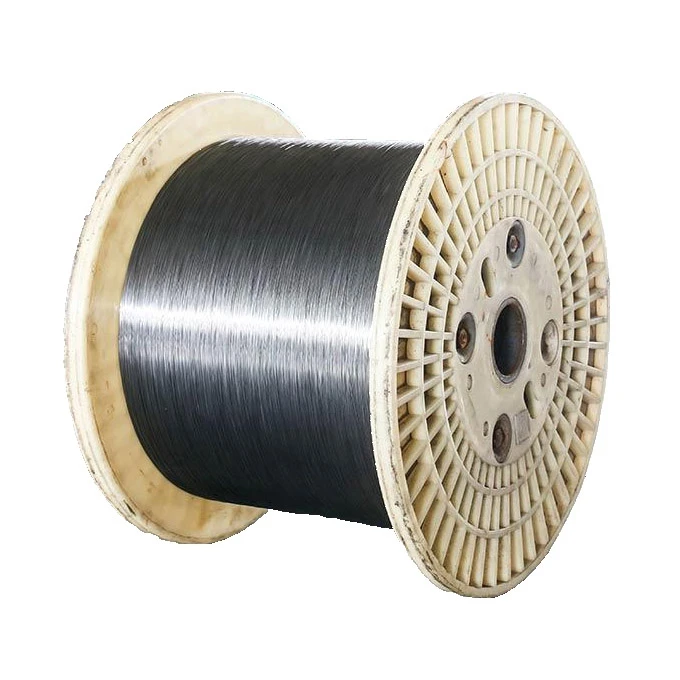
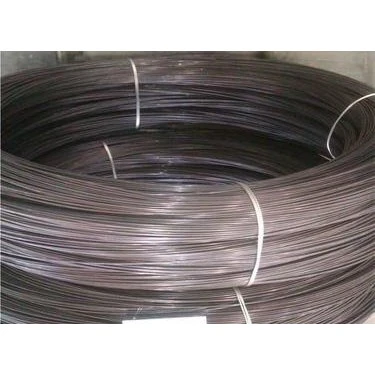
As a supplier of Oil Tempered Steel Wire, I've witnessed firsthand the numerous advantages this remarkable material offers compared to other types of steel wire. In this blog, I'll delve into the unique properties and benefits of Oil Tempered Steel Wire, highlighting why it stands out in various applications.
Superior Strength and Durability
One of the most significant advantages of Oil Tempered Steel Wire is its exceptional strength and durability. Through a specialized heat treatment process that involves quenching the wire in oil, the steel's molecular structure is transformed, resulting in a high tensile strength and excellent resistance to fatigue. This makes Oil Tempered Steel Wire ideal for applications where reliability and long - term performance are crucial.
In contrast, Cold Drawn Steel Wire is formed by pulling the steel through a die at room temperature. While it can achieve a certain level of strength, it may not possess the same high - strength characteristics as oil - tempered wire. Cold - drawn wire is more likely to experience fatigue failure under repeated stress, especially in high - load applications.
Oil Tempered Steel Wire's durability also extends to its corrosion resistance. The oil tempering process can enhance the wire's natural ability to withstand environmental factors, reducing the risk of rust and corrosion. This is particularly important in outdoor or harsh industrial environments where other types of steel wire may deteriorate quickly. For example, Phosphate Coating Steel Wire relies on a phosphate coating for corrosion protection. However, this coating can be damaged over time, leaving the underlying steel vulnerable to rust. Oil Tempered Steel Wire, on the other hand, has inherent corrosion - resistant properties that provide long - lasting protection.
Excellent Flexibility and Formability
Another advantage of Oil Tempered Steel Wire is its excellent flexibility and formability. The heat treatment process not only strengthens the wire but also makes it more malleable, allowing it to be easily bent, coiled, and shaped without breaking. This makes it a popular choice for applications such as springs, where the wire needs to be formed into complex shapes while maintaining its strength.
Cold Drawn Steel Wire, while it can be formed to some extent, may be more brittle and less flexible compared to Oil Tempered Steel Wire. This can limit its use in applications that require intricate forming or repeated bending. For instance, in the manufacturing of automotive suspension springs, Oil Tempered Steel Wire's flexibility allows for precise shaping to meet the specific design requirements, ensuring optimal performance.
The formability of Oil Tempered Steel Wire also means that it can be used in a wide range of industries. From the aerospace industry, where it is used in the production of aircraft components, to the furniture industry, where it is used in the creation of springs for chairs and sofas, the wire's ability to be formed into various shapes makes it a versatile material.
Consistent Quality and Performance
As a supplier, I understand the importance of providing consistent quality products to my customers. Oil Tempered Steel Wire offers a high level of consistency in terms of its mechanical properties. The oil tempering process is carefully controlled, ensuring that each batch of wire meets strict quality standards. This consistency is crucial for applications where precise performance is required.
In contrast, other types of steel wire may have more variability in their properties. For example, Cold Drawn Steel Wire can be affected by factors such as the initial steel composition and the drawing process, which can lead to differences in strength and ductility between batches. This variability can pose challenges for manufacturers who need to ensure the reliability of their products.
Oil Tempered Steel Wire's consistent performance also means that it can be relied upon in critical applications. In the medical industry, for example, it is used in the production of surgical instruments and medical devices. The consistent strength and flexibility of the wire ensure that these instruments perform accurately and safely, meeting the high standards of the medical field.
Cost - Effectiveness
When considering the overall cost of a project, Oil Tempered Steel Wire can be a cost - effective choice. While the initial cost of Oil Tempered Steel Wire may be slightly higher than some other types of steel wire, its long - term benefits often outweigh the upfront expense.
Due to its superior strength and durability, Oil Tempered Steel Wire has a longer service life compared to other types of wire. This means that it needs to be replaced less frequently, reducing the overall cost of maintenance and replacement. In addition, its excellent formability can lead to more efficient manufacturing processes, reducing production costs.
For example, in the construction industry, using Oil Tempered Steel Wire in the production of reinforcement bars can result in a stronger and more durable structure. The reduced need for repairs and replacements over the life of the building can lead to significant cost savings.
Conclusion
In conclusion, Oil Tempered Steel Wire offers a multitude of advantages over other types of steel wire. Its superior strength, durability, flexibility, consistent quality, and cost - effectiveness make it an ideal choice for a wide range of applications. Whether you're in the automotive, aerospace, medical, or any other industry, Oil Tempered Steel Wire can provide the performance and reliability you need.
If you're interested in learning more about our Oil Tempered Steel Wire products or would like to discuss your specific requirements, please feel free to reach out. We're committed to providing high - quality products and excellent customer service. Let's work together to find the best solution for your project.
References
- ASM Handbook Committee. (2004). ASM Handbook Volume 4A: Heat Treating: Steel. ASM International.
- Degarmo, E. P., Black, J. T., & Kohser, R. A. (2003). Materials and Processes in Manufacturing. Wiley.