

What are the applications of steel wire technology in the elevator industry?
Hey there! As a supplier of steel wire technology, I've seen firsthand how this nifty stuff plays a vital role in the elevator industry. In this blog, I'm gonna break down the different applications of steel wire technology in elevators, so you can get a better understanding of why it's so important.
1. Suspension Systems
One of the most critical applications of steel wire technology in the elevator industry is in suspension systems. Elevators rely on strong and durable steel wires to support the weight of the elevator car and its passengers. These wires are usually made from high - strength steel alloys that can withstand heavy loads and constant stress.
The steel wires used in suspension systems are typically arranged in multiple strands. This multi - strand design not only increases the overall strength of the wire but also provides redundancy. In case one strand fails, the others can still support the elevator car, ensuring the safety of the passengers.
For example, our Patented Steel Wire is specifically engineered for elevator suspension systems. It has a unique composition that gives it excellent tensile strength and fatigue resistance. This means it can handle the continuous up - and - down movement of the elevator without breaking or wearing out easily.
2. Hoisting Ropes
Hoisting ropes are another key component in elevators, and steel wire technology is at the heart of their construction. These ropes are responsible for moving the elevator car up and down the shaft. They need to be strong enough to lift the weight of the car and its occupants, as well as flexible enough to wrap around the hoisting drums.
Our Oil Tempered Steel Wire is a popular choice for hoisting ropes. The oil - tempering process gives the wire a combination of strength and flexibility. It can withstand the high forces generated during the hoisting operation and also adapt to the curvature of the hoisting drums without losing its integrity.
Moreover, the surface finish of the steel wire in hoisting ropes is crucial. A smooth surface reduces friction between the rope and the drums, which not only improves the efficiency of the elevator system but also extends the lifespan of the ropes.
3. Counterweight Systems
Counterweights are used in elevators to balance the weight of the elevator car. This helps to reduce the amount of energy required to move the car up and down. Steel wire technology is used in the cables that connect the counterweight to the elevator car.
The cables need to be strong and reliable because they are constantly under tension. Our Black Annealed Tie Steel Wire is often used in counterweight systems. The annealing process makes the wire more ductile, which means it can be bent and shaped easily during installation. At the same time, it still retains enough strength to support the counterweight.
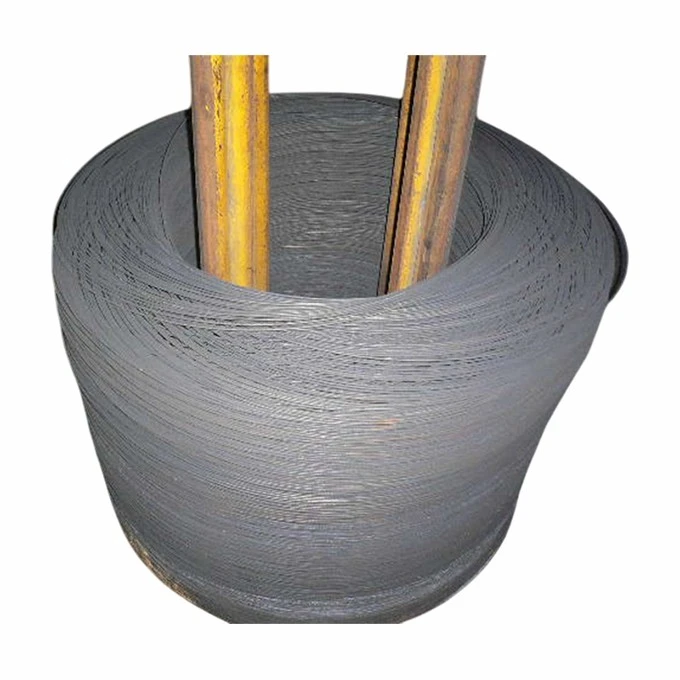

By using high - quality steel wires in counterweight systems, elevator manufacturers can ensure that the counterweights move smoothly and safely, contributing to the overall stability and efficiency of the elevator.
4. Safety Systems
Safety is of utmost importance in the elevator industry, and steel wire technology plays a significant role in elevator safety systems. For example, overspeed governors use steel wires to detect when the elevator is moving too fast. If the speed exceeds a certain limit, the governor activates a braking mechanism to stop the elevator.
The steel wires in overspeed governors need to be extremely precise and reliable. They are designed to respond quickly to changes in speed and transmit the signal to the braking system accurately. Our steel wires are manufactured with strict quality control measures to ensure that they meet the high standards required for safety systems.
In addition, steel wires are also used in emergency braking systems. These systems are designed to stop the elevator in case of a malfunction or an emergency. The wires need to be able to withstand high - impact forces and provide a reliable means of stopping the elevator car.
5. Door Systems
Elevator doors are an essential part of the user experience, and steel wire technology is involved in their operation. Steel wires are used in the door opening and closing mechanisms. They provide the necessary strength and flexibility to move the doors smoothly and quietly.
The wires are often used in combination with pulleys and guides to ensure that the doors open and close in a controlled manner. Our steel wires are designed to have low friction coefficients, which helps to reduce wear and tear on the door components and improve the overall performance of the door system.
Why Choose Our Steel Wire Technology?
As a supplier, we take pride in offering high - quality steel wire technology for the elevator industry. We have a team of experts who are constantly researching and developing new products to meet the evolving needs of the market.
Our manufacturing processes are state - of - the - art, which allows us to produce steel wires with consistent quality and performance. We also offer customization services, so we can tailor our products to your specific requirements.
Whether you're an elevator manufacturer, a maintenance company, or a contractor, our steel wire technology can provide you with the reliability and performance you need. We're committed to providing excellent customer service and support, and we'll work with you to find the best solutions for your elevator projects.
Let's Connect!
If you're interested in learning more about our steel wire technology for the elevator industry or if you have any specific requirements, I'd love to hear from you. Contact us to start a conversation about how we can work together to improve the safety, efficiency, and performance of your elevator systems.
References
- "Elevator Technology Handbook"
- Industry reports on elevator components and materials