

Can brass coated steel wire be used in food - related applications?
Can brass coated steel wire be used in food - related applications?
As a supplier of Brass Coated Steel Wire, I often encounter inquiries from customers regarding the suitability of our product for food - related applications. This is a crucial question, considering the strict safety and quality standards in the food industry. In this blog, I will delve into the characteristics of brass coated steel wire and analyze whether it can be used in food - related scenarios.
Characteristics of Brass Coated Steel Wire
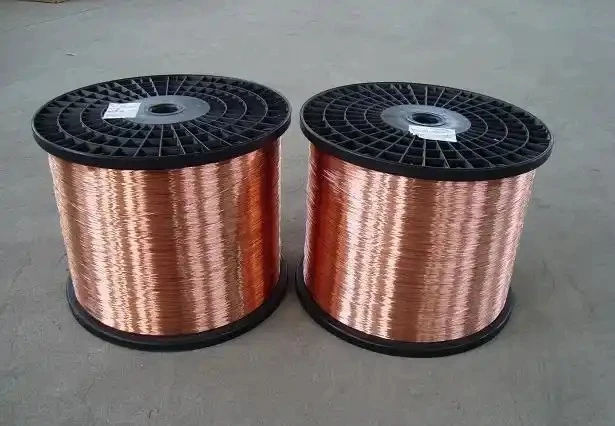
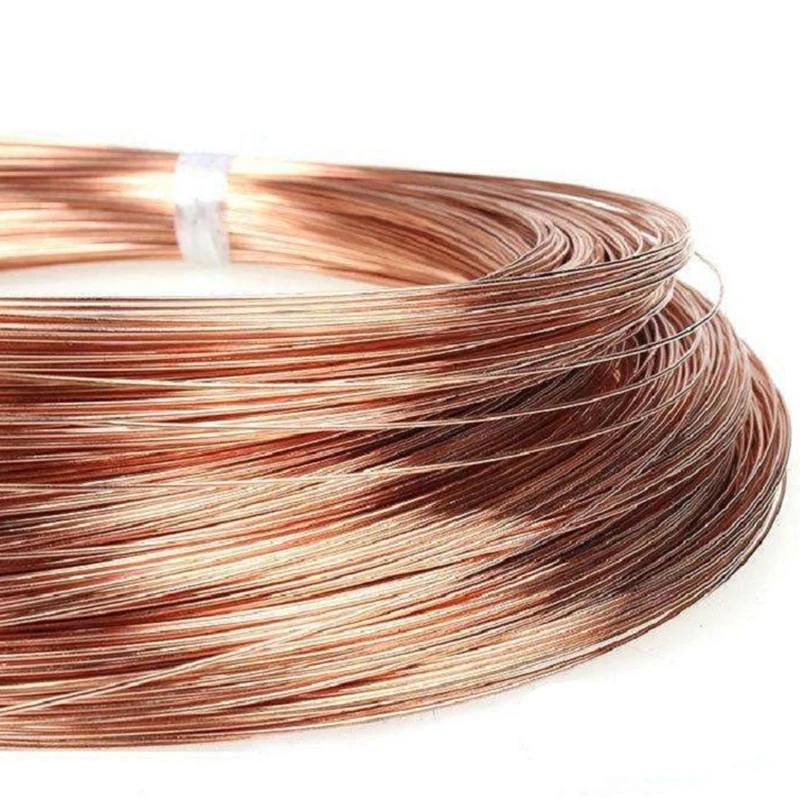
Brass coated steel wire combines the strength and durability of steel with the corrosion - resistance and aesthetic appeal of brass. The steel core provides high tensile strength, making it suitable for various mechanical applications. The brass coating not only enhances the wire's resistance to rust and oxidation but also gives it a shiny, attractive appearance.
Brass is an alloy composed mainly of copper and zinc. The proportion of these two elements can vary, which affects the properties of the brass. For example, a higher copper content generally results in better corrosion resistance, while a higher zinc content can improve the hardness and strength of the brass.
Safety Considerations in Food - Related Applications
When it comes to using any material in food - related applications, safety is the top priority. The food industry is highly regulated to ensure that products do not pose any health risks to consumers. Materials used in contact with food must meet certain standards, such as being non - toxic, non - allergenic, and resistant to corrosion and chemical reactions.
In the case of brass coated steel wire, the main concerns are the potential release of copper and zinc ions. Copper and zinc are essential trace elements for the human body, but excessive intake can be harmful. However, under normal circumstances, the brass coating on the steel wire is stable and does not release significant amounts of these metals.
Regulatory Standards
In many countries, there are specific regulations governing the use of materials in food - related applications. For example, in the United States, the Food and Drug Administration (FDA) has established guidelines for materials that come into contact with food. These guidelines set limits on the amount of substances that can migrate from the material into the food.
European Union also has its own set of regulations, such as the European Food Contact Materials Regulation. These regulations ensure that materials used in food contact are safe and do not transfer harmful substances to the food.
Applications in the Food Industry
Despite the concerns, there are some food - related applications where brass coated steel wire can be used. One common application is in food processing equipment. For example, it can be used in the construction of conveyor belts, where the wire's strength and corrosion resistance are beneficial. The brass coating also provides a smooth surface, which is easy to clean and maintain.
Another application is in food packaging. Brass coated steel wire can be used to reinforce packaging materials, providing additional strength and durability. However, in these applications, it is important to ensure that the wire is properly coated and that there is no direct contact between the wire and the food.
Advantages of Using Brass Coated Steel Wire in Food - Related Applications
- Strength and Durability: The steel core of the wire provides high tensile strength, which is important for withstanding the stresses and strains in food processing and packaging operations.
- Corrosion Resistance: The brass coating protects the steel from rust and oxidation, ensuring a longer service life and reducing the risk of contamination from rust particles.
- Ease of Cleaning: The smooth surface of the brass coating makes it easy to clean, which is essential in maintaining hygiene in the food industry.
Limitations and Precautions
While brass coated steel wire has some advantages in food - related applications, there are also some limitations. As mentioned earlier, there is a potential risk of metal ion release, especially in acidic or alkaline food environments. Therefore, it is important to conduct thorough testing before using the wire in contact with food.
In addition, the wire should be properly installed and maintained to prevent any damage to the coating. A damaged coating can expose the steel core, increasing the risk of corrosion and metal ion release.
Alternatives to Brass Coated Steel Wire
If there are concerns about using brass coated steel wire in food - related applications, there are some alternatives available. For example, Tin Plated Bronze Steel Wire and Tin Plated Copper Steel Wire are also popular choices. Tin is a relatively inert metal and is often considered safer for food contact applications.
Conclusion
In conclusion, brass coated steel wire can be used in some food - related applications, but it must be used with caution. The wire's strength, durability, and corrosion resistance make it suitable for certain food processing and packaging operations. However, it is essential to comply with regulatory standards and take appropriate precautions to ensure safety.
If you are interested in using Brass Coated Steel Wire in your food - related applications, I encourage you to contact us for more information. Our team of experts can provide you with detailed technical specifications and guidance on how to use the wire safely and effectively. We are committed to providing high - quality products and excellent customer service.
References
- Food and Drug Administration (FDA) guidelines on food contact materials.
- European Food Contact Materials Regulation.
- Technical literature on brass coated steel wire properties and applications.