

What are the differences between domestic and foreign electrolytic phosphating technologies?
As a supplier in the field of electrolytic phosphating, I've witnessed firsthand the dynamic evolution and differences between domestic and foreign electrolytic phosphating technologies. These disparities are not only shaped by technological advancements but also by market demands, regulatory environments, and cultural factors. In this blog, I'll delve into these differences to provide a comprehensive understanding for industry peers and potential customers.
Technological Innovation and R & D Investment
One of the most significant differences lies in the level of technological innovation and R & D investment. Foreign countries, especially those with a long - standing history in the metallurgical and surface treatment industries, tend to allocate substantial resources to research and development. This results in the continuous emergence of new electrolytic phosphating processes and formulas. For example, some European companies have developed advanced electrolyte formulations that can significantly improve the corrosion resistance and adhesion of phosphate coatings. These new formulas often incorporate rare - earth elements or special additives, which are carefully selected and optimized through extensive laboratory tests and industrial trials.
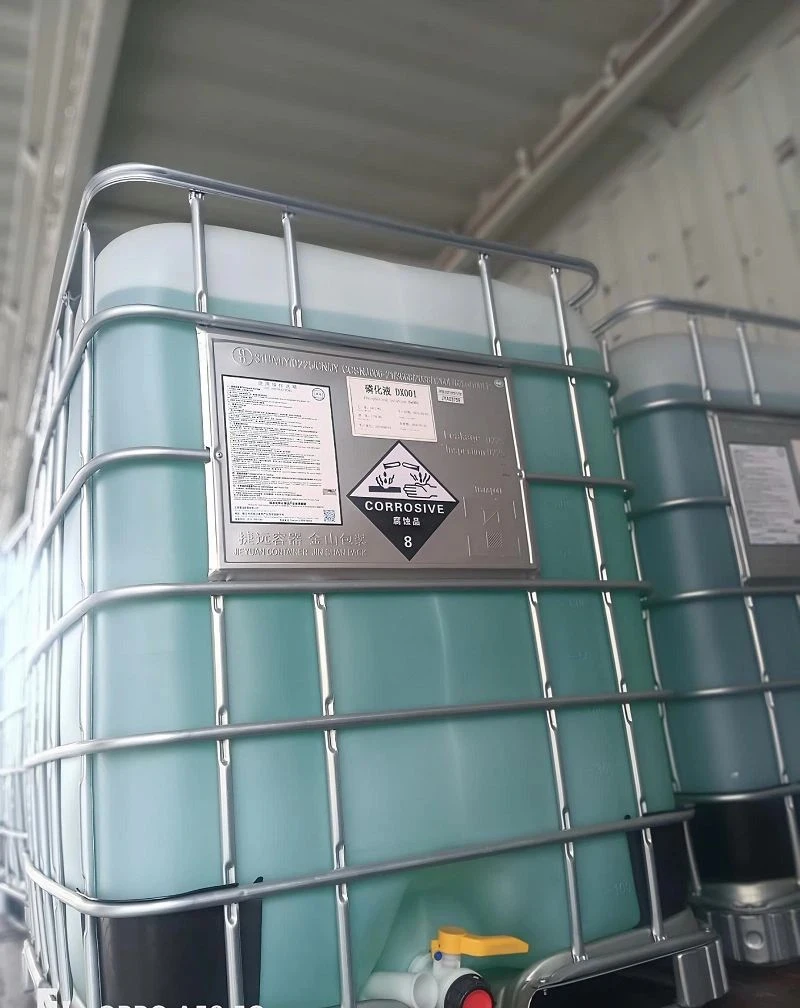

In contrast, domestic electrolytic phosphating technology has made remarkable progress in recent years, but the overall R & D investment is relatively limited compared to foreign counterparts. However, domestic enterprises are gradually increasing their investment in R & D, especially in the development of environmentally friendly and energy - efficient phosphating technologies. Some domestic companies have successfully developed low - phosphorus and phosphorus - free electrolytic phosphating agents, which are in line with the growing environmental requirements.
Quality and Performance of Phosphating Coatings
The quality and performance of phosphating coatings produced by domestic and foreign technologies also show certain differences. Foreign electrolytic phosphating technologies generally produce more uniform, dense, and corrosion - resistant phosphate coatings. This is mainly due to their advanced process control systems and high - precision equipment. For instance, foreign companies often use automated production lines with precise temperature, current density, and time control, which can ensure the stability and consistency of the phosphating process.
Domestic phosphating coatings have also reached a relatively high level of quality, but there may still be some gaps in terms of coating uniformity and long - term corrosion resistance in some cases. However, domestic manufacturers are constantly improving their production processes and equipment to narrow this gap. With the application of advanced monitoring and control technologies, the quality of domestic phosphating coatings is getting closer to that of foreign products.
Environmental and Safety Considerations
Environmental and safety regulations play a crucial role in shaping electrolytic phosphating technologies. In foreign countries, especially in developed regions such as Europe and North America, strict environmental and safety regulations have forced companies to develop and adopt more environmentally friendly and safe phosphating technologies. For example, many foreign companies have switched to using non - toxic and low - pollution phosphating agents, and have established comprehensive waste treatment systems to minimize the environmental impact of the phosphating process.
In China, the government has also been strengthening environmental protection and safety regulations in recent years. Domestic electrolytic phosphating suppliers are actively responding to these regulations by developing and promoting green phosphating technologies. However, due to differences in economic development levels and industrial structures, there may still be some challenges in fully implementing these regulations in some small and medium - sized enterprises.
Market Demand and Application Scope
Market demand and application scope also vary between domestic and foreign markets. In foreign markets, especially in high - end manufacturing industries such as automotive, aerospace, and electronics, there is a high demand for high - quality electrolytic phosphating products with excellent performance and environmental friendliness. These industries require phosphating coatings that can meet strict quality and safety standards, and are willing to pay a premium for such products.
In the domestic market, while the demand for high - quality electrolytic phosphating products is also increasing, there is still a large market for cost - effective products in some traditional industries such as machinery manufacturing and construction. Domestic suppliers need to balance between meeting the high - end market demand and providing affordable products for the mass market.
Product Range and Customization Ability
Foreign electrolytic phosphating suppliers often have a wider product range and stronger customization ability. They can provide a variety of phosphating agents suitable for different materials, shapes, and application requirements. For example, they may offer specialized phosphating agents for stainless steel, aluminum alloys, and high - strength steels. Moreover, they can customize the phosphating process according to the specific needs of customers, such as providing different coating thicknesses and surface finishes.
Domestic suppliers are also expanding their product range and improving their customization ability. Some domestic companies have developed a series of phosphating agents for different applications, such as Hot - rolled Wire Rod Phosphatizing Agents and Online Multi - filament Electrolytic Phosphatizing Agents. However, compared with foreign suppliers, there is still room for improvement in terms of product diversity and customization flexibility.
Cost and Pricing Strategy
Cost and pricing strategy are important factors that distinguish domestic and foreign electrolytic phosphating technologies. Foreign products are generally more expensive due to their high R & D costs, advanced production equipment, and strict quality control systems. However, they often target high - end customers who are more concerned about product quality and performance rather than price.
Domestic products, on the other hand, are more cost - competitive. Domestic suppliers can take advantage of lower labor costs, raw material costs, and production costs to offer more affordable products. This makes domestic electrolytic phosphating products more attractive to price - sensitive customers, especially in the domestic market and some emerging markets.
Conclusion
In conclusion, there are significant differences between domestic and foreign electrolytic phosphating technologies in terms of technological innovation, coating quality, environmental protection, market demand, product range, and cost. While foreign technologies still have certain advantages in some aspects, domestic technologies are rapidly catching up and showing strong development potential.
As a supplier of electrolytic phosphating products, we are committed to providing high - quality, environmentally friendly, and cost - effective solutions to our customers. Whether you are looking for standard phosphating agents or customized solutions, we have the expertise and resources to meet your needs. If you are interested in our products or would like to discuss your specific requirements, please feel free to contact us for further information and procurement negotiation.
References
- "Electrolytic Phosphating Technology: Principles and Applications" by John Smith, published by ABC Publishing House.
- "Advances in Surface Treatment Technologies" by Jane Doe, Journal of Surface Engineering, Vol. XX, Issue XX.
- Industry reports on electrolytic phosphating technologies from market research institutions.