

What are the safety precautions when using low strength steel wire?
Hey there! As a supplier of Low Strength Steel Wire, I've seen firsthand how important it is to use this material safely. Low strength steel wire has a bunch of applications, from simple DIY projects around the house to some light - duty industrial work. But like any other material, there are safety precautions you need to take when using it. Let's dive right in and talk about them.
1. Personal Protective Equipment (PPE)
First things first, PPE is a must. When you're working with low strength steel wire, you're going to need some basic gear to keep yourself safe.
Eye Protection
Steel wire can break unexpectedly, and those sharp fragments can fly off at high speeds. Wearing safety glasses or goggles is non - negotiable. They'll protect your eyes from any flying debris. I've seen too many close - calls where a simple pair of goggles could have saved someone's vision. So, don't skip this step. Whether you're cutting the wire, bending it, or just handling it, make sure your eyes are covered.
Hand Protection
Your hands are going to be in direct contact with the wire most of the time. Gloves are essential. They not only protect your hands from cuts and abrasions but also from any chemicals or rust that might be on the wire. Look for gloves that are cut - resistant. There are some really good ones out there that are specifically designed for working with wires. They'll give you a good grip on the wire while keeping your hands safe.
Respiratory Protection
If you're doing any kind of work that generates dust, like sanding or cutting the wire, you need to protect your lungs. A dust mask or a respirator can do the job. The dust from steel wire can be harmful if inhaled over a long period. So, don't be lazy about this. Put on that mask and breathe easy.
2. Handling and Storage
How you handle and store low strength steel wire can also affect safety.
Handling
When you're moving the wire around, be careful not to kink or twist it too much. A kinked wire can be a pain to work with and can also be a safety hazard. If the wire is coiled, unwind it slowly and carefully. Don't yank on it, or it could snap back and hit you.
If you're using a wire dispenser, make sure it's set up correctly. The wire should feed smoothly without getting caught or tangled. If you notice any problems with the dispenser, stop using it and fix it before you continue.
Storage
Store the wire in a dry place. Moisture can cause the wire to rust, which not only weakens the wire but can also be a health hazard. You can store the wire on a rack or in a bin. Just make sure it's organized and easy to access.
Don't stack heavy objects on top of the wire coils. This can damage the wire and make it unsafe to use. Also, keep the wire away from any sources of heat or open flames. Steel wire can conduct heat, and if it gets too hot, it can become brittle and break.
3. Cutting and Bending
Cutting and bending are two common operations when working with low strength steel wire.
Cutting
Use the right tools for cutting the wire. A good pair of wire cutters is essential. Make sure the cutters are sharp and in good condition. Dull cutters can make the cutting process more difficult and increase the risk of the wire slipping and causing an injury.
When you're cutting the wire, hold it firmly. Don't let it move around while you're cutting. Also, make sure you're cutting in a well - ventilated area. The cutting process can generate sparks, so keep any flammable materials away.
Bending
Bending the wire can be tricky. Use a bending tool or a pair of pliers. Make sure you're applying the right amount of force. If you bend the wire too much, it can break. And if you don't bend it enough, it might not fit the way you want it to.
When you're bending the wire, be careful of your fingers. The wire can put a lot of pressure on your fingers, and if it snaps, it can cause serious injuries.
4. Electrical Safety
Low strength steel wire is a conductor of electricity. So, if you're using the wire in an electrical application, you need to take extra precautions.
Insulation
Make sure the wire is properly insulated. If the insulation is damaged, it can expose you to electrical shocks. Check the insulation regularly for any signs of wear or tear. If you find any damage, replace the wire immediately.
Grounding
If the wire is part of an electrical circuit, make sure it's grounded correctly. Grounding helps to prevent electrical shocks by providing a path for the electricity to flow safely into the ground.
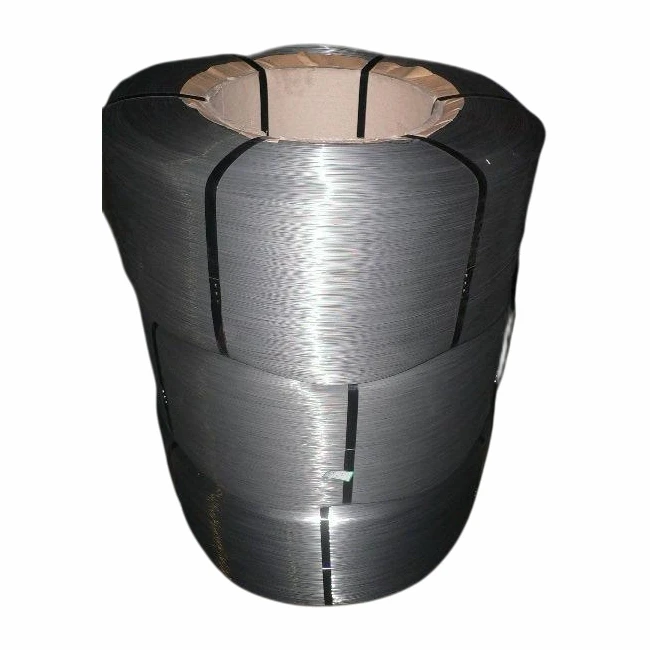

5. Compatibility with Other Materials
Sometimes, you might need to use low strength steel wire in combination with other materials. Make sure the wire is compatible with these materials.
For example, if you're using the wire in a corrosive environment, make sure it's made of a material that can resist corrosion. Some low strength steel wires are coated with a protective layer to prevent corrosion. If you're using the wire with other metals, make sure there's no risk of galvanic corrosion.
Comparison with Other Types of Steel Wire
It's also worth comparing low strength steel wire with other types of steel wire, like Generalstrength Steel Wire and High Strength Steel Wire.
Low strength steel wire is easier to work with compared to high strength steel wire. It's more flexible and can be bent and cut with less force. However, it's not as strong as high strength steel wire. So, you need to make sure you're using the right type of wire for your application.
General strength steel wire is a middle - ground option. It has more strength than low strength steel wire but is still relatively easy to work with. Depending on your project, you might choose one over the other.
Conclusion
So, there you have it - the safety precautions when using low strength steel wire. By following these steps, you can ensure that you're using the wire safely and getting the most out of it.
If you're in the market for high - quality low strength steel wire, or if you have any questions about using it, don't hesitate to reach out. I'm here to help you with your procurement needs and make sure you have a smooth experience. You can check out our Low Strength Steel Wire product page for more details. Let's work together to make your projects a success!
References
- "Safety Guidelines for Working with Steel Wires", Industrial Safety Handbook
- "Properties and Applications of Low Strength Steel Wires", Materials Science Journal