

What are the differences between oil tempered steel wire and galvanized steel wire?
Steel wires are essential materials in various industries, serving a wide range of applications from construction to automotive manufacturing. Among the numerous types of steel wires available in the market, oil tempered steel wire and galvanized steel wire are two commonly used options. As a supplier of Oil Tempered Steel Wire, I have in - depth knowledge of these two types of steel wires and their differences. In this blog post, I will explore the disparities between oil tempered steel wire and galvanized steel wire in terms of manufacturing process, physical properties, corrosion resistance, applications, and cost.
Manufacturing Process
The manufacturing process is the first fundamental difference between oil tempered steel wire and galvanized steel wire.
Oil tempered steel wire is produced through a complex heat - treatment process. First, the raw steel wire is heated to a high temperature, typically above its critical point. This heating phase is crucial as it changes the internal structure of the steel, making it more malleable. After reaching the appropriate temperature, the wire is rapidly quenched in oil. This quenching process hardens the steel wire quickly, giving it high strength. Subsequently, the wire undergoes a tempering process. Tempering involves reheating the quenched wire to a lower temperature and holding it for a specific period. This step relieves the internal stresses created during quenching and improves the wire's toughness and ductility.
On the other hand, galvanized steel wire starts with a base steel wire, which can be Black Annealed Tie Steel Wire or Cold Drawn Steel Wire. The main focus of the galvanizing process is to coat the steel wire with a layer of zinc. There are two primary methods of galvanizing: hot - dip galvanizing and electro - galvanizing. In hot - dip galvanizing, the steel wire is immersed in a bath of molten zinc at a temperature of around 450°C. The zinc reacts with the steel surface, forming a series of zinc - iron alloy layers. Electro - galvanizing, on the other hand, uses an electrolytic cell to deposit a thin layer of zinc onto the steel wire. The thickness of the zinc coating can be controlled more precisely in electro - galvanizing compared to hot - dip galvanizing.
Physical Properties
The manufacturing processes of these two types of steel wires lead to significant differences in their physical properties.
Oil tempered steel wire is known for its high strength and excellent fatigue resistance. The heat - treatment process gives it a fine - grained microstructure, which contributes to its superior mechanical properties. It can withstand high tensile forces without breaking or deforming easily. This makes it suitable for applications where high strength is required, such as in suspension springs, valve springs in automotive engines, and industrial machinery parts. The wire also has good elasticity, which means it can return to its original shape after being stretched or compressed.
Galvanized steel wire, in contrast, has different physical characteristics. The zinc coating on the surface of the wire adds some weight, but its main advantage lies in its surface protection. In terms of strength, galvanized steel wire can have a wide range of strength levels depending on the base steel wire used. However, the zinc coating does not significantly enhance the wire's inherent strength. The coating does, however, provide a certain degree of lubricity, which can be beneficial in some applications where the wire needs to slide or move smoothly.
Corrosion Resistance
One of the most significant differences between oil tempered steel wire and galvanized steel wire is their corrosion resistance.
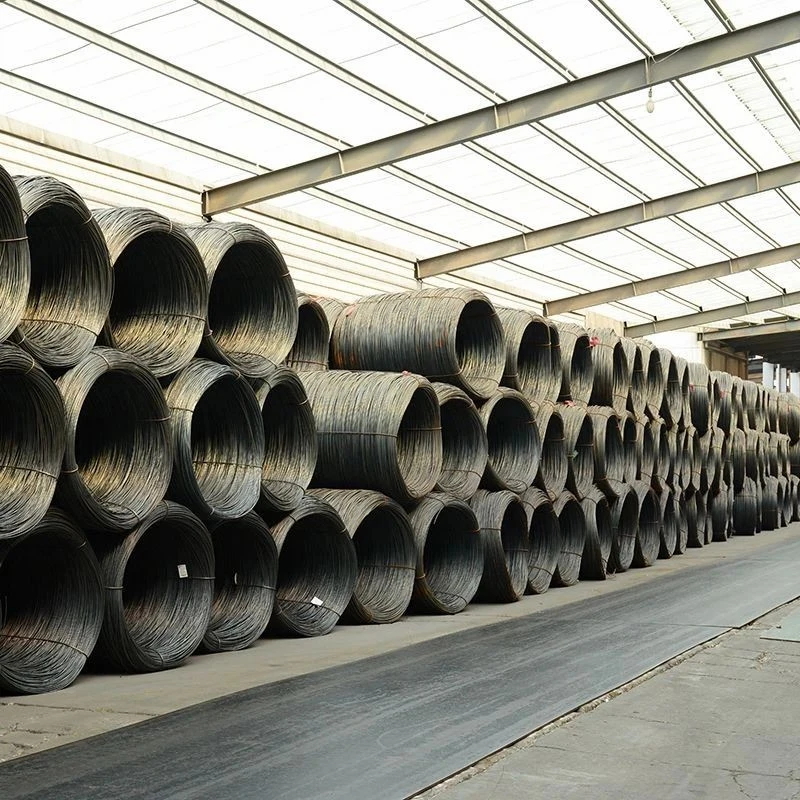
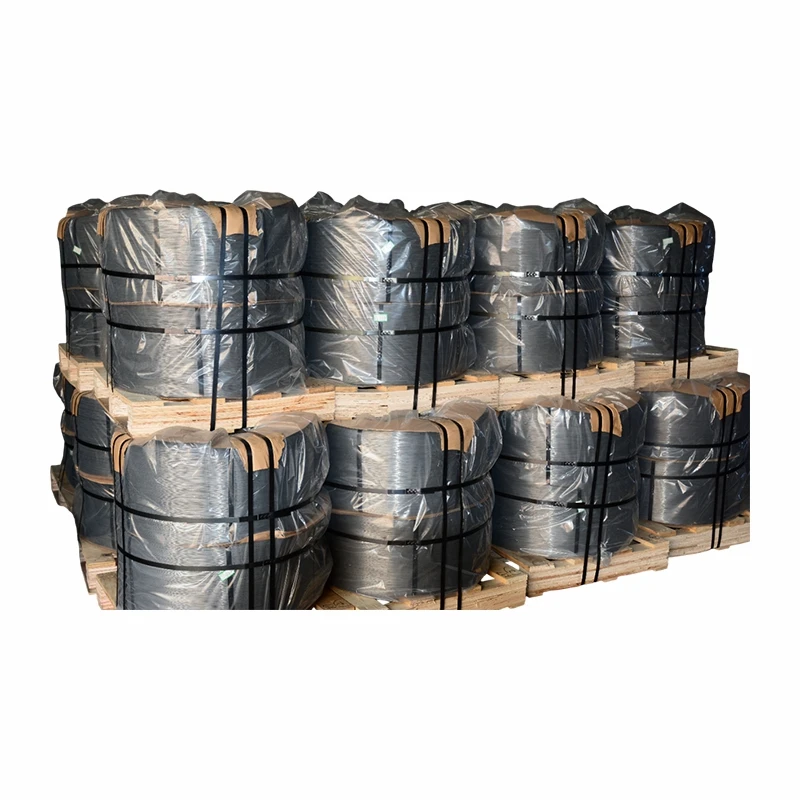
Oil tempered steel wire has relatively poor corrosion resistance on its own. The heat - treatment process does not provide any protection against rust and corrosion. When exposed to moisture, oxygen, and other corrosive elements in the environment, the steel wire will start to rust over time. To enhance its corrosion resistance, additional coatings or treatments may be applied, but this is an extra step and not part of the standard oil tempering process.
Galvanized steel wire, as the name suggests, is designed to have excellent corrosion resistance. The zinc coating acts as a sacrificial anode. When the wire is exposed to a corrosive environment, the zinc corrodes first instead of the underlying steel. This process is known as cathodic protection. The thickness of the zinc coating determines the longevity of the corrosion protection. Hot - dip galvanized steel wire generally has a thicker zinc coating and thus offers better long - term corrosion resistance compared to electro - galvanized steel wire.
Applications
The differences in physical properties and corrosion resistance lead to distinct applications for oil tempered steel wire and galvanized steel wire.
Oil tempered steel wire is widely used in applications that require high strength and fatigue resistance. In the automotive industry, it is used to make suspension springs, valve springs, and clutch springs. These springs need to withstand repeated loading and unloading cycles without losing their elasticity or breaking. In the manufacturing of industrial machinery, oil tempered steel wire is used for making conveyor belts, wire ropes, and various mechanical parts. The high strength and toughness of the wire ensure the reliable operation of these machines.
Galvanized steel wire is commonly used in outdoor and marine applications where corrosion resistance is crucial. It is used in fencing, where it can withstand the elements for a long time without rusting. In the construction industry, galvanized steel wire is used for binding reinforcement bars, as well as in the manufacture of wire mesh for concrete reinforcement. In the agricultural sector, it is used for making animal cages and fences. The zinc coating protects the wire from the harsh outdoor environment, including rain, humidity, and chemicals.
Cost
Cost is another important factor to consider when comparing oil tempered steel wire and galvanized steel wire.
The production of oil tempered steel wire involves a complex heat - treatment process, which requires specialized equipment and energy - intensive operations. This makes the production cost of oil tempered steel wire relatively high. Additionally, the high - quality raw materials used in the production also contribute to the overall cost.
Galvanized steel wire, on the other hand, has a more straightforward production process. The cost of galvanizing mainly depends on the price of zinc and the method of galvanizing used. Hot - dip galvanizing is generally more cost - effective for large - scale production, while electro - galvanizing may be more expensive due to the higher energy consumption and the need for more precise control. However, overall, the cost of galvanized steel wire is often lower than that of oil tempered steel wire, especially for applications where high strength is not the primary requirement.
Conclusion
In conclusion, oil tempered steel wire and galvanized steel wire have significant differences in manufacturing process, physical properties, corrosion resistance, applications, and cost. Oil tempered steel wire offers high strength and fatigue resistance but has poor corrosion resistance on its own. It is suitable for applications where high mechanical performance is required. Galvanized steel wire, on the other hand, provides excellent corrosion resistance and is more cost - effective for outdoor and general - purpose applications.
If you are in need of high - quality oil tempered steel wire for your specific applications, I invite you to contact me for a detailed discussion. We can explore how our products can meet your requirements and provide you with the best solutions.
References
- ASM Handbook Committee. (2004). ASM Handbook, Volume 1: Properties and Selection: Irons, Steels, and High - Performance Alloys. ASM International.
- Bhadeshia, H. K. D. H., & Honeycombe, R. W. K. (2017). Steels: Microstructure and Properties. Elsevier.