

Can steel wire be used for hanging plants?
When it comes to hanging plants, many materials come to mind: jute ropes, macrame cords, and even fishing lines. But have you ever considered using steel wire? As a steel wire supplier, I've seen the diverse applications of our products, and hanging plants is an area with great potential. In this blog, we'll explore whether steel wire can be used for hanging plants, its advantages and disadvantages, and some tips for using it effectively.
Advantages of Using Steel Wire for Hanging Plants
Durability
One of the most significant advantages of steel wire is its durability. Unlike natural materials like jute or cotton, steel wire doesn't rot, mildew, or break down easily when exposed to moisture. This makes it an excellent choice for hanging plants, especially if you plan to keep them outdoors or in a humid environment. For example, if you have a hanging garden on your balcony that gets rained on frequently, steel wire will withstand the elements much better than a traditional rope.
Strength
Steel wire is incredibly strong, capable of supporting heavy plants and large planters. Whether you're hanging a small succulent or a large, cascading fern, steel wire can handle the weight without bending or breaking. This strength also means you can hang plants at greater heights without worrying about the wire snapping under the pressure.

Aesthetic Appeal
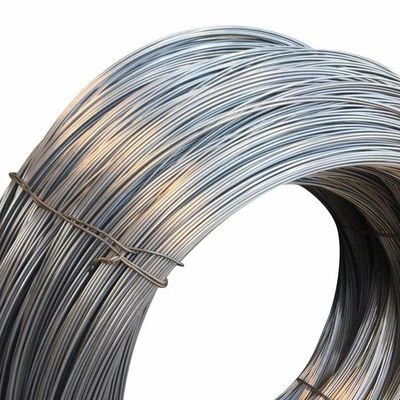
In addition to its practical benefits, steel wire can also add a modern and industrial aesthetic to your plant display. The sleek and shiny appearance of steel wire contrasts nicely with the soft, green foliage of plants, creating a visually interesting look. You can choose from different gauges and finishes of steel wire to achieve the desired effect, whether it's a thin, delicate wire for a minimalist look or a thicker, more robust wire for a more rustic feel.
Versatility
Steel wire is a versatile material that can be used in a variety of hanging plant setups. You can use it to create simple loops for hanging planters, or you can get creative and make intricate wire sculptures to hold multiple plants. Steel wire can also be easily bent and shaped, allowing you to customize the design of your hanging plant display to fit your space and style.
Disadvantages of Using Steel Wire for Hanging Plants
Sharp Edges
One of the main drawbacks of using steel wire is its sharp edges. If not handled properly, the wire can cut your fingers or damage your plants. When working with steel wire, it's important to wear gloves and use the right tools to avoid injury. You should also make sure to smooth out any sharp edges before hanging your plants to prevent them from getting scratched or damaged.
Rusting
Although steel wire is generally durable, it can rust over time if exposed to moisture and oxygen. Rust not only looks unsightly but can also weaken the wire, making it more likely to break. To prevent rusting, you can choose a galvanized or stainless steel wire, which is coated with a protective layer to resist corrosion. You can also apply a rust inhibitor to the wire periodically to extend its lifespan.
Lack of Flexibility
Compared to some other materials, steel wire is relatively inflexible. This can make it more difficult to work with, especially if you're trying to create complex shapes or designs. If you need a more flexible material for your hanging plant setup, you may want to consider using a different type of wire or a combination of materials.
Types of Steel Wire Suitable for Hanging Plants
Galvanized Steel Wire
Galvanized steel wire is coated with a layer of zinc to protect it from rust and corrosion. This makes it a popular choice for outdoor applications, including hanging plants. Galvanized steel wire is available in different gauges and strengths, so you can choose the right one for your needs. It's also relatively inexpensive and easy to find at most hardware stores.
Stainless Steel Wire
Stainless steel wire is another excellent option for hanging plants. It's highly resistant to rust and corrosion, even in harsh environments. Stainless steel wire is also stronger and more durable than galvanized steel wire, making it suitable for supporting heavier plants. However, it's more expensive than galvanized steel wire, so it may not be the best choice if you're on a budget.
Spring Steel Wire
Spring steel wire is a type of high-carbon steel wire that has excellent elasticity and strength. It's commonly used in applications where flexibility and resilience are required, such as springs and suspension systems. Spring steel wire can also be used for hanging plants, as it can bend and stretch without losing its shape. However, it's more difficult to work with than other types of steel wire, so it may not be suitable for beginners.
Tips for Using Steel Wire to Hang Plants
Choose the Right Gauge
The gauge of the steel wire you choose will depend on the weight of your plants and the length of the wire. For lighter plants, a thinner gauge wire (e.g., 18-22 gauge) may be sufficient. For heavier plants or longer lengths of wire, you'll need a thicker gauge wire (e.g., 14-16 gauge). Make sure to choose a wire that is strong enough to support the weight of your plants without bending or breaking.
Secure the Wire Properly
When hanging plants with steel wire, it's important to secure the wire properly to prevent the plants from falling. You can use wire clips, hooks, or other fasteners to attach the wire to the ceiling or wall. Make sure the fasteners are strong enough to hold the weight of the plants and that they are installed securely.
Protect the Plants
To prevent the steel wire from damaging your plants, you can wrap the wire around a soft material, such as a piece of cloth or rubber tubing, before attaching it to the planter. This will create a cushion between the wire and the plant, reducing the risk of scratches or damage.
Maintain the Wire
To keep your steel wire in good condition, it's important to clean and maintain it regularly. You can use a soft cloth to wipe away any dirt or debris from the wire, and you can apply a rust inhibitor to prevent rusting. If you notice any signs of rust or damage, replace the wire immediately to avoid any safety issues.
Where to Find Steel Wire for Hanging Plants
As a steel wire supplier, we offer a wide range of steel wire products suitable for hanging plants. Our Steel Wire for Optical Fibre Cable is known for its high strength and durability, making it a great choice for supporting heavy plants. Our Steel Wire for Brush is available in different gauges and finishes, allowing you to choose the right one for your aesthetic preferences. And our Cold Drawn Spring Wire Rods offer excellent elasticity and flexibility, making them ideal for creating custom hanging plant designs.
If you're interested in purchasing steel wire for your hanging plant project, please don't hesitate to contact us. We can provide you with more information about our products, help you choose the right type of steel wire for your needs, and offer advice on how to use it effectively. Our team of experts is always ready to assist you in finding the best solution for your hanging plant display.
Conclusion
In conclusion, steel wire can be a great option for hanging plants, offering durability, strength, aesthetic appeal, and versatility. While it does have some disadvantages, such as sharp edges and the potential for rusting, these can be easily overcome with proper handling and maintenance. By choosing the right type of steel wire and following the tips outlined in this blog, you can create a beautiful and functional hanging plant display that will enhance the look of your home or garden.
If you have any questions or need further information about using steel wire for hanging plants, please feel free to contact us. We look forward to working with you to bring your hanging plant ideas to life.
References
- "Steel Wire: Properties and Applications." Handbook of Materials Selection.
- "Galvanized Steel Wire: A Comprehensive Guide." Metal Finishing Magazine.
- "Stainless Steel Wire: Characteristics and Uses." Journal of Materials Science.