

What are the different grades of carbon steel wire?
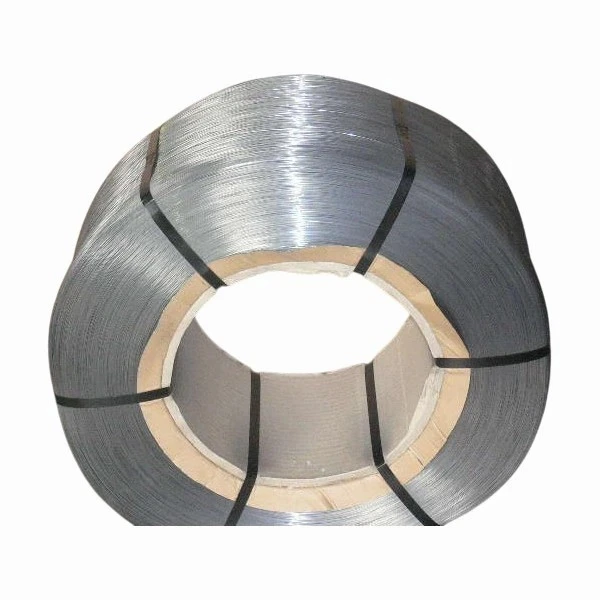
Carbon steel wire is a versatile and widely used material in various industries, thanks to its excellent mechanical properties, affordability, and ease of processing. As a carbon steel wire supplier, I often encounter customers who are interested in understanding the different grades of carbon steel wire and their specific applications. In this blog post, I will provide an in - depth overview of the various grades of carbon steel wire, their characteristics, and typical uses.
Low - Carbon Steel Wire
Low - carbon steel wire, also known as mild steel wire, typically contains carbon content ranging from 0.05% to 0.3%. This low carbon content gives it several distinct characteristics.
Characteristics
- Ductility: Low - carbon steel wire is highly ductile, which means it can be easily bent, stretched, and formed into different shapes without breaking. This property makes it ideal for applications that require complex forming processes.
- Weldability: It has excellent weldability, allowing it to be joined with other metals or components using various welding techniques. This is a crucial advantage in manufacturing processes where parts need to be assembled.
- Low strength compared to high - carbon steel: While it is not as strong as high - carbon steel, its lower strength is often sufficient for many general - purpose applications.
Applications
- Binding and fencing: Low - carbon steel wire is commonly used for binding agricultural products, such as hay bales, and for constructing fences. Its flexibility and affordability make it a popular choice for these applications. You can find our Cold Drawn Low Carbon Steel Wire which is well - suited for such uses.
- Wire mesh: It is also used to manufacture wire mesh for filtration, screening, and reinforcement purposes in construction and industrial settings.
- Crafts and DIY projects: Hobbyists and DIY enthusiasts often use low - carbon steel wire for making jewelry, sculptures, and other handicrafts due to its ease of handling.
Medium - Carbon Steel Wire
Medium - carbon steel wire has a carbon content ranging from 0.3% to 0.6%. It offers a balance between the properties of low - carbon and high - carbon steel.
Characteristics
- Increased strength: Compared to low - carbon steel wire, medium - carbon steel wire has higher strength, making it suitable for applications that require more load - bearing capacity.
- Good toughness: It maintains a reasonable level of toughness, which means it can withstand some impact and deformation without fracturing.
- Moderate ductility: While not as ductile as low - carbon steel wire, it still has sufficient ductility for many forming operations.
Applications
- Fasteners: Medium - carbon steel wire is commonly used to produce bolts, nuts, and screws. Its strength and toughness ensure that these fasteners can securely hold components together.
- Automotive parts: It is also used in the automotive industry for manufacturing various parts, such as suspension components and springs that require a combination of strength and flexibility.
- General engineering applications: In general engineering, medium - carbon steel wire can be found in machinery parts, shafts, and gears.
High - Carbon Steel Wire
High - carbon steel wire contains carbon content ranging from 0.6% to 1.5%. This high carbon content gives it unique properties that are highly valued in specific applications.
Characteristics
- High strength and hardness: High - carbon steel wire is extremely strong and hard, making it capable of withstanding high stresses and wear.
- Low ductility: Due to its high carbon content, it has relatively low ductility compared to low - and medium - carbon steel wire. This means it is more brittle and requires careful handling during forming operations.
- Good elasticity: It exhibits excellent elasticity, which is essential for applications such as springs.
Applications
- Springs: High - carbon steel wire is the material of choice for manufacturing springs, including compression springs, extension springs, and torsion springs. Our High Carbon Patented Spring Steel Wire is specifically designed for this purpose, offering superior performance and durability.
- Cutting tools: It is also used to make cutting tools, such as saw blades, knives, and scissors, because of its high hardness and wear resistance.
- Musical instrument strings: High - carbon steel wire is used in the production of strings for musical instruments like guitars and pianos, providing the necessary tension and tone quality.
Patented High - Carbon Steel Wire
Patented high - carbon steel wire is a special type of high - carbon steel wire that undergoes a patenting process.
Characteristics
- Improved microstructure: The patenting process involves heating the wire to a specific temperature and then rapidly cooling it, resulting in a fine - grained microstructure. This microstructure gives the wire enhanced strength, ductility, and fatigue resistance.
- Consistent properties: Patented high - carbon steel wire has more consistent mechanical properties compared to non - patented high - carbon steel wire, which is crucial for applications where precision and reliability are required.
Applications
- Wire ropes: Patented high - carbon steel wire is commonly used in the production of wire ropes for lifting, hoisting, and towing applications. Its high strength and fatigue resistance make it suitable for these demanding applications.
- Prestressed concrete: In the construction industry, it is used for prestressing concrete structures, such as bridges and high - rise buildings, to improve their load - bearing capacity. You can explore our Ungalvanized High Carbon Patented Steel Wire for such high - performance applications.
Galvanized Carbon Steel Wire
Galvanized carbon steel wire is carbon steel wire that has been coated with a layer of zinc to protect it from corrosion.
Characteristics
- Corrosion resistance: The zinc coating acts as a barrier, preventing the underlying steel from coming into contact with moisture and oxygen, which are the main causes of corrosion.
- Long service life: Galvanized carbon steel wire has a longer service life compared to non - galvanized wire, especially in outdoor or corrosive environments.
- Maintains mechanical properties: The galvanizing process does not significantly affect the mechanical properties of the carbon steel wire, so it still retains its strength and other performance characteristics.
Applications
- Fencing and outdoor structures: Galvanized carbon steel wire is widely used for fencing around properties, farms, and industrial areas. It is also used in the construction of outdoor structures, such as pergolas and trellises.
- Marine applications: In the marine industry, galvanized carbon steel wire is used for mooring lines, fishing nets, and other equipment that is exposed to saltwater.
As a carbon steel wire supplier, we understand the diverse needs of our customers. Whether you are looking for low - carbon steel wire for simple binding tasks, high - carbon steel wire for high - performance springs, or galvanized carbon steel wire for corrosion - resistant applications, we have a wide range of products to meet your requirements.
If you are interested in purchasing carbon steel wire for your specific application, we encourage you to contact us for more information and to discuss your procurement needs. Our team of experts is ready to assist you in selecting the right grade of carbon steel wire and providing you with the best solutions.

References
- ASM Handbook, Volume 1: Properties and Selection: Irons, Steels, and High - Performance Alloys.
- Metals Handbook Desk Edition, 2nd Edition.
- ASTM International Standards for Carbon Steel Wire.