

What are the effects of traditional phosphating on the paintability of the substrate?
As a long - standing supplier of traditional phosphating products, I've witnessed the widespread use and the intricate relationship between traditional phosphating and the paintability of substrates. In this blog, I'll delve into the effects of traditional phosphating on the paintability of the substrate, exploring both the positives and potential challenges.
Positive Effects of Traditional Phosphating on Paintability
Enhanced Adhesion
One of the most significant benefits of traditional phosphating is its ability to improve the adhesion of paint to the substrate. When a metal substrate undergoes phosphating, a thin layer of phosphate crystals is formed on its surface. These crystals create a micro - rough surface, which increases the surface area available for the paint to bond with. For example, in the automotive industry, where the durability of the paint finish is crucial, traditional phosphating is often used on steel body panels. The phosphate layer provides mechanical interlocking points for the paint, preventing it from peeling or flaking off easily. This enhanced adhesion is especially important in environments where the painted object is exposed to mechanical stress, such as vibrations or impacts.
Corrosion Resistance
Traditional phosphating also contributes to the corrosion resistance of the substrate, which in turn affects paintability. The phosphate layer acts as a barrier between the metal substrate and the environment, reducing the likelihood of corrosion. When a substrate is protected from corrosion, the paint on its surface remains intact for a longer period. For instance, in outdoor applications like fences and agricultural equipment, phosphated metal surfaces are less prone to rusting. Rust can cause the paint to bubble and separate from the substrate. By preventing rust formation, traditional phosphating ensures that the paint adheres well and maintains its aesthetic and protective qualities over time.
Uniform Paint Distribution
The phosphate coating created by traditional phosphating helps in achieving a more uniform distribution of paint on the substrate. The micro - rough surface of the phosphated substrate allows the paint to spread evenly, eliminating issues such as paint pooling or uneven thickness. This is particularly important in industries where a high - quality finish is required, such as the furniture and appliance manufacturing sectors. A uniform paint layer not only enhances the appearance of the product but also provides consistent protection across the entire surface of the substrate.
Different Types of Traditional Phosphating Agents and Their Impact on Paintability
Immersion Line Phosphatizing Agents
Immersion Line Phosphatizing Agents are commonly used in industrial settings where large - scale phosphating is required. These agents are designed to be used in immersion tanks, where the substrates are fully submerged in the phosphating solution. The immersion process allows for a thorough and uniform phosphating of complex - shaped substrates. The resulting phosphate layer is often very dense and provides excellent adhesion for paint. For example, in the manufacturing of metal pipes and tubes, immersion line phosphatizing agents ensure that the entire inner and outer surfaces of the pipes are phosphated evenly, leading to a high - quality paint finish.
Phosphatizing Agents for Continuous Line
Phosphatizing Agents for Continuous Line are suitable for high - volume production lines. These agents are formulated to work efficiently in continuous processes, where the substrates move through the phosphating station at a constant speed. The advantage of using these agents is that they can be integrated seamlessly into automated production lines. The phosphate layer formed by these agents is optimized for fast - drying paints, ensuring that the painting process can proceed quickly without compromising on the quality of the paint - substrate bond. In the production of electronic enclosures, for example, continuous line phosphatizing agents enable a smooth and efficient production process while maintaining excellent paintability.
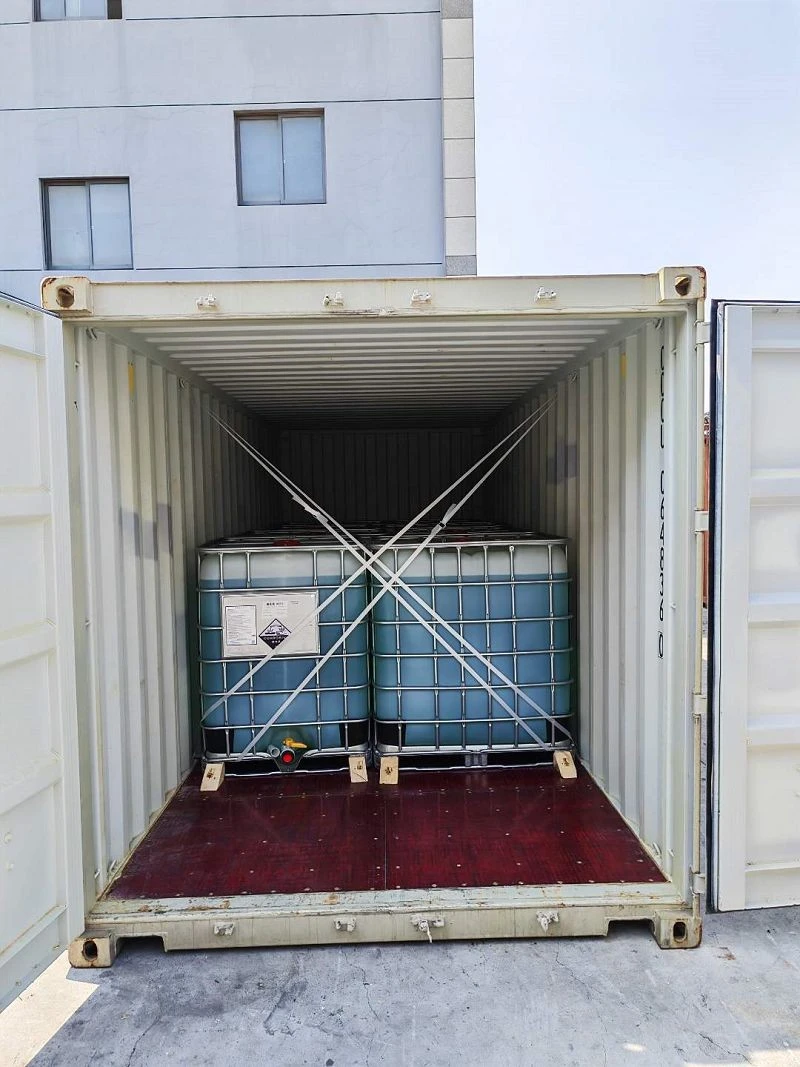
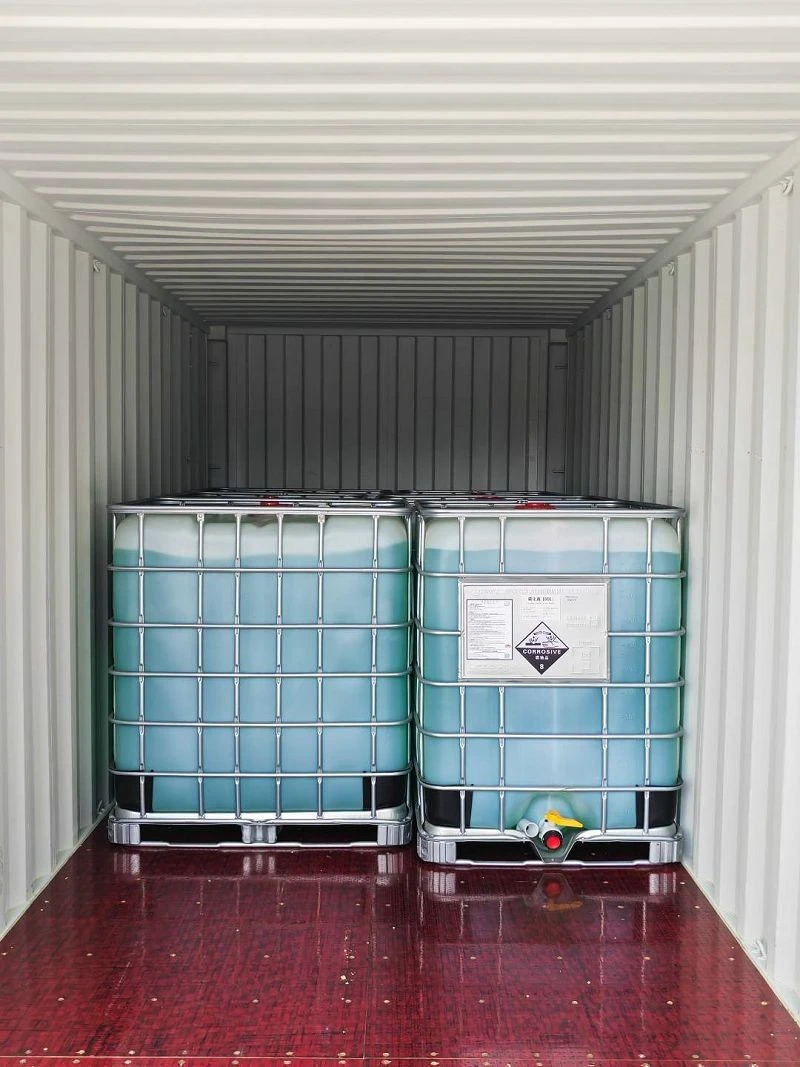
Cold - drawn Steel Phosphatizing Agents
Cold - drawn Steel Phosphatizing Agents are specifically designed for cold - drawn steel substrates. Cold - drawn steel has unique surface properties, and these agents are formulated to create a phosphate layer that is tailored to the characteristics of this type of steel. The resulting phosphate coating provides enhanced adhesion for paints on cold - drawn steel, which is commonly used in the manufacturing of precision parts, such as bolts and nuts. The improved paintability ensures that these parts are protected from corrosion and have an attractive appearance.
Potential Challenges and Mitigations
Environmental Concerns
Traditional phosphating processes often involve the use of chemicals that can be harmful to the environment. Phosphates can contribute to water pollution if not properly managed. As a supplier, we are aware of these concerns and are constantly working on developing more environmentally friendly phosphating agents. For example, we are researching and implementing processes that reduce the amount of phosphate waste generated during the phosphating process. Additionally, we are exploring the use of alternative chemicals that have a lower environmental impact while still maintaining the positive effects on paintability.
Process Complexity
The traditional phosphating process can be complex, requiring careful control of parameters such as temperature, pH, and immersion time. Any deviation from the optimal process conditions can affect the quality of the phosphate layer and, consequently, the paintability of the substrate. To address this issue, we provide comprehensive technical support to our customers. Our team of experts can assist in setting up the phosphating process, monitoring the parameters, and troubleshooting any problems that may arise. We also offer training programs to ensure that our customers' staff are well - versed in the proper operation of the phosphating equipment.
Conclusion
In conclusion, traditional phosphating has a profound impact on the paintability of substrates. It enhances adhesion, corrosion resistance, and paint distribution, making it an essential step in many industries. Our company, as a supplier of traditional phosphating agents, offers a range of products, including Immersion Line Phosphatizing Agents, Phosphatizing Agents for Continuous Line, and Cold - drawn Steel Phosphatizing Agents, to meet the diverse needs of our customers.
If you are interested in improving the paintability of your substrates through traditional phosphating, we invite you to contact us for a detailed discussion. Our team is ready to provide you with the best solutions tailored to your specific requirements. Whether you are in the automotive, furniture, or any other industry, we can help you achieve a high - quality paint finish on your products.
References
- Smith, J. (2018). "The Role of Phosphating in Surface Coating Technology." Journal of Surface Engineering.
- Brown, A. (2019). "Advances in Traditional Phosphating Processes." Industrial Coatings Review.
- Green, C. (2020). "Environmental Considerations in Phosphating Operations." Environmental Science and Technology Journal.