

What is the wear resistance of round steel wire?
What is the wear resistance of round steel wire?
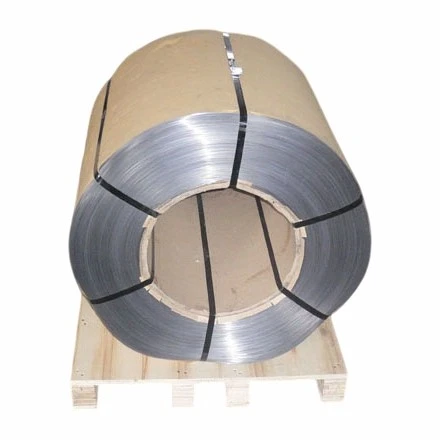
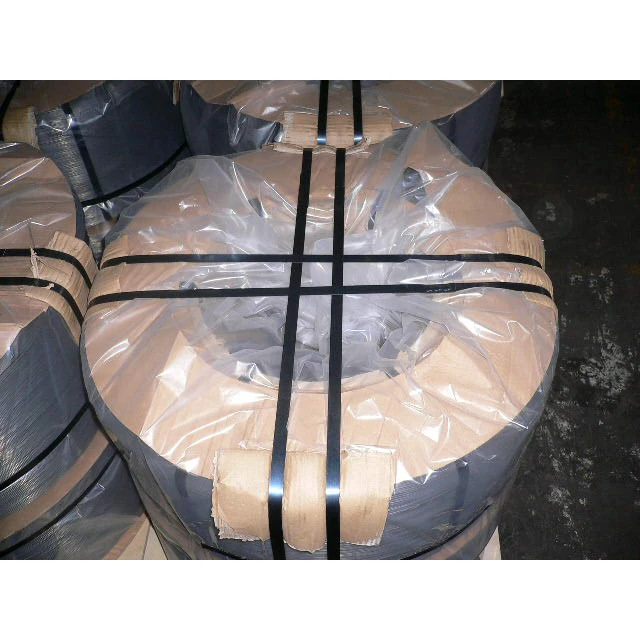
As a supplier of Round Steel Wire, I've been deeply involved in understanding the properties and applications of this versatile material. Wear resistance is a crucial characteristic that determines the performance and longevity of round steel wire in various industrial and commercial settings.
Understanding Wear Resistance
Wear resistance refers to a material's ability to withstand damage caused by contact and relative motion with another surface. In the case of round steel wire, it is exposed to different types of wear, including abrasive wear, adhesive wear, and fatigue wear.
Abrasive wear occurs when hard particles or rough surfaces rub against the wire, removing material from its surface. This can happen in applications such as wire drawing, where the wire passes through dies, or in conveyor systems where it comes into contact with abrasive materials. Adhesive wear, on the other hand, results from the bonding and shearing of surfaces in contact. When two surfaces stick together and then separate, material can be transferred from one surface to the other, leading to wear. Fatigue wear is caused by repeated cyclic loading, which can lead to the formation and propagation of cracks in the wire over time.
Factors Affecting the Wear Resistance of Round Steel Wire
- Material Composition
- The chemical composition of the steel plays a significant role in its wear resistance. For example, steels with higher carbon content generally have better wear resistance because carbon can form hard carbide particles within the steel matrix. Alloying elements such as chromium, molybdenum, and vanadium can also enhance wear resistance by increasing the hardness and toughness of the steel. These elements form carbides that are more stable and harder than those formed by carbon alone, providing better protection against abrasive wear.
- Stainless steels, which contain chromium and nickel, offer good corrosion - resistant properties in addition to wear resistance. The chromium forms a passive oxide layer on the surface of the wire, protecting it from oxidation and corrosion, which can also indirectly improve its wear resistance by preventing surface degradation.
- Heat Treatment
- Heat treatment processes such as quenching and tempering can significantly improve the wear resistance of round steel wire. Quenching involves rapid cooling of the wire from a high temperature, which results in the formation of a hard martensitic structure. Tempering is then carried out to reduce the brittleness of the martensite and improve its toughness. This combination of high hardness and good toughness makes the wire more resistant to wear.
- Annealing, on the other hand, is a heat treatment process that softens the steel. While it may not directly improve wear resistance, it can be used to relieve internal stresses in the wire, which can prevent premature failure due to fatigue wear.
- Surface Finish
- A smooth surface finish can reduce the coefficient of friction between the wire and the contacting surface, thereby reducing wear. Polishing the wire surface can remove surface irregularities and sharp edges that can act as stress concentration points and initiate wear. Additionally, surface coatings such as zinc plating or polymer coatings can provide an extra layer of protection against wear and corrosion. Zinc plating acts as a sacrificial anode, protecting the steel wire from rusting, while polymer coatings can reduce friction and provide a barrier against abrasive particles.
Applications of Wear - Resistant Round Steel Wire
- Mechanical Engineering
- In mechanical engineering, round steel wire with high wear resistance is used in applications such as bearings, gears, and chains. Bearings require wires that can withstand the high - load and continuous friction during operation. High - strength and wear - resistant round steel wire ensures smooth rotation and long - term performance of bearings. Gears also rely on the wear resistance of the wire to transmit power efficiently without excessive wear on the gear teeth. Chains, which are used in conveyor systems and power transmission, need to be made of wear - resistant wire to ensure reliable operation over long periods.
- Construction Industry
- In the construction industry, round steel wire is used in applications such as reinforcement in concrete structures. The wear resistance of the wire is important, especially in environments where the wire may be exposed to abrasive materials during construction or in service. For example, in some concrete mixtures, there may be coarse aggregates that can cause wear on the wire. Wear - resistant round steel wire can maintain its integrity and provide long - term reinforcement to the concrete structure.
- Automotive Industry
- The automotive industry uses round steel wire in various components, including springs, suspension systems, and brake cables. Springs need to be made of wear - resistant wire to maintain their elasticity and performance over time. Suspension systems rely on the wire's ability to withstand repeated loading and unloading without excessive wear. Brake cables, which are subjected to friction and wear during braking operations, require high - wear - resistant wire to ensure reliable braking performance.
Comparison with Other Types of Steel Wire
When comparing round steel wire with Rectangular Steel Wire and Cold Rolled Flat Steel Wire Strips, the wear resistance characteristics can vary. Rectangular steel wire may have different wear patterns due to its shape. The flat sides of the rectangular wire may be more prone to abrasive wear in certain applications where there is flat - on - flat contact. Cold rolled flat steel wire strips also have their own unique wear properties. The cold - rolling process can impart a certain texture and hardness to the strips, which can affect their wear resistance. However, round steel wire generally has a more uniform wear pattern due to its circular cross - section, which can be an advantage in applications where the direction of wear is not predictable.
Testing and Evaluation of Wear Resistance
To ensure the quality and wear resistance of our round steel wire, we conduct various tests. One common test is the pin - on - disc test, where a pin made of the round steel wire is rubbed against a rotating disc under a specific load. The amount of material loss from the pin is measured over a certain period, and this data is used to evaluate the wear resistance of the wire. Another test is the abrasive wear test, where the wire is exposed to an abrasive medium such as sandpaper or a slurry of abrasive particles. The change in weight or surface roughness of the wire is monitored to assess its wear resistance.
Conclusion
In conclusion, the wear resistance of round steel wire is a complex property that is influenced by factors such as material composition, heat treatment, and surface finish. Understanding these factors is crucial for selecting the right round steel wire for different applications. As a supplier of Round Steel Wire, we are committed to providing high - quality wire with excellent wear resistance. If you are in need of round steel wire for your specific application, we invite you to contact us for further discussion and to explore how our products can meet your requirements. Our team of experts is ready to assist you in choosing the most suitable wire based on your wear resistance needs and other performance criteria.
References
- ASM Handbook Volume 3: Alloy Phase Diagrams. ASM International.
- Callister, W. D., & Rethwisch, D. G. (2017). Materials Science and Engineering: An Introduction. Wiley.
- Dieter, G. E. (1986). Mechanical Metallurgy. McGraw - Hill.