

What are the environmental impacts of traditional phosphating?
Traditional phosphating is a widely used surface treatment technology in various industries, including automotive, machinery, and metal fabrication. As a traditional phosphating supplier, I have witnessed firsthand the extensive application of this process. However, it's crucial to delve into the environmental impacts associated with traditional phosphating to understand its sustainability and explore potential alternatives.
1. Water Pollution
One of the most significant environmental impacts of traditional phosphating is water pollution. The phosphating process typically involves multiple steps, including degreasing, pickling, phosphating, and post - treatment. Each of these steps generates wastewater containing a variety of pollutants.
The phosphating bath itself contains phosphate salts, such as zinc phosphate or manganese phosphate. When the parts are immersed in the bath, some of these phosphates can be carried away with the rinse water. Phosphate is a nutrient that can cause eutrophication in water bodies. Eutrophication leads to excessive growth of algae and other aquatic plants. As these plants die and decompose, they consume oxygen in the water, creating hypoxic or anoxic conditions that are harmful to fish and other aquatic organisms.
In addition to phosphates, the wastewater from traditional phosphating may also contain heavy metals. For example, zinc and nickel are commonly used in phosphating formulations. These heavy metals are toxic to aquatic life even at low concentrations. They can accumulate in the tissues of organisms, leading to long - term health problems and potentially entering the food chain.
To address these issues, wastewater treatment is essential for traditional phosphating operations. However, treating the complex mixture of phosphates and heavy metals in the wastewater can be challenging and costly. Advanced treatment technologies, such as chemical precipitation, ion exchange, and membrane filtration, are often required to remove these pollutants to acceptable levels.
2. Air Pollution
Traditional phosphating processes can also contribute to air pollution. During the pickling step, which is used to remove rust and scale from the metal surface, strong acids such as hydrochloric acid or sulfuric acid are commonly used. These acids can release acid mists into the air. Acid mists are harmful to human health, causing respiratory problems, eye irritation, and damage to the skin.
In the phosphating bath, some of the chemicals may volatilize, especially at elevated temperatures. For example, some phosphating agents may release volatile organic compounds (VOCs). VOCs are precursors to the formation of ground - level ozone, a major component of smog. Ground - level ozone can cause respiratory problems, reduce lung function, and damage crops and other vegetation.
To mitigate air pollution from traditional phosphating, proper ventilation systems are necessary. Local exhaust ventilation can capture the acid mists and VOCs at the source and prevent them from spreading into the workplace and the surrounding environment. However, the captured pollutants still need to be treated before being released into the atmosphere.
3. Solid Waste Generation
Another environmental concern associated with traditional phosphating is solid waste generation. The phosphating process produces several types of solid waste. One of the main sources of solid waste is the sludge generated during wastewater treatment. When chemicals are added to the wastewater to precipitate phosphates and heavy metals, a sludge is formed. This sludge contains high concentrations of phosphates, heavy metals, and other contaminants.
Disposing of this sludge is a challenge. It cannot be simply landfilled because of the potential for leaching of heavy metals into the soil and groundwater. Specialized treatment and disposal methods, such as incineration or secure landfilling, are required. These methods are often expensive and may have their own environmental impacts.
In addition to the wastewater treatment sludge, there may also be waste generated from the replacement of phosphating bath solutions. Over time, the phosphating bath becomes depleted of active ingredients and contaminated with impurities. When the bath is replaced, the old solution needs to be disposed of properly.
4. Energy Consumption
Traditional phosphating processes are energy - intensive. The pickling and phosphating steps often require heating the solutions to achieve the desired reaction rates. Heating large volumes of water - based solutions consumes a significant amount of energy, usually in the form of electricity or natural gas.
The energy consumption not only contributes to high operating costs but also has environmental implications. The generation of electricity and natural gas often involves the burning of fossil fuels, which releases greenhouse gases such as carbon dioxide into the atmosphere. Greenhouse gas emissions are a major contributor to climate change, leading to rising global temperatures, sea - level rise, and more extreme weather events.
5. Resource Depletion
Traditional phosphating relies on the use of non - renewable resources. Phosphates are derived from phosphate rock, which is a finite resource. As the demand for traditional phosphating continues to grow, the extraction of phosphate rock can lead to resource depletion.

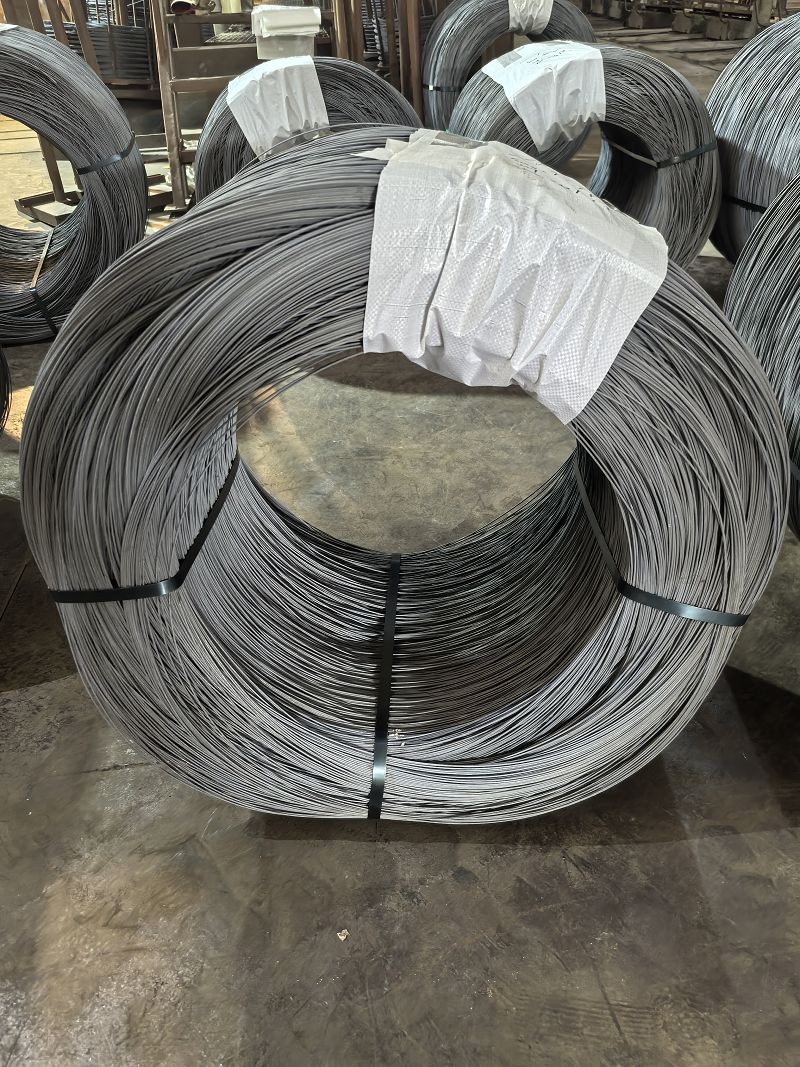
Moreover, the heavy metals used in phosphating formulations, such as zinc and nickel, are also non - renewable resources. The mining and extraction of these metals have significant environmental impacts, including habitat destruction, soil erosion, and water pollution.
Potential Solutions and Alternatives
Despite the environmental impacts of traditional phosphating, there are several potential solutions and alternatives.
One approach is to optimize the traditional phosphating process to reduce its environmental footprint. This can include improving the efficiency of the phosphating bath, reducing the use of chemicals, and implementing better process control. For example, by using more precise dosing systems, the amount of phosphates and heavy metals in the bath can be minimized.
Another option is to explore alternative surface treatment technologies. For example, there are some environmentally friendly conversion coatings that can provide similar corrosion protection as traditional phosphating without the use of phosphates and heavy metals. These coatings are often based on organic or inorganic compounds that are less harmful to the environment.
As a traditional phosphating supplier, we offer a range of products to meet different customer needs. You can check out our Cold - drawn Steel Phosphatizing Agents, Immersion Line Phosphatizing Agents, and Phosphatizing Agents for Continuous Line.
We understand the importance of environmental protection and are committed to working with our customers to find the most sustainable solutions. If you are interested in our products or have any questions about traditional phosphating, we invite you to contact us for procurement and further discussion.
References
- Smith, J. (2018). Environmental Impacts of Metal Surface Treatment Processes. Journal of Environmental Science and Technology, 25(3), 123 - 135.
- Johnson, M. (2019). Wastewater Treatment for Phosphating Operations. Industrial Waste Management Review, 32(2), 45 - 56.
- Brown, A. (2020). Alternative Surface Treatment Technologies to Traditional Phosphating. Surface Engineering Journal, 18(4), 234 - 245.