

What is the corrosion resistance of carbon steel wire?
Carbon steel wire is a versatile and widely used material in various industries, thanks to its strength, durability, and cost - effectiveness. One of the key properties that significantly impacts its performance and application is its corrosion resistance. As a carbon steel wire supplier, understanding and communicating the corrosion resistance of our products is crucial for our customers to make informed decisions.
What is Corrosion?
Corrosion is a natural process that occurs when metals react with their environment, usually oxygen and water. In the case of carbon steel wire, this reaction leads to the formation of iron oxide, commonly known as rust. Rust not only degrades the appearance of the wire but also weakens its mechanical properties, reducing its strength and lifespan. The corrosion process can be accelerated by factors such as humidity, temperature, and the presence of corrosive chemicals in the environment.
Factors Affecting the Corrosion Resistance of Carbon Steel Wire
Carbon Content
The carbon content in carbon steel wire plays a vital role in its corrosion resistance. Generally, as the carbon content increases, the corrosion resistance of the steel decreases. High - carbon steel wires, such as High Carbon Steel Wire Rope, have a higher susceptibility to corrosion compared to low - carbon steel wires. This is because carbon can form iron carbide, which creates an electrochemical potential difference within the steel, promoting the corrosion process.
Surface Finish
The surface finish of carbon steel wire can significantly affect its corrosion resistance. A smooth and clean surface is less likely to trap moisture and contaminants, reducing the risk of corrosion. For example, Cold Drawn Low Carbon Steel Wire often has a better surface finish due to the cold - drawing process, which can enhance its corrosion resistance to some extent. Additionally, surface treatments such as galvanizing, painting, or coating can provide a protective barrier between the steel and the environment, further improving corrosion resistance.
Environmental Conditions
The environment in which the carbon steel wire is used has a profound impact on its corrosion rate. In a dry and clean environment, the corrosion process is relatively slow. However, in a humid, salty, or acidic environment, the corrosion rate can increase significantly. For instance, carbon steel wire used in coastal areas is more prone to corrosion due to the high salt content in the air, while wire used in industrial settings may be exposed to acidic fumes or chemicals, accelerating the corrosion process.
Measuring Corrosion Resistance
There are several methods to measure the corrosion resistance of carbon steel wire. One common method is the salt spray test, where the wire is exposed to a salt - water mist in a controlled environment for a specified period. The amount of rust or corrosion on the wire surface is then evaluated to determine its corrosion resistance. Another method is electrochemical testing, which measures the electrical properties of the steel in a corrosive environment to assess its corrosion behavior.
Improving the Corrosion Resistance of Carbon Steel Wire
Alloying Elements
Adding alloying elements to carbon steel can improve its corrosion resistance. For example, the addition of chromium can form a passive oxide layer on the steel surface, which acts as a barrier against corrosion. Nickel can also enhance the corrosion resistance of steel, especially in acidic environments. However, the addition of alloying elements increases the cost of the steel, so a balance needs to be struck between cost and performance.
Surface Treatments
As mentioned earlier, surface treatments are an effective way to improve the corrosion resistance of carbon steel wire. Galvanizing, which involves coating the wire with a layer of zinc, is a popular method. Zinc is more reactive than iron, so it corrodes first, protecting the underlying steel. Painting and powder coating can also provide a protective layer, but they may require regular maintenance to ensure their effectiveness.
Design Considerations
Proper design can also help improve the corrosion resistance of carbon steel wire. For example, avoiding areas where moisture can accumulate, such as crevices or joints, can reduce the risk of corrosion. Additionally, providing adequate drainage and ventilation in the application can help keep the wire dry, minimizing the corrosion process.
Applications and Corrosion Resistance Requirements
The corrosion resistance requirements of carbon steel wire vary depending on its application. In some applications, such as construction reinforcement, a moderate level of corrosion resistance may be sufficient, as the wire is often embedded in concrete, which provides some protection. However, in applications where the wire is exposed to harsh environments, such as marine or chemical industries, a high level of corrosion resistance is essential. For example, High Carbon Patented Spring Steel Wire used in springs for outdoor equipment needs to have good corrosion resistance to ensure its long - term performance.
Our Role as a Carbon Steel Wire Supplier
As a carbon steel wire supplier, we are committed to providing our customers with high - quality products with appropriate corrosion resistance. We work closely with our customers to understand their specific application requirements and recommend the most suitable type of carbon steel wire. Our products undergo strict quality control measures, including corrosion resistance testing, to ensure they meet or exceed industry standards.

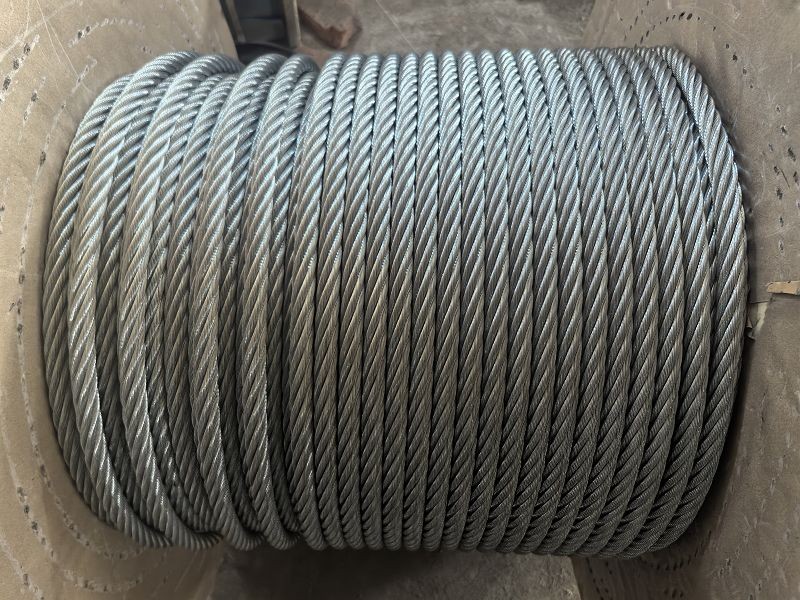
We also offer a range of surface treatment options to enhance the corrosion resistance of our carbon steel wire. Whether it's galvanizing, painting, or custom - coating, we can provide solutions tailored to our customers' needs. Our technical support team is always available to provide advice on corrosion prevention and maintenance, helping our customers get the most out of our products.
Conclusion
The corrosion resistance of carbon steel wire is a complex property that is influenced by various factors, including carbon content, surface finish, and environmental conditions. Understanding these factors is essential for selecting the right type of carbon steel wire for different applications. As a carbon steel wire supplier, we are dedicated to providing our customers with products that offer optimal corrosion resistance, backed by our expertise and commitment to quality.
If you are in need of carbon steel wire for your project and have questions about corrosion resistance or other product features, we invite you to contact us for a detailed discussion. Our team of experts is ready to assist you in making the best choice for your specific needs and ensuring the long - term success of your application.
References
- Jones, D. A. (1992). Principles and Prevention of Corrosion. Prentice Hall.
- Uhlig, H. H., & Revie, R. W. (1985). Corrosion and Corrosion Control. Wiley - Interscience.
- Fontana, M. G. (1986). Corrosion Engineering. McGraw - Hill.