

How does steel wire technology interact with automation in manufacturing?
In the modern manufacturing landscape, the integration of steel wire technology and automation has emerged as a pivotal force, driving efficiency, precision, and innovation. As a leading supplier of steel wire technology, I have witnessed firsthand the transformative impact of this synergy on various industries. This blog post aims to explore how steel wire technology interacts with automation in manufacturing, highlighting the benefits, challenges, and future prospects of this dynamic relationship.
The Role of Steel Wire Technology in Manufacturing
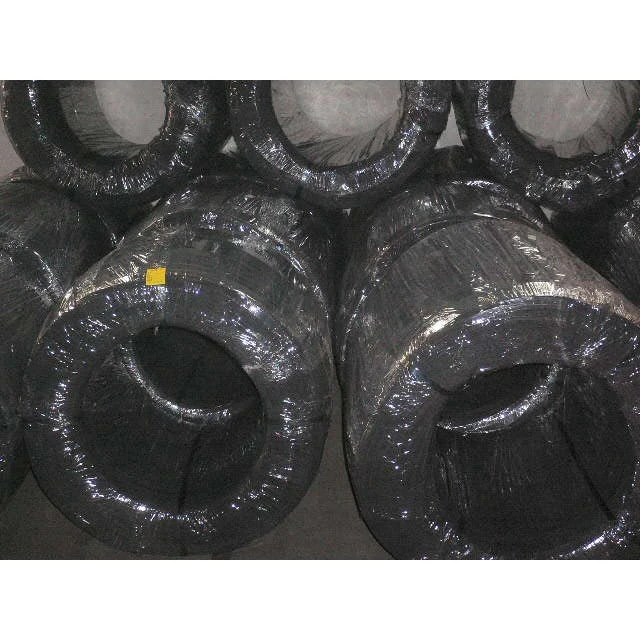
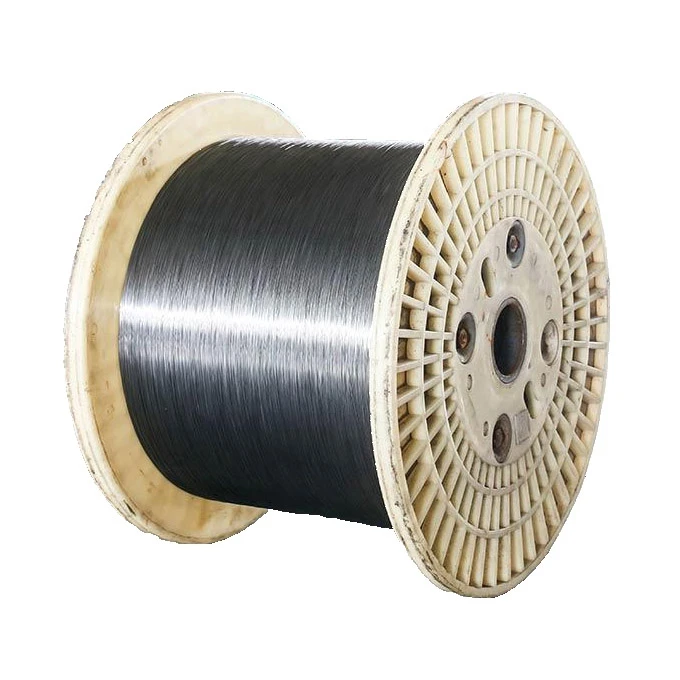
Steel wire is a versatile material that finds applications in a wide range of industries, including automotive, construction, aerospace, and electronics. Its strength, durability, and flexibility make it an ideal choice for various manufacturing processes, such as wire drawing, cold heading, and welding. At our company, we offer a comprehensive range of steel wire products, including Patented Steel Wire, Phosphate Coating Steel Wire, and Cold Drawn Steel Wire, each designed to meet the specific requirements of our customers.
Our patented steel wire technology is based on a unique manufacturing process that enhances the strength and ductility of the wire, making it suitable for high-stress applications. The phosphate coating on our steel wire provides excellent corrosion resistance, making it ideal for outdoor and marine applications. Cold drawn steel wire, on the other hand, is known for its high precision and surface finish, making it suitable for applications that require tight tolerances.
The Rise of Automation in Manufacturing
Automation has become an integral part of modern manufacturing, enabling companies to improve productivity, quality, and safety. With the advancements in robotics, artificial intelligence, and machine learning, automation has become more sophisticated and capable of performing complex tasks with high precision and efficiency. In the steel wire manufacturing industry, automation has been used to streamline various processes, such as wire drawing, annealing, and coating.
One of the key benefits of automation in steel wire manufacturing is the ability to reduce human error and improve product quality. Automated systems can perform repetitive tasks with high precision, ensuring consistent product quality and reducing the risk of defects. Additionally, automation can improve safety by reducing the need for human operators to work in hazardous environments.
The Interaction between Steel Wire Technology and Automation
The interaction between steel wire technology and automation in manufacturing is a symbiotic relationship that offers numerous benefits. On one hand, automation enables the efficient production of high-quality steel wire products by streamlining manufacturing processes and reducing human error. On the other hand, advanced steel wire technology provides the raw materials and components necessary for the development and operation of automated systems.
1. Precision Manufacturing
Automation plays a crucial role in achieving the high precision required in steel wire manufacturing. Automated wire drawing machines can control the diameter, length, and surface finish of the wire with high accuracy, ensuring that the final product meets the strictest quality standards. Additionally, automation can be used to perform quality control checks during the manufacturing process, detecting and correcting any defects in real-time.
2. Process Optimization
Automation can also be used to optimize the manufacturing process of steel wire. By collecting and analyzing data from various sensors and monitoring devices, automated systems can identify areas for improvement and make adjustments to the manufacturing process in real-time. This can lead to increased productivity, reduced waste, and lower production costs.
3. Customization
The combination of steel wire technology and automation enables the production of customized steel wire products to meet the specific requirements of customers. Automated systems can be programmed to produce wire with different diameters, lengths, and surface finishes, allowing for greater flexibility in product design. Additionally, automation can be used to produce complex shapes and geometries that would be difficult or impossible to achieve manually.
4. Integration with Other Technologies
Automation in steel wire manufacturing can be integrated with other technologies, such as robotics, artificial intelligence, and the Internet of Things (IoT), to create a smart manufacturing ecosystem. For example, robots can be used to handle and transport steel wire products, while artificial intelligence can be used to optimize the manufacturing process and predict maintenance needs. The IoT can be used to connect various devices and systems in the manufacturing plant, enabling real-time monitoring and control of the production process.
Challenges and Solutions
While the interaction between steel wire technology and automation offers numerous benefits, it also presents some challenges. One of the main challenges is the high cost of implementing automation systems, which can be a barrier for small and medium-sized enterprises. Additionally, the integration of different technologies and systems can be complex and require specialized knowledge and skills.
To overcome these challenges, companies can adopt a phased approach to automation, starting with the implementation of simple automated systems and gradually scaling up as the benefits become more apparent. Additionally, companies can partner with technology providers and consultants to help them design and implement automation solutions that are tailored to their specific needs.
Future Prospects
The future of the interaction between steel wire technology and automation in manufacturing looks promising. With the continued advancements in technology, we can expect to see even greater integration between these two fields, leading to the development of more sophisticated and efficient manufacturing processes.
One of the key trends in the future of steel wire manufacturing is the development of smart factories, where automation, artificial intelligence, and the IoT are used to create a fully integrated and optimized manufacturing ecosystem. In a smart factory, steel wire products can be designed, manufactured, and tested in real-time, with the ability to make adjustments to the manufacturing process based on changing customer requirements and market conditions.
Another trend is the increasing use of additive manufacturing, also known as 3D printing, in steel wire manufacturing. Additive manufacturing enables the production of complex shapes and geometries that would be difficult or impossible to achieve using traditional manufacturing methods. This can lead to the development of new and innovative steel wire products with improved performance and functionality.
Conclusion
The interaction between steel wire technology and automation in manufacturing is a dynamic and evolving relationship that offers numerous benefits. By leveraging the latest advancements in technology, companies can improve productivity, quality, and safety in steel wire manufacturing, while also reducing costs and waste. As a supplier of steel wire technology, we are committed to working with our customers to develop and implement innovative solutions that meet their specific needs.
If you are interested in learning more about our steel wire technology products or how automation can be integrated into your manufacturing process, please contact us to schedule a consultation. We look forward to the opportunity to work with you and help you achieve your manufacturing goals.
References
- Smith, J. (2020). Automation in Manufacturing: Trends and Challenges. Journal of Manufacturing Technology Management, 31(5), 789-805.
- Johnson, A. (2019). The Role of Steel Wire in Modern Manufacturing. International Journal of Steel Research, 91(3), 213-225.
- Brown, R. (2021). Smart Factories: The Future of Manufacturing. Manufacturing Technology Review, 45(2), 45-56.