

What are the acoustic properties of oil tempered steel wire?
Hey there! As a supplier of oil tempered steel wire, I've had my fair share of chats with folks curious about its acoustic properties. So, I thought I'd take a moment to break it down for you all.
First off, let's talk about what oil tempered steel wire is. It's a type of steel wire that goes through a special heat - treating process called oil tempering. This process involves heating the wire to a specific temperature and then quenching it in oil. The result is a wire that's strong, durable, and has some unique physical and acoustic characteristics.
One of the key acoustic properties of oil tempered steel wire is its high tensile strength. This strength allows the wire to vibrate in a very controlled way when struck or plucked. When a force is applied to the wire, it stores potential energy. As it starts to vibrate, this potential energy is converted into kinetic energy, which is then radiated as sound waves. The high tensile strength means that the wire can withstand a lot of stress without deforming easily. This results in a clear, consistent tone when it vibrates.
Another important aspect is its elasticity. Elasticity refers to the ability of the wire to return to its original shape after being deformed. Oil tempered steel wire has good elasticity, which is crucial for producing musical tones. When the wire is plucked or struck, it deforms slightly. Due to its elasticity, it quickly returns to its original position, creating a series of vibrations. These vibrations are what we perceive as sound. The better the elasticity, the more sustained and pure the tone will be.
The density of the oil tempered steel wire also plays a role in its acoustic properties. Density affects the speed at which sound waves travel through the wire. A higher - density wire will generally have a slower speed of sound propagation compared to a lower - density one. This can influence the pitch and timbre of the sound produced. In the case of oil tempered steel wire, its density is carefully controlled during the manufacturing process to achieve the desired acoustic characteristics.
Now, let's compare oil tempered steel wire with some other types of steel wire. Take Patented Steel Wire for example. Patented steel wire goes through a different heat - treating process called patenting. While it also has good strength, its acoustic properties can be different from oil tempered steel wire. Patented steel wire may have a slightly different tone quality, perhaps a bit brighter or more brittle in sound, depending on its specific composition and heat - treatment.
Cold Drawn Steel Wire is another type. Cold drawing is a process where the wire is pulled through a die to reduce its diameter. This process can increase the wire's strength but may also affect its acoustic properties. Cold drawn steel wire might not have the same level of elasticity as oil tempered steel wire, which could result in a less sustained or less pure tone.
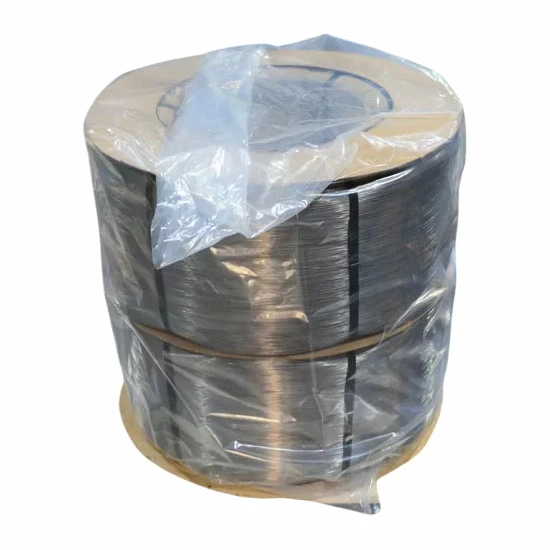
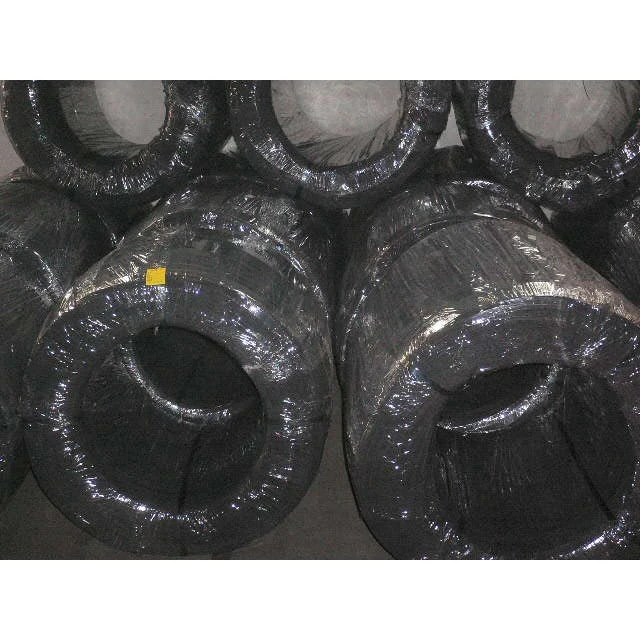
Phosphate Coating Steel Wire has a phosphate coating on its surface. This coating can protect the wire from corrosion but may also have an impact on its acoustic performance. The coating can add a bit of mass to the wire, which might change the way it vibrates and the sound it produces.
In the world of musical instruments, oil tempered steel wire is quite popular. It's commonly used in guitars, pianos, and other stringed instruments. In guitars, for instance, the oil tempered steel strings can provide a rich, warm tone that many musicians love. The controlled vibrations of the wire allow for precise tuning and a wide range of expression.
In pianos, the oil tempered steel wires are used as the strings that produce the musical notes. The high tensile strength and good elasticity of the wire ensure that the piano can produce a clear and long - lasting sound. The consistent acoustic properties of the wire also make it easier to tune the piano and maintain its pitch over time.
But it's not just in musical instruments where oil tempered steel wire's acoustic properties are useful. It can also be used in some industrial applications where sound production or vibration control is important. For example, in some machinery, the wire can be used to create specific sound signals or to dampen unwanted vibrations.
If you're in the market for oil tempered steel wire, whether it's for musical instrument manufacturing or industrial use, you'll want to consider these acoustic properties. The right wire can make a big difference in the performance and quality of your product.
We, as a supplier, take great pride in providing high - quality oil tempered steel wire. Our manufacturing process is carefully monitored to ensure that each wire meets the strictest standards for acoustic performance. We understand that every customer has unique requirements, and we're always ready to work with you to find the perfect wire for your needs.
If you're interested in learning more about our oil tempered steel wire or have any questions regarding its acoustic properties, don't hesitate to reach out. We're here to help you make the best choice for your project. Whether you're a small - scale musical instrument maker or a large - scale industrial manufacturer, we've got the wire that can meet your acoustic needs.
So, if you're looking to enhance the sound quality of your products or control vibrations in your machinery, get in touch with us. Let's start a conversation about how our oil tempered steel wire can take your project to the next level.
References
- "Steel Wire Handbook" - A comprehensive guide on different types of steel wires and their properties.
- "Musical Acoustics" - A book that delves into the science of sound production in musical instruments.
- Industry research papers on the acoustic properties of various steel materials.