

How does the brass coating affect the friction coefficient of steel wire?
In the dynamic world of industrial materials, steel wire stands as a cornerstone, finding applications in countless sectors from construction to automotive manufacturing. As a leading supplier of Brass Coated Steel Wire, I've witnessed firsthand the transformative impact of brass coating on the performance of steel wire, particularly in relation to its friction coefficient. This blog post delves into the science behind brass coating and how it affects the friction coefficient of steel wire, offering valuable insights for industry professionals and potential customers.
Understanding the Friction Coefficient
Before we explore the influence of brass coating, it's essential to understand what the friction coefficient represents. In simple terms, the friction coefficient is a measure of the resistance to relative motion between two surfaces in contact. For steel wire, this can significantly impact its performance in various applications. A high friction coefficient may lead to increased wear and tear, energy consumption, and potential damage to the wire and the components it interacts with. Conversely, a low friction coefficient can enhance efficiency, reduce maintenance costs, and extend the lifespan of the wire.
The Role of Brass Coating
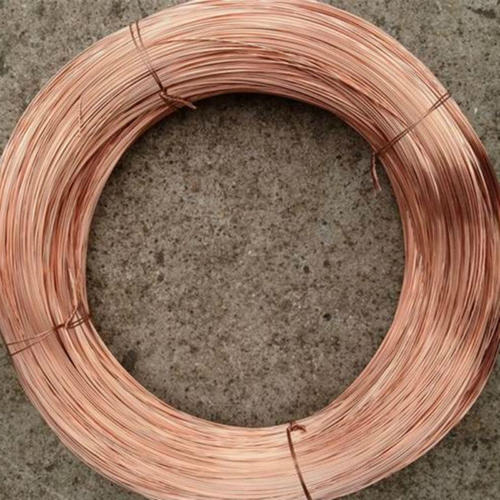
Brass, an alloy of copper and zinc, has long been recognized for its excellent mechanical and chemical properties. When applied as a coating to steel wire, brass offers several benefits that directly affect the friction coefficient.
Lubrication and Wear Resistance
One of the primary ways brass coating influences the friction coefficient is through its lubricating properties. The smooth surface of the brass coating reduces the direct contact between the steel wire and other surfaces, minimizing friction and wear. This is particularly important in applications where the wire is subjected to high levels of stress or repeated movement, such as in cable systems or conveyor belts.
Corrosion Protection
Brass is highly resistant to corrosion, which can also impact the friction coefficient of steel wire. Corrosion can cause the surface of the wire to become rough and uneven, increasing friction and reducing its overall performance. By providing a protective barrier against moisture, oxygen, and other corrosive agents, the brass coating helps maintain the smoothness of the wire surface, ensuring consistent friction characteristics over time.
Surface Hardness and Smoothness
The hardness and smoothness of the brass coating play a crucial role in determining the friction coefficient. A harder coating can withstand greater pressure and wear, while a smoother surface reduces the contact area between the wire and other surfaces, further reducing friction. The composition and thickness of the brass coating can be carefully controlled to optimize these properties, ensuring the wire meets the specific requirements of each application.
Factors Affecting the Impact of Brass Coating on Friction Coefficient
While brass coating generally reduces the friction coefficient of steel wire, several factors can influence the extent of this effect.
Coating Thickness
The thickness of the brass coating can significantly impact the friction coefficient. A thicker coating provides greater protection and lubrication, resulting in a lower friction coefficient. However, excessively thick coatings may also increase the weight and cost of the wire, as well as potentially affecting its flexibility and conductivity. Therefore, it's important to find the optimal coating thickness based on the specific application requirements.
Surface Finish
The surface finish of the brass coating can also affect the friction coefficient. A smooth, polished surface reduces friction, while a rough or textured surface may increase it. The manufacturing process used to apply the brass coating can be adjusted to achieve the desired surface finish, ensuring the wire meets the performance requirements of each application.
Operating Conditions
The operating conditions, such as temperature, humidity, and the presence of contaminants, can also influence the friction coefficient of brass-coated steel wire. High temperatures can cause the brass coating to soften or oxidize, increasing friction. Similarly, high humidity or the presence of abrasive particles can damage the coating and increase wear. Therefore, it's important to consider these factors when selecting brass-coated steel wire for a particular application.
Applications of Brass Coated Steel Wire with Low Friction Coefficient
The reduced friction coefficient of brass-coated steel wire makes it suitable for a wide range of applications across various industries.
Automotive Industry
In the automotive industry, brass-coated steel wire is commonly used in brake cables, clutch cables, and transmission systems. The low friction coefficient of the wire ensures smooth and efficient operation, reducing wear and tear on the components and improving overall performance.
Construction Industry
In the construction industry, brass-coated steel wire is used in applications such as suspension bridges, cable-stayed structures, and pre-stressed concrete. The low friction coefficient of the wire helps to reduce the stress on the cables and improve their durability, ensuring the long-term stability of the structures.
Electrical Industry
In the electrical industry, brass-coated steel wire is used in applications such as electrical conductors, grounding wires, and electromagnetic shielding. The low friction coefficient of the wire allows for easy installation and reduces the risk of damage during handling, ensuring reliable electrical performance.
Comparing Brass Coated Steel Wire with Other Coated and Uncoated Wires
To fully appreciate the benefits of brass-coated steel wire, it's helpful to compare it with other types of coated and uncoated wires.
Anti Oxidation Copper Coated Steel Wire
Anti oxidation copper coated steel wire offers excellent electrical conductivity and corrosion resistance. However, compared to brass-coated steel wire, it may have a higher friction coefficient due to the relatively softer nature of copper. This can make it less suitable for applications where low friction is critical.
Tin Plated Bronze Steel Wire
Tin plated bronze steel wire provides good corrosion resistance and solderability. However, the tin plating may not offer the same level of lubrication and wear resistance as a brass coating, resulting in a higher friction coefficient.
Uncoated Steel Wire
Uncoated steel wire is the most basic form of steel wire and is typically the least expensive. However, it is highly susceptible to corrosion and wear, which can significantly increase the friction coefficient over time. This makes it less suitable for applications where long-term performance and reliability are required.
Conclusion
In conclusion, brass coating has a significant impact on the friction coefficient of steel wire, offering several benefits that enhance its performance and durability. By providing lubrication, wear resistance, corrosion protection, and a smooth surface finish, brass-coated steel wire reduces friction, extends the lifespan of the wire, and improves the efficiency of various applications. As a leading supplier of Brass Coated Steel Wire, we are committed to providing high-quality products that meet the specific needs of our customers. Whether you're in the automotive, construction, electrical, or any other industry, our brass-coated steel wire can offer the performance and reliability you require.
If you're interested in learning more about our Brass Coated Steel Wire or would like to discuss your specific requirements, please don't hesitate to contact us. Our team of experts is ready to assist you in finding the perfect solution for your application.
References
- Smith, J. (2018). The Science of Coating Materials. New York: Elsevier.
- Johnson, M. (2019). Friction and Wear in Industrial Applications. London: Springer.
- Brown, A. (2020). Corrosion Protection of Steel Structures. Sydney: Wiley.