

What are the hygienic requirements for carbon steel wire in the food industry?
In the food industry, the choice of materials is of utmost importance to ensure the safety and quality of food products. Carbon steel wire is a commonly used material in various food - related applications, such as food processing equipment, packaging, and storage. As a carbon steel wire supplier, I understand the critical role that carbon steel wire plays in the food industry and the strict hygienic requirements it must meet.
1. Chemical Composition and Hygiene
The chemical composition of carbon steel wire is a fundamental factor in determining its suitability for the food industry. Carbon steel mainly consists of iron and carbon, with small amounts of other elements such as manganese, silicon, sulfur, and phosphorus.
- Purity of Iron and Carbon: High - purity iron and carbon are essential. Impurities in the steel can potentially leach into food products, posing a health risk. For example, heavy metals like lead, mercury, or cadmium, if present in trace amounts in the steel, can contaminate food. Our carbon steel wire is produced using high - quality raw materials, ensuring a low level of harmful impurities. This helps to prevent any chemical contamination of food during its contact with the wire.
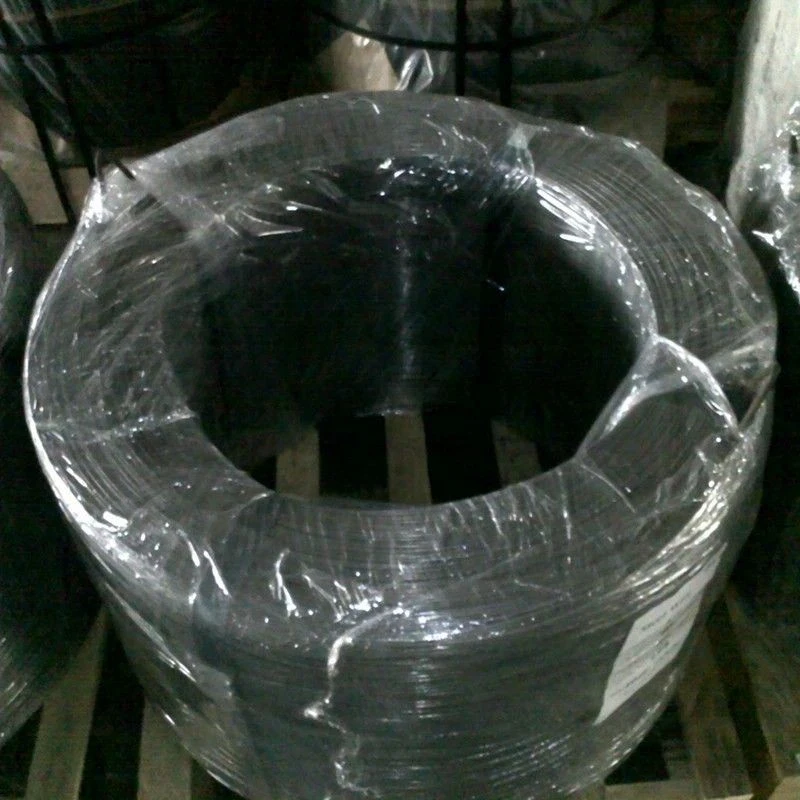
- Alloying Elements: Some alloying elements are added to carbon steel to enhance its properties. However, in the food industry, the choice of alloying elements must be carefully considered. For instance, chromium is often added to steel to improve corrosion resistance. But if the chromium is not properly stabilized, it can form hexavalent chromium, which is highly toxic. Our Cold Drawn High Carbon Steel Wire and Cold Drawn Low Carbon Steel Wire are formulated with alloying elements that are safe for food contact, following strict industry standards.
2. Surface Finish and Hygiene
The surface finish of carbon steel wire has a significant impact on its hygienic properties. A smooth and clean surface is crucial to prevent the accumulation of food particles, bacteria, and other contaminants.
- Smoothness: A smooth surface finish reduces the risk of food particles getting trapped on the wire. During food processing, if food residues remain on the wire, they can provide a breeding ground for bacteria. Our carbon steel wire undergoes a series of precision manufacturing processes to achieve a smooth surface. This not only helps in maintaining hygiene but also makes the wire easier to clean.
- Coatings: In some cases, coatings are applied to carbon steel wire to enhance its corrosion resistance and hygienic properties. For example, a food - grade epoxy coating can be used to create a barrier between the steel and the food. The coating should be non - toxic, non - migratory, and resistant to wear and tear. Our wire coatings are carefully selected and tested to ensure they meet all the relevant food safety regulations.
3. Corrosion Resistance and Hygiene
Corrosion of carbon steel wire can lead to the release of rust particles into food, which is not only unappetizing but also a potential health hazard. Therefore, corrosion resistance is a key hygienic requirement.
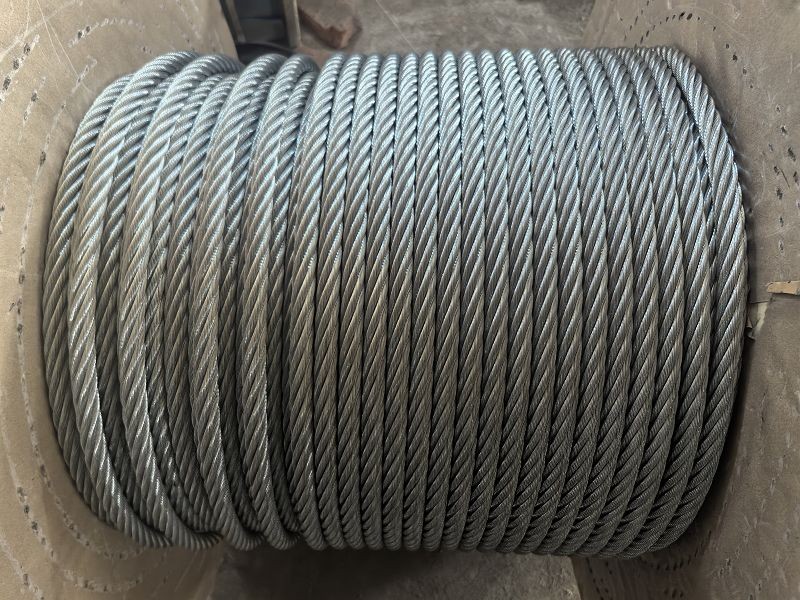
- Factors Affecting Corrosion: The environment in which the carbon steel wire is used in the food industry can be corrosive. Moisture, acidic or alkaline food products, and cleaning agents can all contribute to corrosion. Our High Carbon Steel Wire Rope is designed with enhanced corrosion - resistant properties. By controlling the chemical composition and applying appropriate surface treatments, we can significantly reduce the risk of corrosion.
- Testing for Corrosion Resistance: To ensure the quality of our carbon steel wire, we conduct rigorous corrosion tests. These tests simulate the actual conditions in the food industry, such as exposure to different food acids and cleaning solutions. Only when the wire passes these tests can it be considered suitable for food - related applications.
4. Microbiological Safety
Microbiological safety is a top priority in the food industry. Carbon steel wire must not support the growth of harmful bacteria, fungi, or other microorganisms.
- Cleaning and Sanitization: The wire should be easy to clean and sanitize. Our carbon steel wire has a design that allows for effective cleaning using common food - industry cleaning agents. Regular cleaning and sanitization procedures can help to prevent the growth of microorganisms on the wire surface.
- Microbial Resistance: In addition to cleaning, the wire itself should have some degree of microbial resistance. Some surface treatments can be applied to the wire to inhibit the growth of bacteria. Our research and development team is constantly working on improving the microbial resistance of our carbon steel wire to meet the ever - increasing hygiene standards in the food industry.
5. Compliance with Regulations
The food industry is highly regulated, and carbon steel wire used in this industry must comply with various national and international regulations.
- Food Safety Standards: Different countries have their own food safety standards. For example, in the United States, the Food and Drug Administration (FDA) has specific regulations regarding materials that come into contact with food. Our carbon steel wire is manufactured in strict accordance with these regulations, ensuring that it is safe for use in the food industry.
- Industry - Specific Standards: There are also industry - specific standards that carbon steel wire must meet. For example, the equipment used in dairy processing has its own set of hygiene requirements. We stay updated with these standards and ensure that our products are always in compliance.
6. Importance of Choosing the Right Supplier
Selecting a reliable carbon steel wire supplier is crucial for food manufacturers. A good supplier can provide high - quality wire that meets all the hygienic requirements.
- Quality Assurance: As a supplier, we have a comprehensive quality assurance system in place. From raw material selection to the final product inspection, every step is carefully monitored to ensure the quality and hygiene of our carbon steel wire.
- Technical Support: We also offer technical support to our customers. Our team of experts can provide advice on the selection of the right type of carbon steel wire for different food - related applications. We can also assist in solving any problems related to the use of our wire in the food industry.
Conclusion
In conclusion, carbon steel wire in the food industry must meet strict hygienic requirements in terms of chemical composition, surface finish, corrosion resistance, microbiological safety, and regulatory compliance. As a carbon steel wire supplier, we are committed to providing high - quality products that meet these requirements. Our Cold Drawn High Carbon Steel Wire, Cold Drawn Low Carbon Steel Wire, and High Carbon Steel Wire Rope are all designed with the food industry's hygiene needs in mind.
If you are in the food industry and are looking for a reliable carbon steel wire supplier, we would be more than happy to assist you. Whether you need wire for food processing equipment, packaging, or storage, we can provide you with the right solution. Contact us to discuss your specific requirements and start a procurement negotiation. We look forward to serving you and contributing to the safety and quality of your food products.
References
- Food and Drug Administration (FDA). (Year). Regulations on materials in contact with food.
- International Organization for Standardization (ISO). (Year). Standards for food - related materials.
- Industry - specific guidelines for food processing equipment manufacturers.