

What are the limitations of using rectangular steel wire?
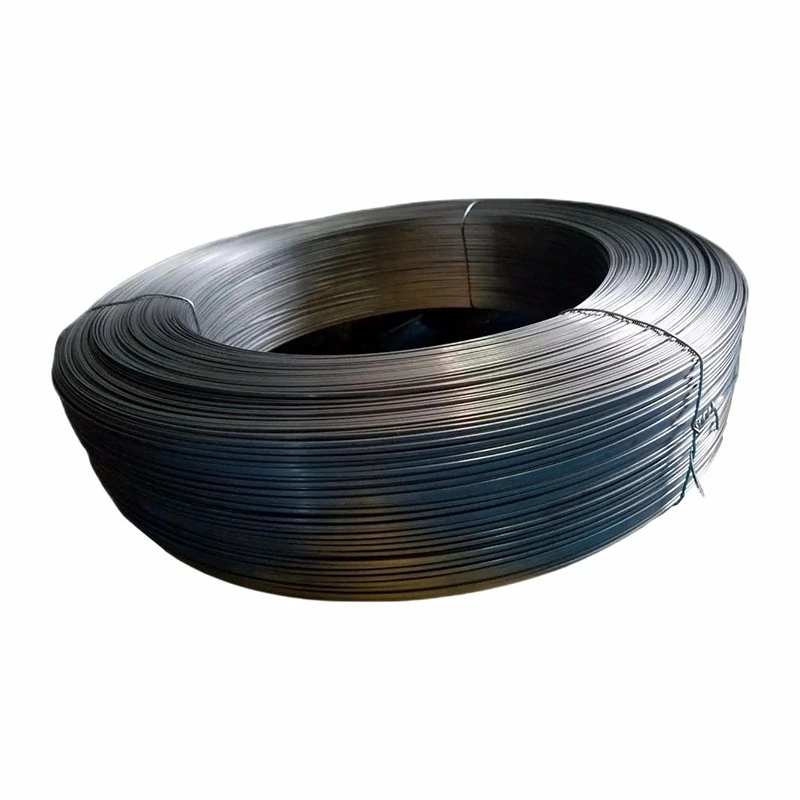
Hey there! I'm a supplier of Rectangular Steel Wire, and I've been in this business for quite a while. Today, I wanna chat about the limitations of using rectangular steel wire. It's not all sunshine and rainbows, you know. There are some things you gotta be aware of if you're thinking about using this type of wire.
1. Forming and Bending Challenges
One of the first limitations I've noticed is the difficulty in forming and bending rectangular steel wire. Unlike Round Steel Wire, which has a uniform cross - section and can be bent relatively easily in multiple directions, rectangular steel wire has a more complex shape.
The flat sides of the rectangular wire mean that when you try to bend it, there's a higher risk of deformation. For example, if you bend it at a sharp angle, the corners of the rectangle can crack or the flat surfaces might wrinkle. This is a real headache, especially when you're trying to create intricate shapes or components. In applications where precision bending is required, like in the manufacturing of small - scale mechanical parts, these issues can lead to a high rejection rate.
2. Surface Area and Corrosion
Rectangular steel wire has a larger surface area compared to round wire of the same cross - sectional area. This might not seem like a big deal at first, but it can have significant implications, especially when it comes to corrosion.
A larger surface area means more exposure to the environment. If the wire is used in outdoor applications or in a corrosive atmosphere, it will corrode faster than round wire. For instance, in coastal areas where the air is salty, the rectangular steel wire will start to rust more quickly. Even with proper coatings, the flat surfaces of the wire can trap moisture more easily, accelerating the corrosion process. This not only shortens the lifespan of the wire but also increases maintenance costs. You'll have to keep an eye on it and re - coat it more frequently to prevent severe damage.
3. Handling and Storage
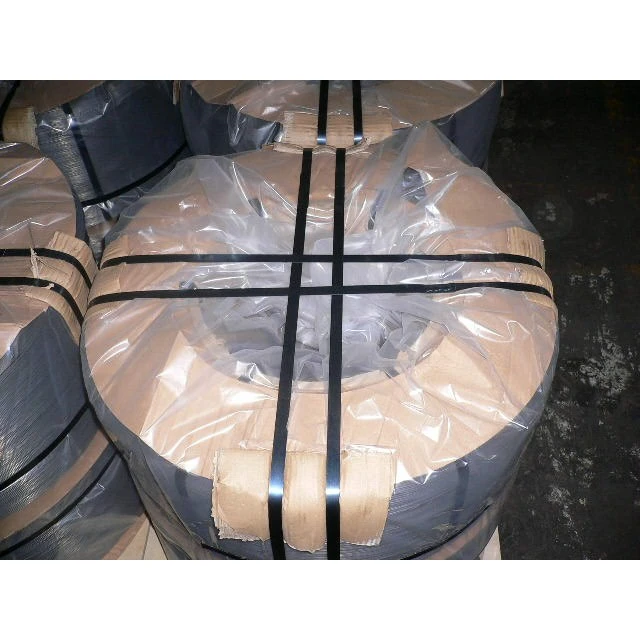
Handling rectangular steel wire can be a bit of a hassle. Its shape makes it less stackable and more difficult to coil compared to round wire. When you're trying to store it in a warehouse, you'll find that it takes up more space and is harder to organize.
During transportation, the sharp edges of the rectangular wire can also pose a risk. They can damage other items in the shipment or even injure the workers handling it. Special care needs to be taken during loading and unloading, which adds to the overall cost of logistics.
4. Welding and Joining
Welding rectangular steel wire is not as straightforward as welding round wire. The flat surfaces and corners of the rectangular wire can cause uneven heat distribution during the welding process. This can result in weak welds or even cracks in the wire near the weld area.
In addition, when joining multiple pieces of rectangular steel wire, it's more difficult to align them properly compared to round wire. The alignment is crucial for a strong and reliable joint. Any misalignment can lead to structural weaknesses in the final product. This is a major concern in applications where the integrity of the joints is critical, such as in the construction of steel frames.
5. Cost - Efficiency
When it comes to cost - efficiency, rectangular steel wire might not always be the best choice. The manufacturing process of rectangular steel wire is more complex than that of round wire. It requires additional steps to achieve the rectangular shape, which increases the production cost.
Moreover, due to the limitations I've mentioned earlier, such as the higher rejection rate during forming and the increased maintenance cost due to corrosion, the overall cost of using rectangular steel wire can be significantly higher. In some cases, you might be able to achieve the same functionality with round wire at a lower cost.
6. Compatibility with Existing Equipment
Many industries have existing equipment that is designed for round wire. If you switch to rectangular steel wire, you might face compatibility issues. The feeding mechanisms, guides, and other components of the machinery might not be suitable for the rectangular shape.
This means you'll either have to modify the existing equipment, which can be expensive and time - consuming, or invest in new equipment altogether. For small - to - medium - sized businesses, this can be a major deterrent.
Conclusion
So, as you can see, while rectangular steel wire has its uses, it also comes with a fair share of limitations. But don't get me wrong, it still has its place in the market. In some applications where the unique shape of the rectangular wire is essential, these limitations can be managed.
If you're considering using Rectangular Steel Wire for your project, I'd be more than happy to have a chat with you. I can help you understand how to work around these limitations and make the most of this type of wire. Whether you need advice on handling, coating, or choosing the right grade of wire, I'm here to assist. And if you're looking for high - quality Cold Rolled Flat Steel Wire Strips, I've got you covered too.
If you're interested in purchasing rectangular steel wire or have any questions, feel free to reach out. Let's have a discussion and see how we can make your project a success.
References
- Smith, J. (2020). "Comparative Analysis of Round and Rectangular Steel Wires in Industrial Applications". Journal of Metal Engineering.
- Brown, A. (2019). "Corrosion Resistance of Different Shaped Steel Wires". International Journal of Corrosion Science.
- Johnson, R. (2018). "Forming and Welding Challenges of Non - Round Steel Wires". Manufacturing Technology Review.