

What is the carbon content in stainless steel wire?
What is the carbon content in stainless steel wire?
As a seasoned supplier of stainless steel wire, I've encountered numerous inquiries regarding the carbon content in this versatile material. Understanding the role of carbon in stainless steel wire is crucial for various applications, from construction to manufacturing. In this blog post, I'll delve into the significance of carbon content, its impact on the properties of stainless steel wire, and how it relates to different types of stainless steel.
Carbon is one of the key elements in stainless steel, along with chromium, nickel, and other alloying elements. Its presence in stainless steel wire plays a vital role in determining the material's strength, hardness, and corrosion resistance. Generally, the carbon content in stainless steel wire ranges from 0.03% to 1.2%, depending on the specific grade and application requirements.
Low carbon stainless steel wire, typically containing less than 0.08% carbon, is known for its excellent corrosion resistance and weldability. This type of wire is commonly used in applications where corrosion protection is paramount, such as in the food and beverage industry, marine environments, and architectural structures. The low carbon content helps prevent the formation of chromium carbides, which can reduce the material's corrosion resistance.
On the other hand, high carbon stainless steel wire, with a carbon content ranging from 0.3% to 1.2%, offers increased strength and hardness. This makes it suitable for applications that require high tensile strength, such as springs, fasteners, and wire ropes. The higher carbon content also enhances the wire's wear resistance, making it ideal for use in abrasive environments.
The carbon content in stainless steel wire can also affect its heat treatment response. Low carbon stainless steel wire is typically annealed to improve its ductility and formability, while high carbon stainless steel wire may be quenched and tempered to achieve the desired strength and hardness. Heat treatment processes can significantly alter the microstructure of the wire, thereby enhancing its mechanical properties.
In addition to its impact on mechanical properties, the carbon content in stainless steel wire can also influence its cost. Generally, high carbon stainless steel wire is more expensive than low carbon wire due to its increased strength and hardness. However, the cost difference may be offset by the wire's longer service life and improved performance in certain applications.
When selecting stainless steel wire for a specific application, it's essential to consider the carbon content in conjunction with other factors, such as corrosion resistance, strength, and ductility. Our company offers a wide range of stainless steel wire grades with varying carbon contents to meet the diverse needs of our customers. Whether you require low carbon wire for corrosion-resistant applications or high carbon wire for high-strength applications, we have the expertise and resources to provide you with the right solution.
Alloy Steel Wire is another option to consider when looking for high-performance wire. Alloy steel wire contains additional alloying elements, such as manganese, silicon, and molybdenum, which can further enhance its mechanical properties. This type of wire is commonly used in applications that require superior strength, toughness, and wear resistance.
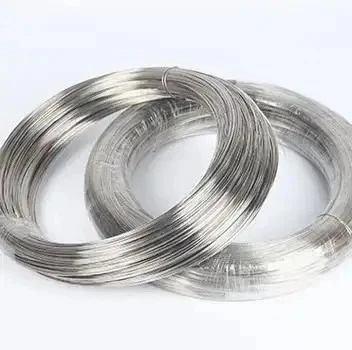
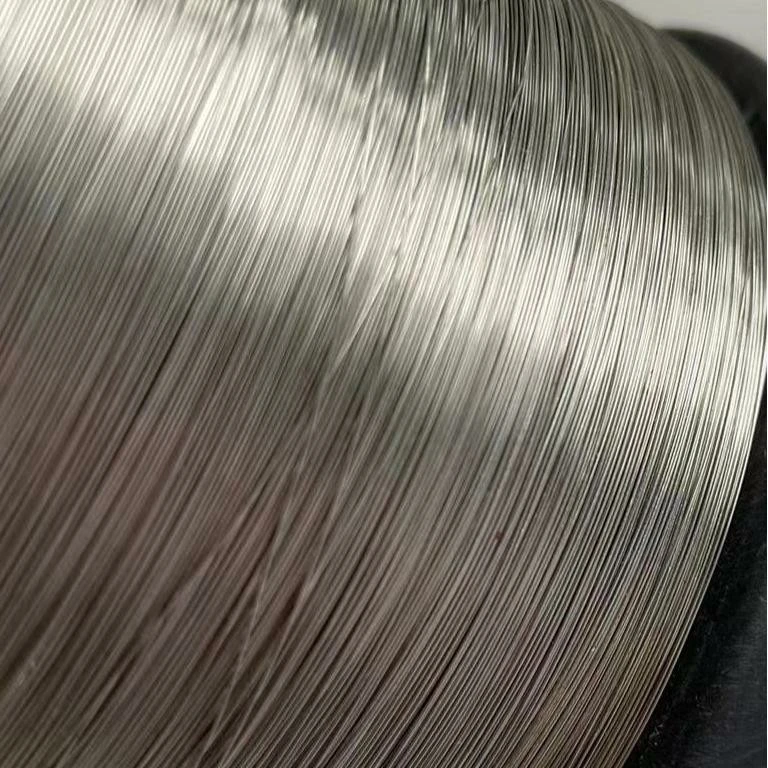
Cold Drawn Stainless Steel Wire is a popular choice for many applications due to its smooth surface finish, precise dimensions, and improved mechanical properties. Cold drawing is a process that involves pulling the wire through a series of dies to reduce its diameter and increase its strength. This results in a wire with a uniform cross-section and enhanced surface quality.
At our company, we understand the importance of providing high-quality stainless steel wire that meets the strictest industry standards. Our state-of-the-art manufacturing facilities and advanced quality control systems ensure that every wire we produce is of the highest quality. We also offer custom manufacturing services to meet the specific requirements of our customers, including wire drawing, annealing, and surface treatment.
If you're in the market for stainless steel wire or have any questions about carbon content or other aspects of stainless steel wire, please don't hesitate to contact us. Our team of experts is always ready to assist you in selecting the right wire for your application and providing you with the best possible solution. We look forward to the opportunity to work with you and help you achieve your goals.
References
- ASM Handbook Volume 1: Properties and Selection: Irons, Steels, and High-Performance Alloys
- Stainless Steel: A Primer by The Nickel Institute
- Metals Handbook Desk Edition, Third Edition