

How does the brass coating adhere to the steel wire?
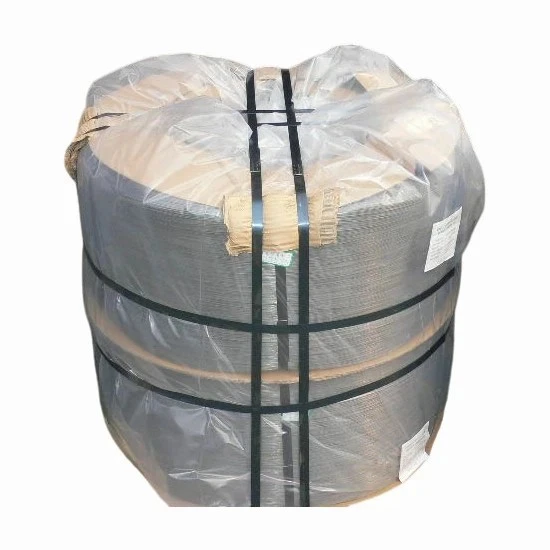
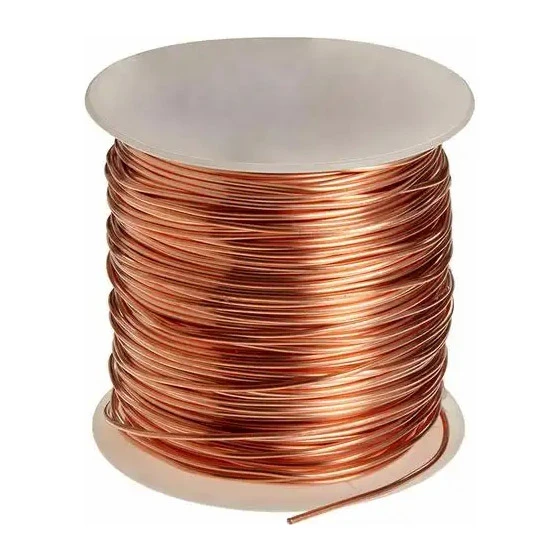
Hey there! As a supplier of Brass Coated Steel Wire, I often get asked about how the brass coating adheres to the steel wire. It's a fascinating process, and I'm excited to share it with you.
First off, let's talk about why brass coating is so popular. Brass, an alloy of copper and zinc, offers a bunch of benefits. It provides excellent corrosion resistance, which is super important for steel wires that are going to be exposed to the elements. Plus, it gives the wire a nice, shiny appearance, which can be aesthetically pleasing in many applications. And it also enhances the wire's solderability, making it easier to use in electrical and electronic applications.
So, how does the brass coating actually stick to the steel wire? Well, there are a few different methods, but the most common ones are electroplating and hot - dipping.
Electroplating Process
Let's start with electroplating. This is a pretty high - tech way of getting that brass coating on the steel wire. The process starts with a thorough cleaning of the steel wire. You see, if there's any dirt, grease, or rust on the wire, the brass coating won't adhere properly. So, we usually use a series of chemical baths to clean and prepare the surface.
Once the wire is clean, it's ready to go into the electroplating tank. This tank contains a solution of copper and zinc salts, which are the main components of brass. The steel wire acts as the cathode (the negatively charged electrode), and there are positively charged anodes made of either copper or a brass alloy in the tank.
When an electric current is applied, the positively charged copper and zinc ions in the solution are attracted to the negatively charged steel wire. They then deposit on the surface of the wire, forming a thin layer of brass. The thickness of the coating can be controlled by adjusting the current and the time the wire spends in the electroplating bath.
One of the great things about electroplating is that it allows for a very precise control of the coating thickness. We can make it as thin or as thick as the customer needs, depending on the application. For example, in some electrical applications, a very thin and uniform brass coating is required to ensure good conductivity.
Hot - dipping Process
Now, let's move on to the hot - dipping process. This method is a bit more old - school, but it's still widely used because it's relatively simple and cost - effective.
Just like with electroplating, the steel wire needs to be cleaned first. After that, it's pre - heated to a specific temperature. This pre - heating is important because it helps the brass to flow and adhere better to the wire.
The pre - heated wire is then dipped into a molten bath of brass. The temperature of this bath is carefully controlled to ensure that the brass has the right viscosity. When the wire is dipped, a layer of brass adheres to its surface. As the wire is pulled out of the bath, any excess brass drips off, leaving a smooth and even coating.
Hot - dipping can produce a thicker coating compared to electroplating. This makes it a great choice for applications where the wire will be exposed to harsh environments and needs extra protection. For example, in construction or outdoor fencing, a thick brass coating can provide long - lasting corrosion resistance.
Adhesion Mechanisms
But how exactly does the brass stick to the steel wire? There are a few adhesion mechanisms at play here.
One of the main mechanisms is mechanical bonding. When the brass is deposited on the steel wire, it fills in the tiny irregularities on the wire's surface. These irregularities act like little hooks, holding the brass coating in place. It's a bit like how glue sticks better to a rough surface than a smooth one.
Another important mechanism is diffusion. At the interface between the brass coating and the steel wire, some of the atoms from the brass and the steel diffuse into each other. This creates a transitional layer where the two materials mix, which strengthens the bond between them.
There's also a bit of chemical bonding going on. The copper and zinc in the brass can react with the iron in the steel to form intermetallic compounds. These compounds act as a sort of bridge between the brass coating and the steel wire, further enhancing the adhesion.
Applications of Brass Coated Steel Wire
Brass coated steel wire has a wide range of applications. In the automotive industry, it's used in tire reinforcement. The brass coating provides good adhesion to the rubber in the tire, which helps to keep the tire structure intact.
In the electrical and electronics industry, it's used for making connectors, springs, and other components. The brass coating not only provides good conductivity but also protects the wire from corrosion, which is crucial for the long - term performance of these components.
And let's not forget about the jewelry industry. Brass coated steel wire is often used to make chains, bracelets, and other decorative items. The shiny brass coating gives the wire an attractive appearance, and it can be easily shaped and worked with.
If you're interested in other types of coated steel wires, we also offer Hot Dipped Galvanized Steel Wire, Anti Oxidation Copper Coated Steel Wire, and Tin Plated Copper Steel Wire. Each of these wires has its own unique properties and applications, so feel free to check them out.
Contact Us for Your Needs
If you're in the market for high - quality brass coated steel wire or any of our other coated steel wires, we'd love to hear from you. Whether you're a small business looking for a specific quantity or a large corporation with ongoing requirements, we can provide the right solution for you. Just reach out to us, and we'll be happy to discuss your needs, answer any questions you might have, and give you a quote.
References
- Jones, A. (2018). "Surface Coating Technologies for Metals." Metal Press.
- Smith, B. (2019). "Electroplating: Principles and Applications." ElectroTech Publishing.
- Brown, C. (2020). "Hot - dipping Processes in the Metal Industry." Industrial Metals Journal.