

What are the quality control points in the oil tempering process of steel wire?
Hey there! As a supplier of Oil Tempered Steel Wire, I've had my fair share of experiences in the oil tempering process. It's a crucial step that determines the quality of the steel wire, and there are several quality control points that we need to keep an eye on. In this blog, I'll share some of the key quality control points in the oil tempering process of steel wire.
1. Raw Material Inspection
Before we even start the oil tempering process, we need to make sure that the raw material - the steel wire - meets our quality standards. This means checking its chemical composition, mechanical properties, and surface condition.
The chemical composition of the steel wire is super important. Different elements in the steel, like carbon, manganese, and silicon, can affect its strength, hardness, and ductility. We use advanced analytical equipment to test the chemical composition and ensure it falls within the specified range.
Mechanical properties such as tensile strength, yield strength, and elongation are also crucial. These properties determine how the steel wire will perform in various applications. We conduct tensile tests on samples of the raw steel wire to measure these properties.
The surface condition of the steel wire should be free from defects like cracks, scratches, and rust. Any surface defects can weaken the wire and lead to failure during the oil tempering process or in subsequent use. We visually inspect the wire and may also use non - destructive testing methods like magnetic particle inspection to detect any hidden surface flaws.
If you're interested in learning more about different types of steel wire, check out Patented Steel Wire, Phosphate Coating Steel Wire, and Black Annealed Tie Steel Wire.
2. Heating Process Control
The heating process is a critical part of the oil tempering process. We need to heat the steel wire to the right temperature and maintain that temperature for the appropriate amount of time.
The heating temperature depends on the type of steel wire and the desired properties. If the temperature is too low, the steel wire won't be fully austenitized, which can result in uneven hardness and poor mechanical properties. On the other hand, if the temperature is too high, the steel wire may become over - heated, leading to grain growth and reduced toughness.
We use temperature sensors and controllers to monitor and regulate the heating temperature. These sensors are placed at strategic points in the heating furnace to ensure accurate temperature measurement.
The heating time is also important. The steel wire needs to be heated for a sufficient time to allow for complete austenitization. However, if the heating time is too long, it can cause excessive oxidation and decarburization of the wire surface. We calculate the heating time based on the diameter of the steel wire, the heating rate, and the desired properties.
3. Quenching in Oil
Quenching the heated steel wire in oil is what gives it the desired hardness and strength. But there are several factors to control during this step.
The type of quenching oil is crucial. Different quenching oils have different cooling rates, which can affect the final properties of the steel wire. We choose the right quenching oil based on the type of steel wire and the desired hardness.
The temperature of the quenching oil also needs to be controlled. If the oil temperature is too high, the cooling rate will be too slow, and the steel wire may not harden properly. If the oil temperature is too low, it can cause excessive stress in the wire, leading to cracking. We use heaters and coolers to maintain the quenching oil at the optimal temperature.
The agitation of the quenching oil is another important factor. Agitation helps to ensure uniform cooling of the steel wire. Without proper agitation, some parts of the wire may cool faster than others, resulting in uneven hardness and internal stress. We use pumps or mechanical agitators to stir the quenching oil during the quenching process.
4. Tempering Process
After quenching, the steel wire is usually too hard and brittle. The tempering process is used to reduce the brittleness and improve the toughness of the wire.
The tempering temperature is carefully selected based on the desired combination of hardness and toughness. A lower tempering temperature will result in higher hardness but lower toughness, while a higher tempering temperature will reduce hardness and increase toughness.
The tempering time is also critical. Sufficient time is needed for the internal stresses in the steel wire to be relieved and for the desired microstructural changes to occur. We use temperature - time charts and experience to determine the appropriate tempering time.
5. Post - Treatment Inspection
Once the oil tempering process is complete, we conduct a series of inspections to ensure the quality of the finished steel wire.
We check the hardness of the steel wire using hardness testing methods such as Rockwell or Brinell hardness tests. The hardness should be within the specified range for the intended application.
The surface finish of the steel wire is also inspected. It should be smooth and free from any signs of cracking, scaling, or other defects. We may use surface roughness measuring instruments to check the smoothness of the wire surface.
We also conduct tensile tests again on samples of the finished steel wire to verify its mechanical properties. The tensile strength, yield strength, and elongation should meet the required standards.
6. Dimensional Accuracy
The dimensional accuracy of the steel wire is important, especially for applications where precise fit is required. We measure the diameter, length, and straightness of the steel wire.
The diameter of the steel wire should be within the specified tolerance. Even a small deviation in diameter can affect the performance of the wire in some applications. We use precision measuring tools like micrometers to measure the diameter of the wire at multiple points along its length.
The length of the steel wire should also be accurate. We use length - measuring devices to ensure that the wire meets the customer's length requirements.
The straightness of the steel wire is crucial, especially for applications where the wire needs to be fed through machinery. We use straightness measuring equipment to check if the wire is straight within the acceptable limits.
7. Packaging and Storage
Proper packaging and storage are also important quality control points. The steel wire should be packaged in a way that protects it from damage during transportation and storage.
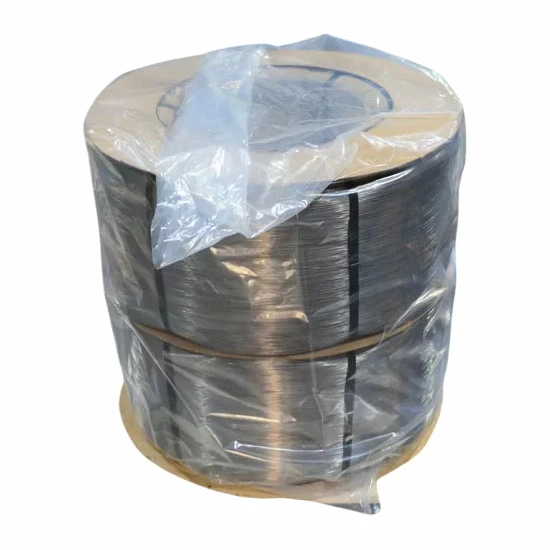
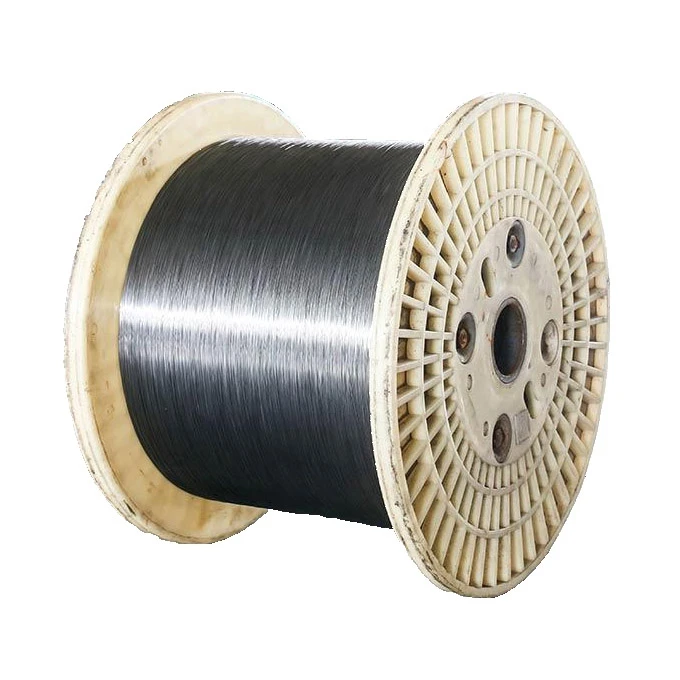
We use appropriate packaging materials such as plastic wraps, paper, or wooden spools. The packaging should prevent moisture, dust, and other contaminants from reaching the steel wire.
During storage, the steel wire should be kept in a dry and clean environment. High humidity can cause rusting, which can damage the wire. We store the wire in a warehouse with controlled temperature and humidity conditions.
In conclusion, the oil tempering process of steel wire involves several quality control points, from raw material inspection to packaging and storage. By carefully controlling each of these points, we can ensure that the finished steel wire meets the highest quality standards.
If you're in the market for high - quality Oil Tempered Steel Wire, don't hesitate to reach out for a procurement discussion. We're committed to providing you with the best products and services.
References
- ASM Handbook Volume 4: Heat Treating. ASM International.
- Steel Heat Treatment: Metallurgy and Technologies. Leonardus H. Smit.
- Heat Treatment Principles and Techniques. Robert L. Boyer.