

What is the abrasion resistance of steel wire?
Hey there! As a steel wire supplier, I often get asked about the abrasion resistance of steel wire. It's a crucial factor, especially when you're looking for wires that can stand up to tough conditions. So, let's dig into what abrasion resistance of steel wire really means and why it matters.
What is Abrasion Resistance?
Abrasion resistance refers to a material's ability to withstand wear and tear caused by friction. When steel wire is used in various applications, it often comes into contact with other surfaces. This contact can lead to abrasion, which gradually wears away the wire over time. Think of it like sandpaper rubbing against a surface; the more friction there is, the more the surface gets worn down.
For steel wire, good abrasion resistance means it can maintain its integrity and performance even when exposed to rough or abrasive environments. This is super important because if a wire loses its abrasion resistance, it can break or fail, leading to safety hazards and costly replacements.
Factors Affecting Abrasion Resistance
1. Material Composition
The type of steel used in the wire plays a huge role in its abrasion resistance. Different steel alloys have different properties. For example, steels with higher carbon content tend to be harder and more wear - resistant. Alloying elements like chromium, nickel, and manganese can also enhance the abrasion resistance of steel wire. These elements form hard carbides and other compounds within the steel structure, making it more resistant to abrasion.
2. Heat Treatment
Heat treatment is another key factor. Processes like quenching and tempering can change the microstructure of the steel wire, making it harder and more resistant to abrasion. Quenching involves rapidly cooling the steel from a high temperature, which creates a hard martensitic structure. Tempering then follows to relieve internal stresses and improve the toughness of the wire while still maintaining a high level of hardness.
3. Surface Finish
The surface finish of the steel wire can significantly affect its abrasion resistance. A smooth surface has less friction when in contact with other materials, reducing the likelihood of abrasion. Coatings can also be applied to the wire to improve its abrasion resistance. For example, a zinc coating not only provides corrosion protection but also reduces friction and wear.
Applications and Abrasion Resistance
1. Flexible Duct Wire
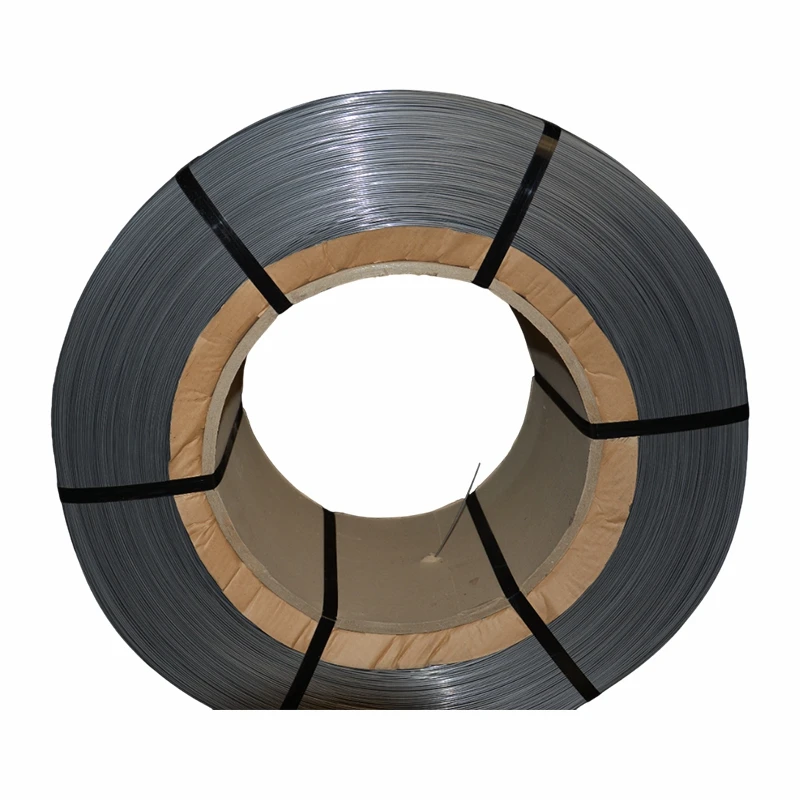
Flexible Duct Wire is used in HVAC systems and other ventilation applications. In these environments, the wire is often bent and flexed repeatedly, and it may come into contact with various surfaces inside the ducts. Good abrasion resistance is essential to ensure that the wire doesn't break or wear out prematurely. A wire with high abrasion resistance will last longer, reducing the need for frequent replacements and maintenance.
2. Cold Drawn Spring Wire Rods
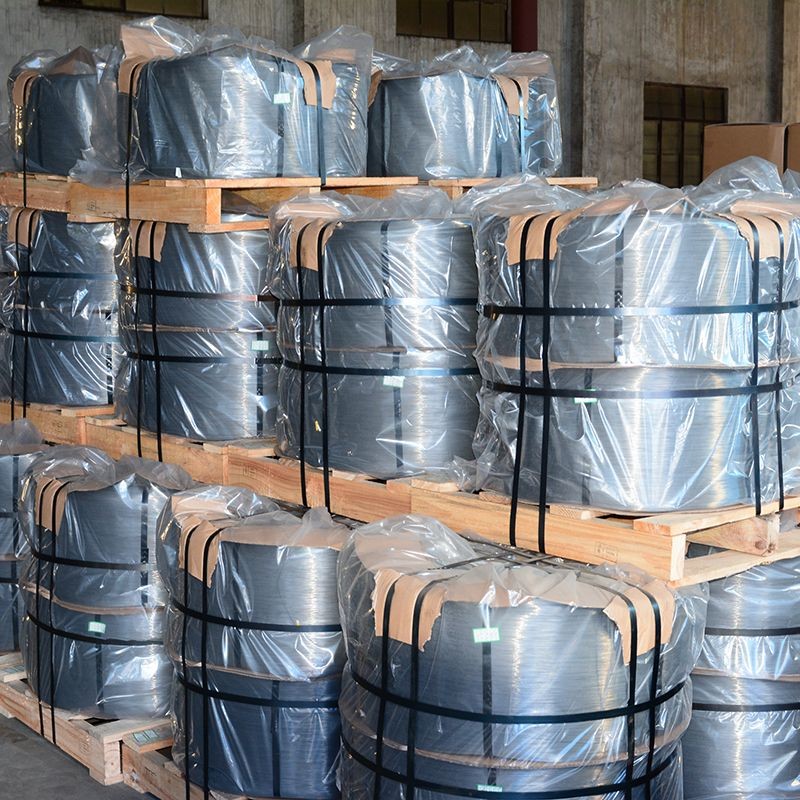
Cold Drawn Spring Wire Rods are used in springs for a wide range of applications, from automotive to industrial machinery. Springs are constantly under stress and are subject to repeated compression and extension. During this process, the wire rubs against other components, causing abrasion. If the wire doesn't have good abrasion resistance, the springs can lose their elasticity and eventually fail. High - quality cold - drawn spring wire rods with excellent abrasion resistance ensure that the springs perform reliably over a long period.
3. Steel Wire for Optical Fibre Cable
Steel Wire for Optical Fibre Cable is used to provide mechanical protection to the delicate optical fibers inside the cable. The wire is often installed in harsh environments, such as underground or in outdoor areas where it may be exposed to rocks, soil, and other abrasive materials. Abrasion resistance is crucial to prevent the wire from being damaged, which could lead to the exposure and damage of the optical fibers. A wire with good abrasion resistance helps to ensure the long - term reliability of the optical fiber cable.
Testing Abrasion Resistance
There are several methods to test the abrasion resistance of steel wire. One common method is the pin - on - disk test. In this test, a pin made of the steel wire is pressed against a rotating disk made of an abrasive material. The amount of wear on the pin is measured after a certain number of rotations. Another method is the sand abrasion test, where the wire is exposed to a stream of sand particles. The weight loss of the wire after a specific time is measured to determine its abrasion resistance.
Why Choose Our Steel Wire for Abrasion Resistance?
As a steel wire supplier, we take pride in offering high - quality steel wires with excellent abrasion resistance. We carefully select the steel alloys and use advanced manufacturing processes to ensure that our wires meet the highest standards. Our heat treatment processes are precisely controlled to optimize the hardness and toughness of the wire, providing superior abrasion resistance.
We also offer a variety of surface finishes and coatings to further enhance the abrasion resistance of our wires. Whether you need Flexible Duct Wire, Cold Drawn Spring Wire Rods, or Steel Wire for Optical Fibre Cable, we have the right solution for you.
Contact Us for Your Steel Wire Needs
If you're in the market for steel wire with high abrasion resistance, we'd love to hear from you. Whether you have a specific project in mind or just want to learn more about our products, don't hesitate to reach out. We're here to help you find the perfect steel wire for your application. Contact us today to start a discussion about your requirements and let's work together to get you the best steel wire solution.
References
-ASM Handbook, Volume 3: Alloy Phase Diagrams. ASM International.
- Metals Handbook: Properties and Selection: Irons, Steels, and High - Performance Alloys. ASM International.